
What Is Red Light Therapy? A Complete Guide
Red light therapy uses specific wavelengths of red and near-infrared light emitted from devices designed for home wellness use. It's also called photobiomodulation (PBM), which refers to the use of light in these wavelength ranges.
Red light therapy devices are non-invasive. You position yourself near a device that emits red or near-infrared light. These devices have become increasingly popular for home wellness routines because they are non-invasive and fit easily into daily schedules.
In this article
How Red Light Therapy Devices Work
Red light therapy devices emit wavelengths typically between 600 and 1,000 nanometers that are designed to reach cells beneath the skin surface.
When light from these devices reaches your cells, it interacts with cellular structures. The specific mechanisms of action and the extent of any cellular response depend on the wavelength, power output, and duration of use as specified by the device manufacturer.
Wavelength selection matters in device design. Red light (around 660 nanometers) is visible and is designed for use on facial and surface areas. Near-infrared light (around 850 nanometers) is invisible and is designed to reach deeper tissue layers. Different devices are engineered for different body areas based on these wavelength properties.
Red Light Therapy Devices: Types and Options
Red light therapy devices come in many formats, from small handheld devices to full-body panels. Prime Regeneration carries several options designed for home wellness spaces.

Full-body mats are designed to cover large body areas. The Nicebeam Full Body Red Light Therapy Mat delivers 660nm and 850nm wavelengths across your entire body, making it suitable for covering multiple areas in a single session.
Targeted wearables are designed for specific body areas. The Nicebeam Red Light Therapy Knee Pad is a flexible, hands-free device for joint areas. Similarly, the Nicebeam Red Light Therapy Strap is designed for neck and joint areas with dual wavelengths (660nm and 850nm).
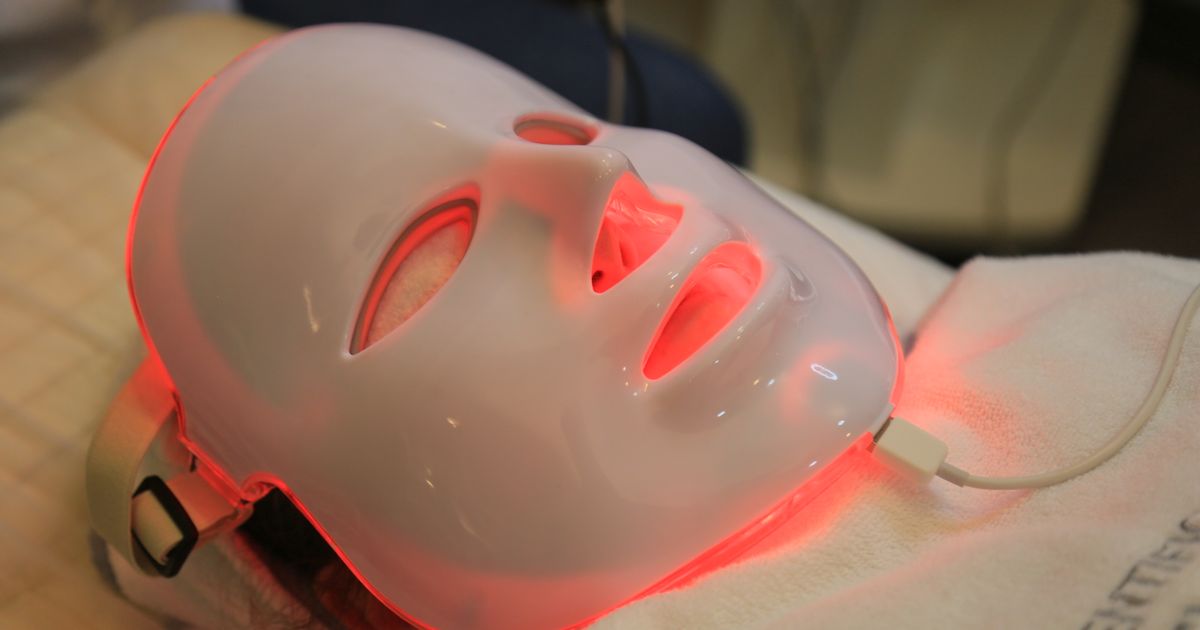
Face masks are designed for facial coverage. The Lumara VISO Red Light Therapy Mask uses 660nm wavelengths designed for facial areas.
Scalp-specific devices are designed for scalp coverage. The Nicebeam Red Light Therapy Hat is wearable and hands-free, delivering both red and near-infrared light to your scalp.
Portable lamps offer flexibility in positioning. The Nicebeam Sleep Recovery Lamp features an adjustable stand for positioning in different locations and for different body areas.
Panel-style devices like the Lumara Illuminate V2 Red Light Therapy Panel are stationary devices delivering 660nm wavelengths for dedicated wellness spaces.
Wavelength Differences: 660nm vs. 850nm

Red light therapy devices commonly feature two wavelengths: 660nm and 850nm. Understanding these specifications helps you choose a device designed for your intended use area.
660nm (red light): This wavelength is visible to your eyes (appears red) and is designed for facial and surface applications. Most face masks and facial devices use 660nm.
850nm (near-infrared): This wavelength is invisible to your eyes and is designed to reach deeper tissue layers. It is commonly used in wearable pads and full-body devices for coverage of larger body areas. Many devices combine both wavelengths.
Many Prime Regeneration red light devices feature 660nm + 850nm combinations, providing options for both surface and deeper tissue coverage in one device.
Using Red Light Therapy Devices
Red light therapy devices are designed for regular use as part of a wellness routine.
Start with manufacturer guidelines. Begin with the session duration and frequency recommended in your device's manual. Most devices recommend 10-15 minute sessions.
Build a routine. The device you will actually use consistently is the best choice. If a Nicebeam Sleep Recovery Lamp sits on your nightstand, you are more likely to use it regularly than a device stored away.
Follow distance and positioning guidelines. Most devices work best at specific distances from your skin. Check your device's manual for the recommended distance, as different products have different specifications.
Use consistently. Regular use over time is more important than occasional longer sessions. Most users follow a consistent schedule rather than sporadic use.
Combine with other wellness habits. Red light therapy devices work best as part of a broader wellness routine that may include sleep, hydration, sun protection, and skincare.
Red Light Therapy Devices vs. Other Options
Red light therapy devices are non-invasive tools that fit into a wellness routine. They differ from other approaches in their mechanism and application method.
Unlike chemical peels or laser treatments, red light therapy devices do not involve downtime or recovery periods. They are designed for regular home use.
Red light therapy devices work through a different mechanism than topical products like retinoids or vitamin C serums. Many people use both types of products as part of their wellness routine.
Red light therapy devices are separate wellness tools. Each device should be used according to its manufacturer's instructions.
Choosing a Red Light Therapy Device

Choosing a red light therapy device depends on your intended use area and budget. Devices range from under $100 to several thousand dollars depending on size and specifications.
Red light therapy devices are wellness tools designed for home use. They are not medical devices and should not replace professional medical diagnosis or treatment.
Device quality varies. Reputable brands provide specifications for wavelength and power output. Review the manufacturer's specifications and warranty information when comparing devices.
Important Safety Information
Red light therapy devices are wellness tools, not medical devices. This content is educational only and does not constitute medical advice.
Do not use red light therapy devices as a replacement for professional medical diagnosis or treatment. If you have a medical condition, are pregnant, or are taking medications, consult your healthcare provider before using a red light therapy device.
Red light therapy devices are not intended to diagnose, treat, cure, prevent, or reverse any medical condition.
Always follow the manufacturer's instructions supplied with your specific device for safe use, including recommended distance, duration, and frequency. For questions about eye safety, skin suitability, or medical conditions, refer to your device's instructions and consult a qualified healthcare professional such as a dermatologist.
Individual responses to red light therapy devices vary and results are not guaranteed.
What wavelengths do red light therapy devices use?
How often should I use a red light therapy device?
Can I use a red light therapy device every day?
Follow your device manufacturer's guidelines for frequency of use. Refer to your device's instructions for recommended daily use and any precautions. If you have questions about suitability for daily use, consult the manufacturer's instructions or contact their customer support.
Are red light therapy devices backed by research?
Red light therapy is an area of ongoing research. Device specifications and manufacturer instructions are based on the design and intended use of each product. For information about the research supporting red light therapy, consult scientific literature and your healthcare provider. Red light therapy devices are wellness tools and are not intended to diagnose, treat, cure, prevent, or reverse any medical condition.

,%20whi...)