Hot Cold Contrast Therapy: The Ultimate Home Recovery Guide

If you've heard about hot cold contrast therapy and thought it sounded like some fancy spa trend, you're not entirely wrong. But here's the thing: it's actually backed by real physiology, and once you understand how it works, you'll see why affluent homeowners are installing dedicated recovery spaces around it.
Related: Best Home Contrast Therapy Systems for 2026
Related: Contrast Therapy for Athletes: Science-Backed Recovery Guide
For homeowners who want to bring recovery-focused wellness into their own space, hot and cold contrast therapy is one of the most practical places to start.
Let's break down what's actually happening in your body when you alternate between heat and cold, and then talk about how to make it part of your home wellness routine without overthinking it.
In this article
What Is Hot Cold Contrast Therapy, Anyway?
Hot cold contrast therapy is basically controlled temperature switching. You expose your body to heat, then immediately switch to cold, then heat again, and repeat. That's it. Simple concept, but the physiological response is where things get interesting.
The real magic happens through what's called the vascular pumping effect. When you expose your skin to heat, your blood vessels dilate (get wider). When you switch to cold, they constrict (get narrower). This on-off cycle acts like a pump, pushing blood through your tissues and supporting natural circulation patterns.
Your nervous system also responds to these temperature changes. The contrast between hot and cold triggers adaptations that, over time, can help your body become more resilient to stress and temperature shifts.
The Science Behind the Pumping Effect
Here's why this matters for recovery and well-being. When you apply heat first, your blood vessels open up. This phase typically lasts 3 to 4 minutes and allows blood to flow more freely through the area.
Then you flip to cold. Your vessels constrict. This phase is shorter, usually around 1 minute or as long as you can tolerate it. The rapid switch from dilation to constriction creates that pumping action, moving blood and supporting your body's natural inflammatory response cycle.
Repeat this cycle 3 to 4 times over about 20 minutes, and you've completed a solid contrast therapy session. This is one reason contrast therapy has become popular in wellness centers and home recovery spaces, especially for people looking for a more structured way to support relaxation and post-activity recovery.
The Practical Benefits for Home Wellness
Circulation and Temperature Response
Alternating heat and cold creates a noticeable temperature response in the body, which is one reason many people describe contrast therapy as invigorating. Heat encourages warmth and surface circulation, while cold creates a tightening, refreshing sensation.
For healthy adults, this can be part of a wellness-focused recovery routine. Anyone with heart concerns, blood pressure issues, circulation problems, diabetes, or other medical conditions should speak with a healthcare professional before using cold plunge or contrast therapy.
Mobility and Joint Support
Heat can create a relaxed, loosened-up feeling in muscles and joints, while cold can feel refreshing after activity. Together, the contrast can support a more intentional post-activity recovery routine.
If you work out, hike, play sports, or spend long days on your feet, this type of routine may help you feel more refreshed and recovered as part of your overall wellness habits.
Skin Feel and Refreshing Effects
Hot and cold exposure may temporarily affect how the skin looks and feels by changing surface circulation and temperature response. Heat can create a flushed, warmed feeling, while cold may leave the skin feeling tighter and refreshed.
For many people, this is one of the reasons contrast therapy feels like a spa-level wellness ritual at home.
The Right Protocol for Your Home Setup

Important Safety Note
Hot and cold contrast therapy is not appropriate for everyone. Cold exposure can place stress on the cardiovascular system and may not be suitable for people with heart conditions, high blood pressure, diabetes, poor circulation, neuropathy, pregnancy, or other medical concerns.
Start gradually, avoid extreme temperatures at first, and consult a healthcare professional if you are unsure whether contrast therapy is safe for you.
Temperature and Duration Matter
A balanced contrast therapy session follows a specific rhythm. Start with hot water at a comfortable temperature (around 104-110°F, depending on your tolerance). Stay in the heat for 3 to 4 minutes.
Switch immediately to cold water (around 50-60°F or as cold as you can handle). This phase lasts about 1 minute. You might start with less time if you're new to cold exposure. That's fine. Work up to it.
Complete 3 to 4 full cycles. Your total session is roughly 20 to 25 minutes, with about 60 minutes of recovery time afterward if you're doing this as a dedicated wellness practice.
Sequencing Is Key
Many contrast therapy routines begin with heat, especially when the goal is a relaxing sauna-to-plunge experience. Starting with heat allows the body to warm up before the cold phase.
A simple home-friendly sequence is: heat, cold, heat, cold, heat, cold, heat. Some people may follow different routines based on personal preference, training goals, or professional guidance, but a heat-first approach is an approachable starting point for most home wellness routines.
Home Setup Options for Contrast Therapy
If you're serious about making contrast therapy a regular part of your wellness routine, you have a few options for your home space.
Sauna Plus Cold Plunge
This is the gold standard for residential contrast therapy. A traditional or infrared sauna gets you into the heat phase. A dedicated cold plunge handles the cold exposure. You move between the two, controlled and deliberate.
For a home setup, Prime Regeneration can help you compare sauna, cold plunge, steam, and recovery products in one place. As an authorized retailer for select wellness brands, Prime Regeneration offers premium home recovery products with manufacturer warranty coverage, U.S.-based support, and product guidance to help you choose the right setup for your space.
Steam Shower Plus Cold Shower
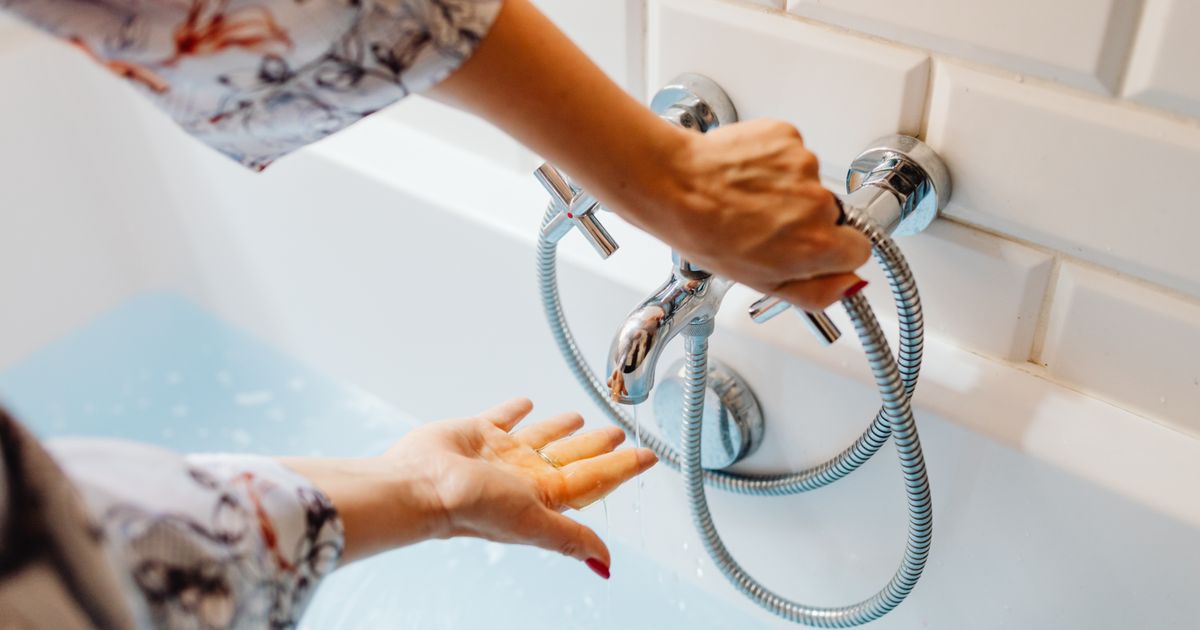
If dedicated sauna and plunge space isn't realistic, a steam shower for the heat phase and a cold shower for the cold phase works. It's less immersive than a full sauna-to-plunge setup, but it's functional.
You'll need better temperature control than a standard shower offers. This is where luxury steam shower systems come in. They allow precise temperature management, which is important for an effective protocol.
Red Light Therapy for a Layered Wellness Routine
Some homeowners choose to add red light therapy to their post-contrast routine as part of a broader recovery and self-care space. While it is not required for contrast therapy, it can complement a luxury wellness room alongside a sauna, cold plunge, massage chair, or relaxation area.
This type of setup is especially popular for people who want one dedicated space for relaxation, recovery, and everyday wellness routines.
Things to Keep in Mind
Not everyone should jump into extreme cold exposure right away. If you're new to contrast therapy, start with milder temperature differences and shorter cold phases. Build tolerance gradually.
Certain health conditions warrant caution or consultation with a healthcare provider. If you have cardiovascular concerns, uncontrolled blood pressure, or other health considerations, get cleared before starting a regular contrast therapy practice.
Individual experiences vary widely. What feels amazing to one person might feel uncomfortable to another. There's no "right" way to feel during or after contrast therapy. Listen to your body.
Consistency matters more than intensity. A moderate contrast protocol done 2 to 3 times per week will serve you better than occasional extreme sessions.
Designing Your Luxury Recovery Space
If you're building a dedicated wellness area in your home, contrast therapy can be the centerpiece. Pair your sauna or steam shower with a cold plunge, add comfortable lounging for recovery, maybe include red light therapy, and you've created a genuinely useful recovery environment.
It's not just about luxury. It's about creating space in your home where recovery actually happens. Prime Regeneration specializes in exactly this, helping homeowners and designers think through the full recovery experience, not just individual pieces of equipment.
Their team understands sizing, placement, electrical requirements, warranty coverage, and the whole installation picture. If you're serious about making contrast therapy a sustainable part of your wellness life, talking to an expert makes the process straightforward.
FAQs About Hot Cold Contrast Therapy
How long does a typical contrast therapy session take?
A full session is typically 20 to 25 minutes of active contrast exposure, plus 60 minutes of recovery time afterward if you're treating it as a dedicated wellness practice. The actual hot-cold cycling takes about 20 minutes when you do 3 to 4 full rounds.
Can I do contrast therapy every day?
Most people do best with 2 to 3 sessions per week. Your nervous system needs recovery time between sessions. Daily exposure isn't necessary and might reduce the adaptive benefits. Start conservatively and listen to how your body responds.
What temperature should I use for the cold phase?
Around 50-60°F is typical, but you can start warmer if you're new to cold exposure. The key is creating enough contrast with the heat phase. If your cold plunge or shower can't reach below 60°F, even that's beneficial. Work with what you have and progress gradually.
Do I need both a sauna and cold plunge, or can I use hot and cold showers?
You can use hot and cold showers, but a sauna and dedicated cold plunge give you more immersion and better temperature control. If you're building a home recovery space specifically for contrast therapy, a sauna-to-plunge setup is worth the investment for consistency and comfort.