Red Light Therapy Safety Guide: Risks, Precautions, and At-Home Use Tips

In this article
- Key Takeaways
- Red light therapy uses red and near-infrared wavelengths, which are different from ultraviolet light.Related: Does Red Light Therapy Work? The Honest TruthMost at-home red light therapy devices are designed for short, controlled sessions and should be used according to the manufacturer’s instructions.The most common safety concerns include eye exposure, temporary skin redness or irritation, overuse, device quality, and use with photosensitizing medications.People who are pregnant, taking photosensitizing medications, managing eye conditions, dealing with active skin concerns, or who have a history of cancer, thyroid concerns, or other medical conditions should speak with a healthcare professional before starting red light therapy.Long-term safety research is still developing, so red light therapy should be presented as a wellness and self-care option, not as a guaranteed treatment, cure, or medical solution.Related: Best Light Therapy for Home Wellness in 2026
- Section 1: Red Light Therapy Safety Overview
- Section 2: Why Long-Term Safety Still Matters
- Section 3: Possible Red Light Therapy Side Effects
- Section 4: Red Light Therapy vs. UV Light
- Section 5: Who Should Use Extra Caution?
- Section 7: Practical Safety Tops for At-Home Red Light Therapy
- Section 8: Final Thoughts on Red Light Therapy Saftey
- FAQ: Red Light Therapy Safety Questions
Key Takeaways
Red light therapy uses red and near-infrared wavelengths, which are different from ultraviolet light.
Related: Does Red Light Therapy Work? The Honest Truth
Most at-home red light therapy devices are designed for short, controlled sessions and should be used according to the manufacturer’s instructions.
The most common safety concerns include eye exposure, temporary skin redness or irritation, overuse, device quality, and use with photosensitizing medications.
People who are pregnant, taking photosensitizing medications, managing eye conditions, dealing with active skin concerns, or who have a history of cancer, thyroid concerns, or other medical conditions should speak with a healthcare professional before starting red light therapy.
Long-term safety research is still developing, so red light therapy should be presented as a wellness and self-care option, not as a guaranteed treatment, cure, or medical solution.
Executive Summary: Red Light Therapy Safety for At-Home Use
Red light therapy has become a popular wellness option for home recovery rooms, beauty routines, and relaxation spaces. Many people are drawn to it because it is non-invasive, easy to use at home, and often paired with other wellness products such as saunas, cold plunges, massage chairs, and recovery tools.
That said, red light therapy should still be used thoughtfully. Device quality, session length, eye protection, skin sensitivity, medications, and personal health history all matter. At-home users should follow manufacturer instructions, avoid excessive exposure, and speak with a healthcare professional if they have medical concerns.
This guide explains common red light therapy safety considerations, possible risks, and practical tips for using at-home devices more responsibly.
Section 1: Red Light Therapy Safety Overview
Red light therapy uses red and near-infrared light, which is different from ultraviolet light. UV light is associated with tanning, sunburn, and DNA damage concerns. Red light therapy does not work the same way as UV exposure, which is why it is commonly used in wellness, beauty, and recovery routines.
However, “different from UV” does not mean “risk-free.” At-home users still need to pay attention to session length, device intensity, eye protection, skin sensitivity, and personal health factors. The safest approach is to use red light therapy according to the device manual and avoid pushing beyond the recommended treatment time.
For homeowners creating a recovery or self-care space, red light therapy can be part of a broader wellness routine when used responsibly.
Section 2: Why Long-Term Safety Still Matters
Red light therapy is widely used, but long-term at-home use is still an area where consumers should be thoughtful. Many people use red light therapy devices regularly over months or years, so it is important to follow manufacturer guidance and avoid overuse.
For most wellness users, the goal should be consistency, comfort, and responsible use — not maximum intensity. If you are unsure whether red light therapy is appropriate for you, especially because of medications or medical history, ask a healthcare professional before starting.
Section 3: Possible Red Light Therapy Side Effects
Most red light therapy safety concerns are connected to how the device is used. Using a device too close to the skin, extending sessions beyond the recommended time, skipping eye protection when recommended, or using a device while taking photosensitizing medications may increase the chance of discomfort.
Possible side effects may include temporary eye discomfort, headache, warmth, skin redness, irritation, or sensitivity. These effects may be associated with overuse, excessive intensity, or individual sensitivity.
Photosensitizing medications are especially important to consider. Some antibiotics, acne medications, anti-inflammatory medications, and other prescriptions may increase light sensitivity. If you take medication or have a medical condition, check with a healthcare professional before using red light therapy.
Section 4: Red Light Therapy vs. UV Light
Red light therapy is different from UV light. UV light is associated with tanning, sunburn, and DNA damage concerns, while red and near-infrared light are used differently in wellness and photobiomodulation devices.
That difference matters, but it does not mean red light therapy should be used without limits. Device intensity, session length, eye protection, skin sensitivity, medications, and individual health history all matter.
For at-home users, the safest approach is to follow the device instructions, avoid excessive exposure, and use proper eye protection when recommended by the manufacturer.
Section 5: Who Should Use Extra Caution?
Red light therapy may not be appropriate for everyone. People who are pregnant, taking photosensitizing medications, managing active skin conditions, dealing with eye sensitivity, or who have a history of cancer, thyroid concerns, or other medical conditions should speak with a healthcare professional before use.
This is especially important when using high-output panels, full-body devices, or red light therapy near sensitive areas such as the eyes, neck, or face.
If you are unsure whether red light therapy is right for you, start by reviewing the device manual and asking a qualified healthcare professional for guidance.
Section 6: Device Quality Matters
Not all red light therapy devices are built the same. At-home devices can vary by wavelength, power output, treatment area, session guidance, eye protection recommendations, and safety features.
For home wellness spaces, it is best to choose products from reputable manufacturers, follow the device manual, avoid excessive session times, and use proper eye protection when recommended.
Buying through an authorized retailer can also help ensure warranty support, product guidance, and access to manufacturer instructions.
Section 7: Practical Safety Tops for At-Home Red Light Therapy
For at-home red light therapy, simple safety habits matter. Always read the device manual before use, follow the recommended session time, and avoid increasing intensity or duration too quickly.
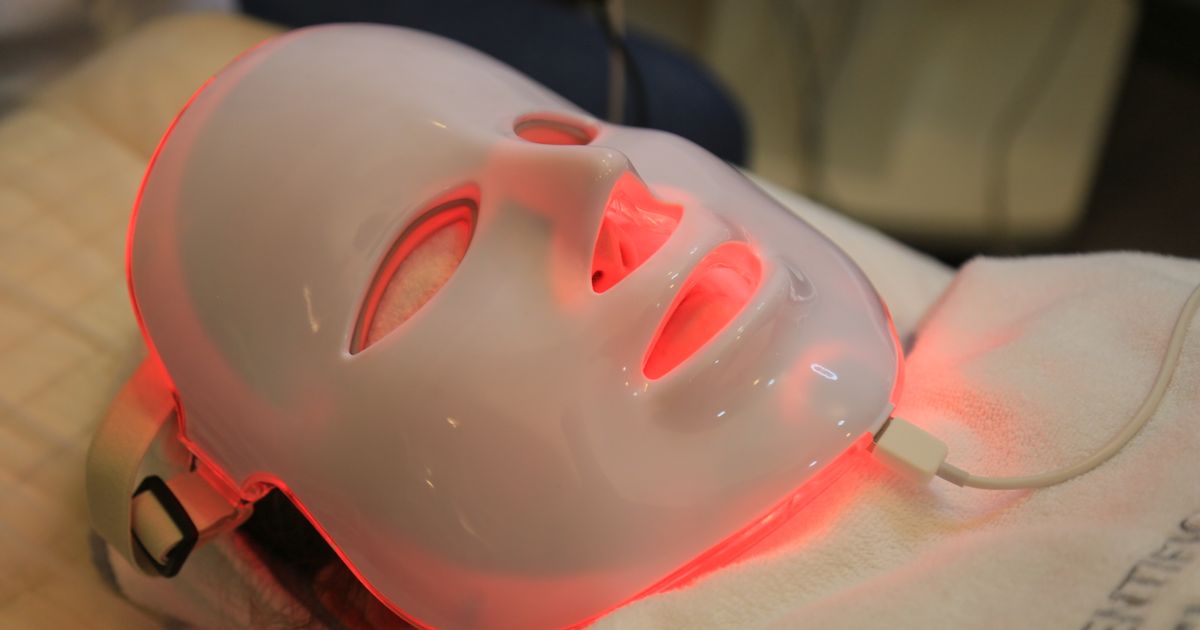
Use eye protection when recommended by the manufacturer, especially with panels or devices positioned near the face. Avoid staring directly into the lights.
If your skin feels irritated, overly warm, or uncomfortable, stop the session and allow your skin to return to normal before using the device again. Red light therapy should feel manageable and comfortable, not extreme.
If you take medications, have a medical condition, are pregnant, or have concerns about light sensitivity, speak with a healthcare professional before starting a red light therapy routine.
Section 8: Final Thoughts on Red Light Therapy Saftey
Red light therapy can be a useful addition to a home wellness routine when used responsibly. The most important safety steps are simple: choose a reputable device, follow the manufacturer’s instructions, avoid excessive session times, use eye protection when recommended, and pay attention to how your body responds.
Red light therapy should not be presented as a cure, treatment, or guaranteed medical solution. For people with medical conditions, medication concerns, pregnancy, light sensitivity, or a history of cancer or thyroid concerns, professional guidance is the safest first step.
For homeowners creating a dedicated wellness space, red light therapy can also pair well with saunas, cold plunges, massage chairs, and other recovery-focused products. Prime Regeneration offers home wellness products and product guidance to help customers compare options for their space, lifestyle, and comfort level.
Explore red light therapy devices for home wellness routines.
FAQ: Red Light Therapy Safety Questions
Does red light therapy cause skin cancer?
Red light therapy is different from UV light exposure and is not the same as tanning. Current research does not suggest that red light therapy works through the same DNA-damaging mechanism associated with UV radiation. However, long-term safety research is still developing, so users should follow device instructions and avoid excessive exposure.
What are the most common red light therapy side effects?
Possible side effects may include temporary eye discomfort, headache, warmth, skin redness, irritation, or sensitivity. These effects are more likely when a device is used too long, too close to the skin, or without following the manufacturer’s instructions.
Are photosensitizing medications a concern with red light therapy?
Yes. Some medications may increase sensitivity to light. This may include certain antibiotics, acne medications, anti-inflammatory medications, and other prescriptions. If you take medication, ask a healthcare professional before starting red light therapy.
How long should a typical red light therapy session last?
Session length depends on the device, treatment area, and manufacturer recommendations. Many at-home devices are designed for short, controlled sessions. Always follow the instructions that come with your specific device and avoid extending session times without professional guidance.
Is red light therapy safe for all skin types?
Red light therapy is commonly used across different skin types, but individual responses can vary. People with active skin conditions, irritation, sensitivity, or dermatology concerns should speak with a healthcare professional before use.
Who should avoid or be cautious with red light therapy?
People who are pregnant, taking photosensitizing medications, managing eye conditions, dealing with active skin concerns, or who have a history of cancer, thyroid concerns, or other medical conditions should speak with a healthcare professional before using red light therapy.
Do I need eye protection for red light therapy?
Follow the manufacturer’s instructions for your specific device. Eye protection is especially important when using bright panels, facial devices, or products positioned near the eyes. Avoid staring directly into the lights.
Can I use red light therapy every day?
Usage frequency depends on the device and your personal tolerance. Start with the manufacturer’s recommended schedule and avoid overuse. More is not always better, especially with high-output devices.
Is red light therapy a medical treatment?
For Prime Regeneration, red light therapy should be presented as a wellness and self-care option, not as a cure, treatment, or guaranteed medical solution. If you have a medical concern, ask a qualified healthcare professional for guidance.