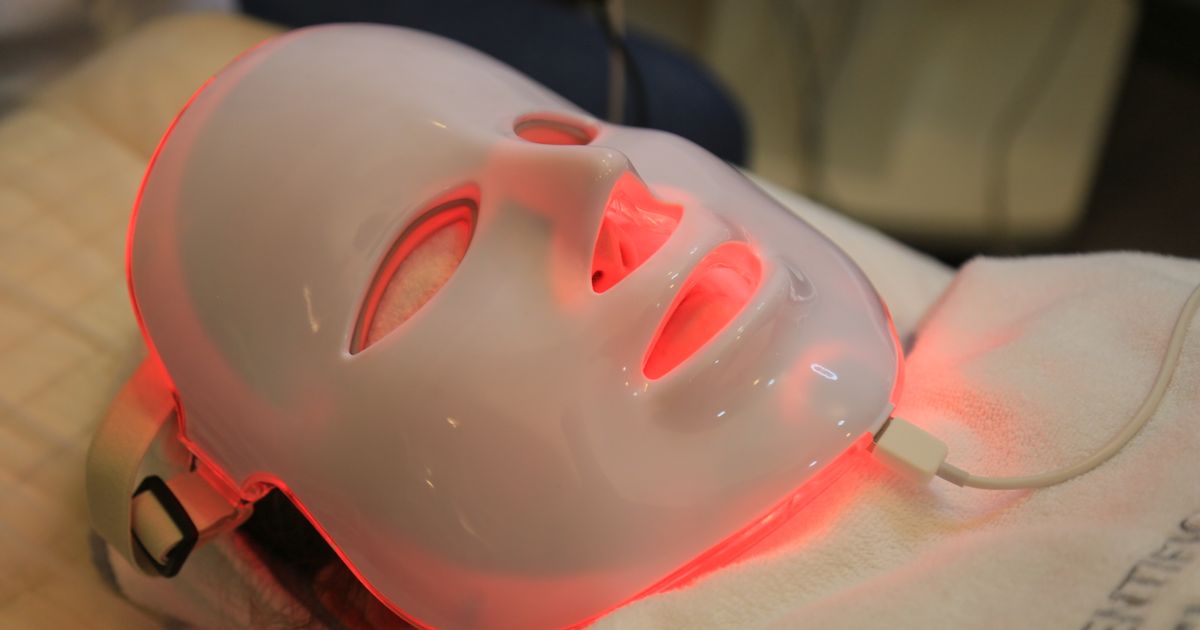
Does Red Light Therapy Work? The Honest Truth

You've probably scrolled past red light therapy claims on social media. Glowing skin. Better recovery. Big promises. But does red light therapy work, or is it just another wellness trend that sounds better than it actually is?
Related: Best Light Therapy for Home Wellness in 2026
For homeowners comparing red light therapy devices, the key is understanding what the technology may support, what it cannot promise, and how to choose a quality device for consistent home use.
The answer is nuanced. Red light therapy does show real promise, but not in the way most people think. Let's talk about what actually happens when you use it, what the science says, and whether it makes sense for your home wellness setup.
In this article
Does Red Light Therapy Actually Work?
Red light therapy may support certain wellness and skincare routines when used consistently and according to the device instructions. The results are usually gradual, not instant, and they can vary from person to person.
Many people use red light therapy as part of a broader routine for skin appearance, relaxation, and post-activity recovery. Some studies have explored red and near-infrared light for skin-related outcomes and cellular activity, but red light therapy should not be presented as a cure, treatment, or guaranteed solution.
The key word is consistency. People who notice benefits typically use their device regularly over time, often for several weeks or months, while following the manufacturer’s recommended schedule
Related: Red Light Therapy Home Equipment Benefits Explained
How Red Light Therapy ay Work
Red light therapy uses specific wavelengths of red or near-infrared light. These wavelengths are commonly discussed in connection with photobiomodulation, a process where light exposure may influence cellular activity.
This is one reason red light therapy is often used in wellness, skincare, and recovery routines. However, individual results can vary, and red light therapy should not be viewed as a guaranteed medical treatment or instant solution.
What Red Light Therapy May Support
Red light therapy is commonly used as part of skincare, wellness, and recovery routines. The key is to keep expectations realistic. Results are usually gradual, individual experiences vary, and red light therapy should not be presented as a cure or guaranteed solution.
Skin Appearance
Some people use red light therapy as part of a skincare routine to support the appearance of smoother, healthier-looking skin over time. Results vary and depend on consistency, device quality, skin type, and the rest of your skincare habits.
Post-Activity Recovery Routines
Red light therapy is also popular among people who want a recovery-focused home wellness space. It may be used alongside saunas, cold plunges, massage chairs, and stretching or relaxation routines.
Relaxation and Wellness Consistency
For many at-home users, the biggest benefit is creating a consistent wellness habit. A red light therapy session can become part of a simple routine that encourages slowing down, relaxing, and taking care of your body.
What Red Light Therapy Cannot Do

Red light therapy should not be viewed as a cure, medical treatment, or replacement for professional care. If you have a skin condition, injury, medical concern, or are taking medications that may increase light sensitivity, speak with a qualified healthcare professional before starting.
It also should not be treated as a quick fix. Red light therapy is typically used as a consistent wellness or skincare routine, and results can vary from person to person.
For at-home users, the safest approach is to follow the manufacturer’s instructions, avoid excessive session times, and keep expectations realistic.
Keep Expectations Realistic
Red light therapy is best approached as one part of a broader wellness or skincare routine. It should not replace professional skincare advice, medical care, sun protection, or any treatment plan recommended by a qualified healthcare professional.
Results can vary from person to person. Skin type, age, device quality, consistency, lifestyle, and overall health may all influence someone’s experience with red light therapy.
Choosing Red Light Therapy for Home Use
If you are interested in adding red light therapy to your home wellness routine, device quality matters. At-home devices can vary by size, wavelength, power output, treatment area, instructions, and safety features.
Look for products from reputable manufacturers, follow the device manual, and choose a setup that fits your space and routine. A red light therapy panel or device can pair well with a broader home wellness area that includes saunas, cold plunges, massage chairs, or other recovery-focused products.
Prime Regeneration offers home wellness products and product guidance to help customers compare options for their space, lifestyle, and comfort level. Need help comparing options? Contact Prime Regeneration for product guidance.
The Bottom Line on Red Light Therapy
So, does red light therapy work? It may support certain wellness, skincare, and recovery routines when used consistently and responsibly. Results are typically gradual, individual experiences vary, and device quality matters.
Red light therapy works best when expectations are realistic. It should not be viewed as a miracle solution, medical treatment, or replacement for professional care.
For homeowners building a dedicated wellness space, red light therapy can be a thoughtful addition alongside other recovery-focused products, especially when used according to the manufacturer’s instructions.
Frequently Asked Questions
How long does it take to see results from red light therapy?
Results vary from person to person. Some people may notice changes in how their skin looks or how their wellness routine feels after several weeks of consistent use, while others may not notice much change. Device quality, consistency, skin type, lifestyle, and expectations all matter.
Can you use red light therapy every day?
Usage depends on the specific device and the manufacturer’s instructions. Some devices may be designed for frequent use, while others may recommend a different schedule. Always follow the guidance that comes with your device and avoid excessive session times.
Is red light therapy the same as infrared therapy?
No. Red light therapy and infrared therapy use different wavelengths of light. Red light is visible, while infrared light is not visible to the human eye. Some devices use red light, near-infrared light, or a combination of both. The best choice depends on the device, intended use, and manufacturer guidance.
Will results from red light therapy last after I stop using it?
Red light therapy is best viewed as an ongoing wellness or skincare routine, not a one-time fix. If you stop using it, any visible or perceived benefits may change over time. Results vary by person and by routine.
Is red light therapy a medical treatment?
For Prime Regeneration, red light therapy should be presented as a wellness and self-care option, not as a cure, treatment, or guaranteed medical solution. If you have a medical concern, skin condition, eye condition, light sensitivity, or take medications that may increase photosensitivity, speak with a qualified healthcare professional before use.