Best Light Therapy for Home Wellness in 2026

If you're investing in a luxury home wellness space, light therapy deserves a prominent place alongside your sauna, cold plunge, and recovery equipment. Red light therapy has moved from wellness trend to clinically validated recovery tool, offering measurable benefits for skin health, circulation, and overall well-being without needles, downtime, or harsh chemicals.
The challenge? Knowing which red light therapy system will actually deliver results in your home. This guide walks you through the science, the best use cases, and how to choose a device that fits your wellness routine and aesthetic standards.
Related: Does Red Light Therapy Work? The Honest Truth
In this article
- What Is Light Therapy and How Does It Work?
- Key Benefits of Red Light Therapy for Home Wellness
- Types of Light Therapy Systems for Your Home
- How to Choose the Right Light Therapy System
- Red Light Therapy in a Complete Wellness Routine
- What to Expect: Timeline and Results
- Investment and Authenticity Considerations
What Is Light Therapy and How Does It Work?
Light therapy, particularly red and near-infrared wavelengths, works by stimulating cellular activity in your skin and deeper tissues. When these specific wavelengths penetrate the skin, they're believed to boost collagen production, reduce inflammation, and enhance circulation. This isn't new science: dermatologists have been using light-based therapies for decades to treat acne, fine lines, age spots, and skin texture concerns.
The difference between red light therapy at home and in-clinic treatments is primarily convenience and consistency. A premium home system from Prime Regeneration allows you to integrate regular sessions into your daily wellness routine without appointments or downtime.
Red light therapy is safe for all skin types year-round and does not increase sun sensitivity, making it an excellent complement to your existing skincare and recovery protocols.
Key Benefits of Red Light Therapy for Home Wellness
Anti-aging and skin rejuvenation. Red light therapy is particularly effective for reducing visible signs of aging. Studies show measurable improvements in fine lines, wrinkles, and skin firmness, especially when used consistently over 8-12 weeks. The mechanism is collagen stimulation and improved blood flow to the dermal layer.
Acne and inflammatory skin conditions. If you struggle with acne-prone skin, red light's anti-inflammatory properties help calm breakouts without irritating or drying your complexion. It's also used clinically to address psoriasis and other inflammatory skin concerns.
Circulation and muscle recovery. Beyond facial benefits, whole-body light therapy supports circulation and may enhance recovery after workouts or sauna sessions. Many homeowners integrate red light therapy into their post-exercise routine alongside cold plunge recovery.
Related: Red Light Therapy Home Equipment Benefits Explained
Sleep and mood support. Light therapy has established clinical evidence for managing Seasonal Affective Disorder (SAD) and supporting sleep regulation, particularly when used strategically in morning routines.
Types of Light Therapy Systems for Your Home
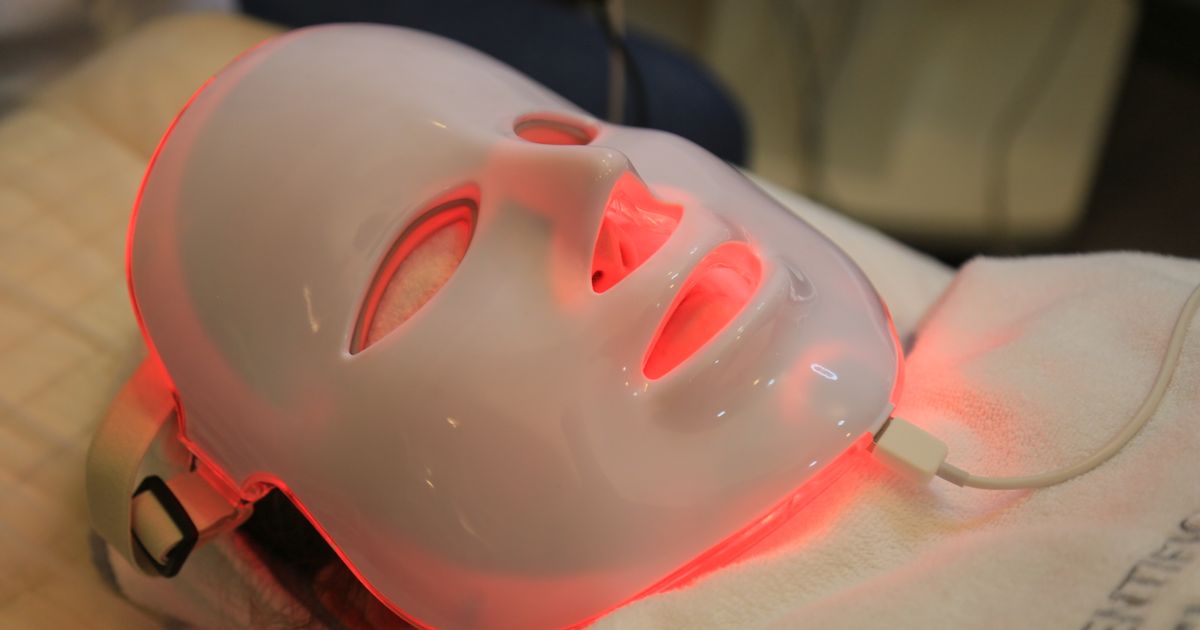
Panel and overhead systems. Wall-mounted or ceiling-mounted panels offer broad-area coverage, ideal for treating larger body areas or full-face sessions. These are popular in dedicated wellness rooms and typically deliver consistent wavelength output across a wide treatment area.
Handheld and targeted devices. Smaller, focused devices work well for facial treatments, targeted skin concerns, or travel. They're less expensive than full panels but require more time per session.
Combination systems. Premium setups integrate red light with other recovery modalities. If you're building a comprehensive home wellness space alongside infrared saunas or cold plunge tubs, manufacturers now offer integrated systems that save space and simplify setup.
How to Choose the Right Light Therapy System

Wavelength matters. Effective red light therapy uses wavelengths between 600-700 nanometers (red) and 700-1100 nanometers (near-infrared). Make sure the device you select specifies exact wavelengths rather than vague claims about "red light benefits." This is where premium devices from authorized retailers shine: they publish full specifications.
Power and irradiance. Higher wattage doesn't always mean better results, but devices with clinically validated power output deliver faster, more noticeable improvements. Look for systems that provide irradiance measurements at the recommended treatment distance.
Treatment area and use case. Are you treating your face, back, or full body? A small handheld device works for facial work; larger panels suit whole-body recovery. Your intended use directly determines whether you need a compact tabletop system or a wall-mounted installation.
Safety certifications and warranty. Reputable light therapy devices carry dermatologist validation and, if applicable, FDA clearance for specific indications. When shopping at Prime Regeneration, you're backed by manufacturer warranties and U.S.-based support, which matters if you need troubleshooting or want to understand optimal use protocols.
Aesthetics and integration. Premium light therapy systems are now designed for luxury home integration. Whether you prefer a sleek panel that doubles as wall art or a discrete overhead installation in your wellness room, the market has moved beyond clinical-looking equipment.
Related: Best Home Contrast Therapy Systems for 2026
Red Light Therapy in a Complete Wellness Routine
Light therapy works beautifully as part of a broader recovery ecosystem. Many homeowners pair it with infrared saunas for enhanced circulation and detoxification, followed by red light therapy sessions to support skin repair and healing.
The sequence matters: some wellness professionals recommend using light therapy after sauna sessions or cold exposure, when blood flow is elevated and tissues are primed for cellular stimulation. Others prefer morning light therapy as a mood and energy tool. Your routine will depend on your specific goals and schedule.
Consistency beats intensity. A 10-15 minute daily session of red light therapy outperforms sporadic longer sessions. This is why home ownership is advantageous: you eliminate friction and can build light therapy into your morning or evening ritual without leaving your house.
What to Expect: Timeline and Results
Red light therapy is not an overnight fix, but results are measurable. Most users report initial improvements in skin radiance and smoothness within 2-3 weeks of consistent use. More significant improvements in fine lines, texture, and firmness typically appear after 8-12 weeks.
Recovery benefits and circulation improvements are often felt sooner, particularly when integrated into post-exercise or post-sauna routines. Sleep and mood support may also appear within the first few weeks for those using light therapy strategically for circadian rhythm support.
Individual experiences vary based on skin type, baseline skin condition, device quality, and consistency. This is why purchasing from an authorized dealer like Prime Regeneration matters: you get guidance on realistic timelines and optimization strategies specific to your goals.
Investment and Authenticity Considerations
Light therapy devices range from under $200 to several thousand dollars, depending on power, wavelength precision, and treatment area. Budget options exist, but clinical effectiveness and longevity favor premium systems with transparent specifications and manufacturer warranties.
Counterfeit or unvalidated devices are common online. When you invest in premium light therapy, you're paying for certified wavelengths, tested irradiance levels, and long-term reliability. Authorized retailers like Prime Regeneration stock authentic products from established manufacturers and back them with real warranties and customer support.
How often should I use red light therapy?
Most protocols recommend 3-5 sessions per week for skin benefits, with each session lasting 10-20 minutes depending on your device's power output. Daily use is safe and can accelerate results, though consistency matters more than frequency. Start with manufacturer guidelines for your specific device and adjust based on how your skin responds.
Is light therapy safe if I have sensitive skin?
Red light therapy is gentle and safe for all skin types, including sensitive, acne-prone, and rosacea-prone skin. It does not increase sun sensitivity or cause photosensitivity reactions. That said, if you're using photosensitizing medications or have certain conditions like porphyria, consult your dermatologist before starting. Start with shorter sessions (5-10 minutes) if your skin is very reactive, then gradually increase duration as your skin adapts.
Can I use light therapy alongside other skincare products?
Yes. Red light therapy pairs well with serums, moisturizers, and other topical treatments. In fact, many users apply their skincare routine before or after light therapy sessions to maximize absorption and effects. Avoid applying products with strong photosensitizing ingredients (like vitamin C at high concentrations or certain essential oils) immediately before sessions, but standard moisturizers and serums are fine.
Do I need to wear protective eyewear during red light therapy?
Red light wavelengths (600-700nm) do not pose the same UV risk as sun exposure or tanning beds. However, staring directly into a bright light source is uncomfortable and unnecessary. Most sessions target your face or body, not direct eye exposure. If your device produces very intense light and you're concerned, affordable light therapy glasses are available, but they're optional for typical home use at manufacturer-recommended distances.