Home Spa Design: Your Guide to Luxury Wellness Spaces

In this article
Home Spa Design Starts With a Vision
You're scrolling through some ultra-luxury magazine and you see it. Someone's home spa that looks like it belongs in a five-star resort. And you think, "I want that."
Thoughtful home spa design starts with choosing the right space, selecting quality wellness equipment, and creating a layout you'll actually enjoy using.
Here's the thing though. Most people think home spa design is just about throwing a sauna in the basement or slapping some marble tiles on a bathroom wall. It's not.
Real home spa design is about creating a space that actually works for your life. A place where you go to reset, recover, and feel like yourself again. And the good news? You don't need a mansion to pull it off.
What Actually Makes a Home Spa Work
The best home spa spaces have three things in common: they are intentional, functional, and personal to your lifestyle.
Instead of building a space around trends alone, start with how you want to use it. Maybe you want a sauna for quiet relaxation, a steam shower for a spa-like bathroom routine, a cold plunge for contrast therapy, or red light therapy as part of your broader wellness setup.
The goal is to create a space that feels inviting, easy to use, and realistic for your everyday routine.
Start With Your Space
Begin by looking honestly at the area you have available. A basement, backyard, primary bathroom, spare room, covered patio, or garage conversion can all work depending on your goals and the equipment you want to include.
Your space will influence the size, layout, ventilation needs, electrical requirements, moisture control, and overall design direction. A compact indoor setup may call for a sauna or steam shower, while a larger outdoor area may allow room for a sauna, cold plunge, and relaxation zone.
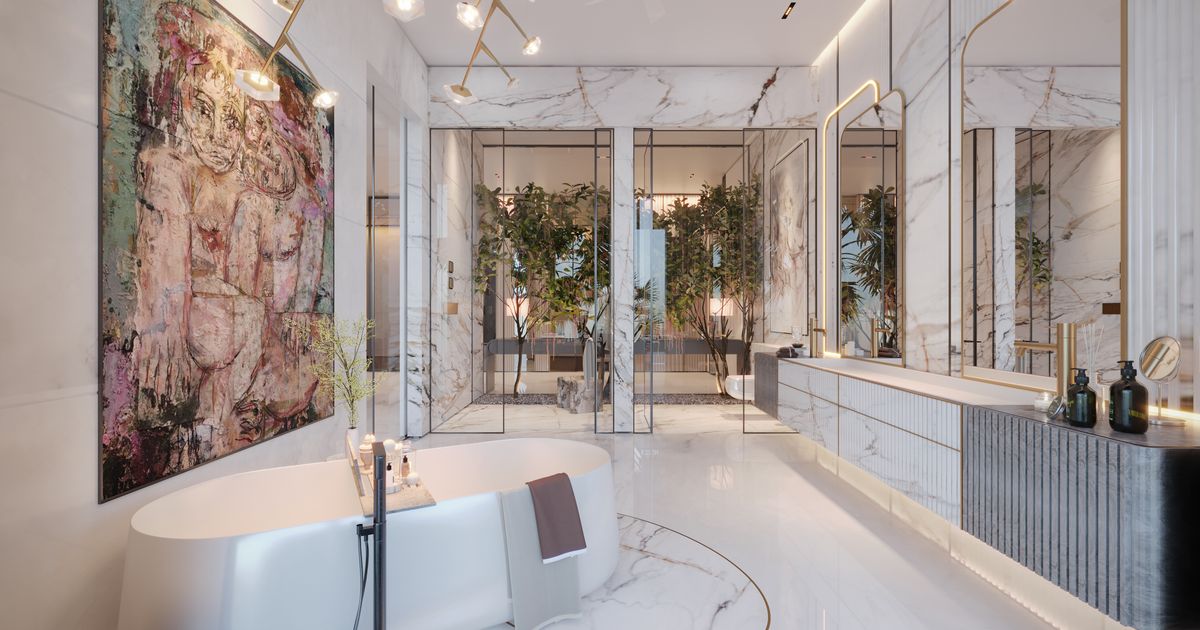
A clean, minimalist design often works best for home spa spaces. Natural materials, thoughtful lighting, open walking paths, and carefully placed equipment can make the space feel premium without making it feel crowded.
The Core Equipment to Consider
The right home spa equipment depends on your space, budget, and preferred wellness routine. For many homeowners, the most common starting points are saunas, steam showers, cold plunges, and red light therapy devices.
Traditional vs. Infrared Saunas
Traditional saunas use heated sauna stones to create a high-heat sauna environment. Infrared saunas use infrared heating technology to create a different style of warmth, often at lower air temperatures.
Neither option is automatically better for everyone. The right choice depends on your comfort level, available space, electrical requirements, design preferences, and how you want the sauna to feel during use.
Steam Showers and Hydrotherapy
A steam shower can add a spa-like experience to a primary bathroom or dedicated wellness room. Because steam creates moisture and humidity, proper ventilation, waterproofing, and professional installation are important.
Cold plunges, immersion tubs, and contrast therapy setups are also popular in home spa design, especially for people who want a dedicated hot-and-cold wellness routine.
Red Light Therapy Systems
Red light therapy devices and panels are another option for homeowners building a layered wellness space. They can be used as part of a broader self-care routine alongside saunas, cold plunges, massage chairs, or relaxation areas.
As with any wellness equipment, follow the manufacturer’s instructions and choose products that fit your space, routine, and comfort level.
How to Layout Your Spa Space

Think about the experience you want to create from start to finish. A well-designed home spa should feel easy to move through, comfortable to use, and simple to maintain.
Create a Natural Flow
A useful layout may include a preparation area, your main wellness feature, and a place to cool down or relax afterward. For example, you might move from a changing area to a sauna or steam shower, then to a cold plunge or shower, and finally to a lounge chair or quiet recovery space.
You do not need every zone to create a successful home spa. Even a compact setup can feel intentional when the layout supports how you actually use the space.
Outdoor vs Indoor
Indoor home spas can work well in bathrooms, basements, spare rooms, or garage conversions. Outdoor wellness spaces may be a good fit for backyards, covered patios, decks, or garden areas.
If you choose an outdoor setup, consider weather protection, drainage, electrical access, privacy, lighting, and how the space will be used throughout the year.
The Design Elements That Matter
Once you know which equipment you want to include, the next step is making the space feel intentional, comfortable, and easy to maintain.
Materials and Finishes
Natural materials such as wood, stone, and tile work well in home spa design because they create a warm, grounded, and premium feel. They can also help define different zones within the space, especially when combining wet areas, dry areas, and relaxation areas.
Lighting and Atmosphere
Lighting has a major impact on how your home spa feels. Soft, warm, adjustable lighting usually works better than harsh overhead lighting. Dimmers, indirect lighting, and natural light can help create a calmer environment.
Ventilation and Humidity Control
Ventilation and moisture control are important for any spa space, especially if you are adding a steam shower, sauna, shower area, or indoor cold plunge. Proper ventilation helps protect the room, supports comfort, and helps reduce moisture-related issues.
Technology and Controls
Modern wellness equipment may include digital controls, Wi-Fi options, timers, presets, or app-based features. These can be helpful, but the best technology should make the experience easier, not more complicated.
When comparing equipment, consider how simple the controls are, where they will be placed, and whether the setup fits the way you plan to use the space.
Making It Personal to You

Your home spa should reflect your real lifestyle, not just a design trend. Start by thinking about the routines you already enjoy and the ones you would realistically use on a regular basis.
If you enjoy quiet relaxation, a sauna, steam shower, or comfortable lounge area may be the right priority. If you like hot-and-cold routines, a sauna and cold plunge setup may make sense. If you want a layered wellness space, you may choose to add red light therapy, massage chairs, or other recovery-focused products over time.
The best home spa is one that feels natural to use, easy to maintain, and aligned with how you want to feel in your own space.
The Budget Reality
Premium home spa equipment is an investment, so it is important to choose products that fit your space, budget, and long-term goals. A sauna, steam shower, cold plunge, or red light therapy system should be selected carefully, especially when electrical requirements, ventilation, delivery, and installation may be involved.
Buying from an authorized retailer can help ensure access to manufacturer warranty coverage, product information, and customer support. Prime Regeneration offers premium home wellness products with U.S.-based support and guidance to help customers compare options for their home spa projects.
You do not need to build everything at once. Many homeowners start with one or two key pieces, then add other wellness products over time as their space, routine, and budget evolve.
Common Design Mistakes to Avoid
Avoid cramming too much equipment into a small space. A focused, well-planned spa area often feels better than a crowded room with too many features.
Do not overlook ventilation, moisture control, electrical requirements, drainage, or installation needs. These details are especially important for saunas, steam showers, showers, cold plunges, and other wet-area products.
Choose function and comfort along with aesthetics. A beautiful spa space should also be easy to use, easy to move through, and realistic for your daily routine.
Finally, design around your actual lifestyle. The best home spa is one you will use regularly, not one that only looks good in photos.
Next Steps for Your Home Spa Project
Start by defining your available space, preferred layout, and the type of wellness routine you want to create. Think about whether your priority is relaxation, heat, steam, contrast therapy, red light therapy, hydrotherapy, or a combination of several features.
Next, compare equipment options based on size, electrical requirements, ventilation needs, delivery considerations, installation requirements, warranty coverage, and how often you realistically plan to use the space.
Prime Regeneration can help customers compare saunas, steam shower systems, cold plunges, red light therapy devices, massage chairs, and other home wellness products for their space and lifestyle.
Finally, think about the overall feeling you want your home spa to create. A successful wellness space should feel calm, comfortable, functional, and easy to return to regularly.
Explore premium home wellness products for your home spa design, including saunas, steam shower systems, cold plunges, red light therapy devices, and massage chairs.
Frequently Asked Questions
What’s the difference between a sauna and a steam shower?
A sauna uses dry heat or infrared warmth, depending on the type of sauna. A steam shower uses moist heat and humidity. Both can create a relaxing spa-style experience, but they feel different and have different installation requirements.
How much space do you need for home spa design?
You can create a home spa in a small space, such as a bathroom, spare room, garage area, or outdoor corner. Larger spaces allow more flexibility for multiple features, such as a sauna, cold plunge, shower, and lounge area. The best layout depends on your available space, equipment size, ventilation, electrical access, and how you plan to use the area.
Do you need professional installation?
Many home spa products require professional installation, especially saunas, steam showers, cold plunges, electrical components, plumbing, drainage, and ventilation systems. Always review the manufacturer’s installation requirements before purchasing and work with qualified professionals when needed.
What is the best home spa equipment to start with?
The best starting point depends on your goals. Many homeowners begin with a sauna, steam shower, cold plunge, or red light therapy device. Start with the feature you are most likely to use consistently, then add other wellness products over time as your space and budget allow.
Can Prime Regeneration help me compare home spa products?
Yes. Prime Regeneration offers premium home wellness products, including saunas, steam shower systems, cold plunges, red light therapy devices, massage chairs, and related recovery products. Our team can help customers compare options based on space, lifestyle, product features, and manufacturer requirements.