Article: Steam Shower vs. Traditional Sauna: What's the Difference?
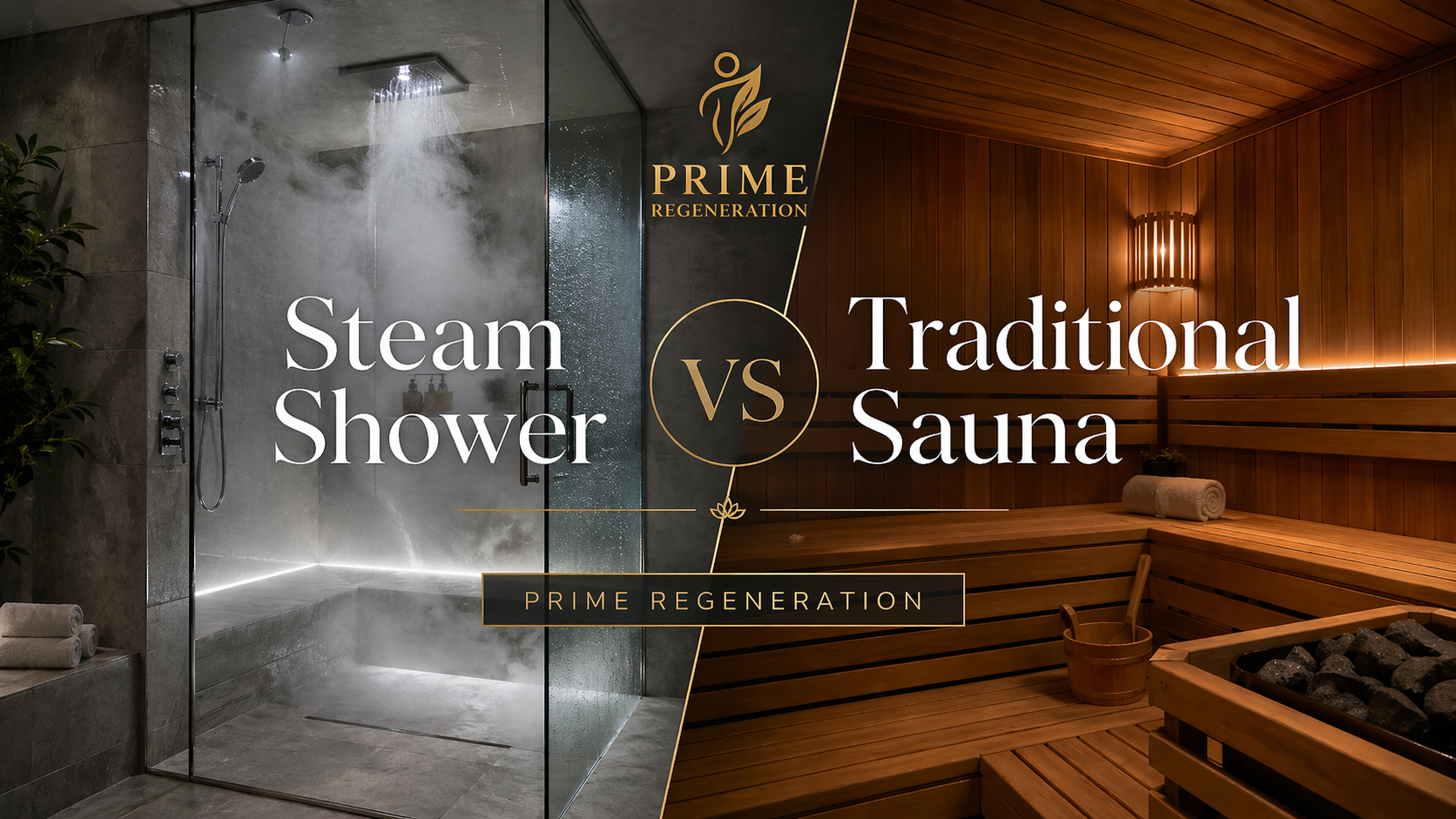
Steam Shower vs. Traditional Sauna: What's the Difference?
Last Updated: April 2026
Shop All Saunas → Shop Steam Generators →
Steam Shower vs. Traditional Sauna: What's the Difference?
Both steam showers and traditional saunas can create a relaxing, spa-inspired experience at home, but they work very differently. Understanding the key differences can help you choose the right option for your space, preferred heat style, installation needs, and budget.
At a Glance
| Feature | Traditional Sauna | Steam Shower |
|---|---|---|
| Heat source | Electric or wood-burning heater | Steam generator |
| Typical temperature | 150–195°F, depending on model and setup | 100–115°F, depending on generator and enclosure |
| Humidity | Lower humidity dry heat, with optional bursts of steam from water over stones | High-humidity wet heat |
| Session style | Classic high-heat sauna environment | Warm, humid steam environment |
| Room construction | Wood-lined, insulated room or sauna cabin | Fully sealed tile, stone, or compatible steam shower enclosure |
| Space required | Dedicated indoor room or outdoor sauna structure | Can be designed into a bathroom or shower area |
| Installation needs | Sauna heater, proper electrical setup, ventilation, and sauna-safe materials | Steam generator, sealed enclosure, plumbing, drainage, and proper electrical setup |
Traditional Sauna: Classic Dry Heat
Traditional saunas use an electric heater or wood-burning stove to heat a wood-lined sauna room. Temperatures are typically higher than steam showers, and the environment is usually drier. Many traditional sauna setups allow users to pour water over hot sauna stones to create brief bursts of steam, often called löyly.
Best for:
- A classic Finnish-style sauna experience
- Customers who prefer higher heat and a drier environment
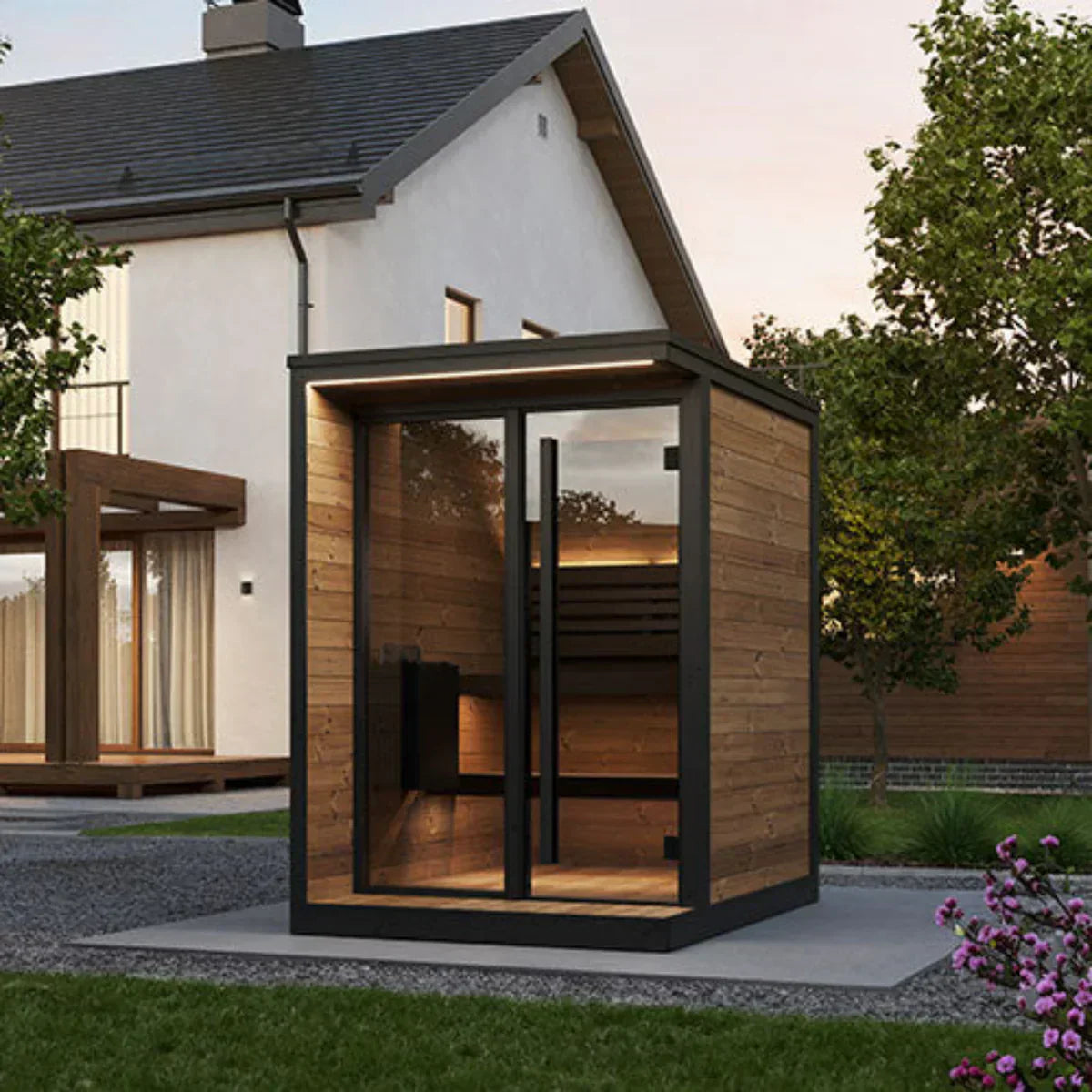
- Outdoor sauna cabins or dedicated indoor sauna rooms
- Homeowners who want a traditional sauna heater and sauna stone setup
- Social sauna sessions with family or guests, depending on sauna size
What people enjoy:
- A warm, quiet space for relaxation
- A classic sauna atmosphere with wood, heat, and optional steam from stones
- A spa-inspired experience without leaving home
- A dedicated wellness space for after work, after exercise, or weekend routines
- The option to choose from indoor, outdoor, barrel, cabin, and modular sauna designs
Steam Shower: Warm Humid Heat
A steam shower uses a steam generator to fill a sealed enclosure with warm, moist steam. Steam showers typically operate at lower temperatures than traditional saunas, but the high humidity creates a different type of heat experience.
Best for:
- Customers who prefer moist heat instead of dry heat
- Bathroom upgrades and spa-inspired shower spaces
- Smaller spaces where a full sauna room may not be practical
- Homeowners who want to add steam functionality to a properly designed shower enclosure
- Warm, humid relaxation routines at home
What people enjoy:
- A warm, enveloping steam environment
- A spa-style shower experience
- A relaxing bathroom upgrade
- The convenience of combining shower and steam features in one space
- A quieter, more enclosed wet-heat experience compared with a traditional sauna
Installation Comparison
Traditional Sauna
- Requires a sauna-safe wood-lined room, sauna kit, or outdoor sauna structure
- May require insulation, ventilation, and proper clearances depending on the model
- Electric sauna heaters typically require a dedicated electrical circuit
- Wood-burning sauna heaters require proper chimney, clearance, and local code considerations
- Can be installed indoors or outdoors depending on the sauna model
- Pre-cut sauna kits may simplify the planning process for some spaces
- Read our sauna heater sizing guide before purchasing
Steam Shower
- Requires a fully sealed, waterproof enclosure designed for steam use
- Needs a steam generator sized to the enclosure volume and materials
- Generator is typically installed in a nearby cabinet, closet, vanity, or utility space, depending on model requirements
- Usually requires plumbing, drainage, and a dedicated electrical circuit
- Proper waterproofing and sealing are important for long-term performance
- Browse our Kohler steam generators for sizing options
Can You Have Both?
Yes. Some homeowners choose both a traditional sauna and a steam shower when designing a complete home wellness space. A sauna can provide a classic high-heat experience, while a steam shower offers a warm, humid shower-based experience. If space and budget allow, combining both can create a more complete spa-inspired setup at home.
Some homeowners also pair a sauna or steam shower with a cold plunge tub to create a hot-and-cold routine as part of a backyard, bathroom, or home gym wellness space.
Which Should You Choose?
- Choose a traditional sauna if: You want a classic sauna experience, prefer higher heat and a drier environment, have space for a dedicated sauna room or outdoor structure, or want a larger social sauna setup.
- Choose a steam shower if: You prefer moist heat, want to upgrade a bathroom or shower area, have limited space, or want a warm steam experience built into a shower enclosure.
- Choose both if: You are designing a larger home wellness space and want both dry-heat and wet-heat options.
Shop by Category
Still not sure which option is right for your space? Contact our team — we can help you compare sauna and steam options for your home setup.
Related Guides
- Sauna Buying Guide — Compare sauna types, sizes, and features
- Sauna Heater Sizing Guide — Find the right heater size for your sauna room
- Steam Generator Sizing Guide — Learn how steam generator sizing works
- Cold Plunge Buying Guide — Compare cold plunge options for your wellness space
Disclaimer: The information in this guide is for general informational and shopping purposes only and is not intended as medical advice. Prime Regeneration products are intended for general wellness, relaxation, and personal use only. They are not medical devices and are not intended to diagnose, treat, cure, or prevent any disease or medical condition. Individual experiences may vary. Consult a qualified healthcare professional before beginning any new wellness practice, particularly if you are pregnant, elderly, have a pre-existing medical condition, or are taking prescription medication.