Contrast Therapy for Athletes: Science-Backed Recovery Guide

Contrast therapy alternates periods of warm and cold water immersion as part of a structured recovery routine. Many athletes incorporate contrast therapy into their training programs to help manage post-exercise soreness, support circulation, and promote overall recovery.
Whether you're training for competition or simply maintaining an active lifestyle, understanding how contrast therapy works can help you decide if it's a good addition to your home wellness routine.
Related: Hot Cold Contrast Therapy: Benefits & How It Works
In this article
- What Is Contrast Therapy and How Does It Work?
- The Science Behind Athletic Recovery
- The Contrast Therapy Protocol Athletes Actually Use
- Benefits Beyond Just Reducing Soreness
- Setting Up Contrast Therapy at Home
- Important Safety Considerations
- Contrast Therapy vs. Other Recovery Modalities
- Real-World Athlete Experience
- Getting Started with Your Own System
What Is Contrast Therapy and How Does It Work?
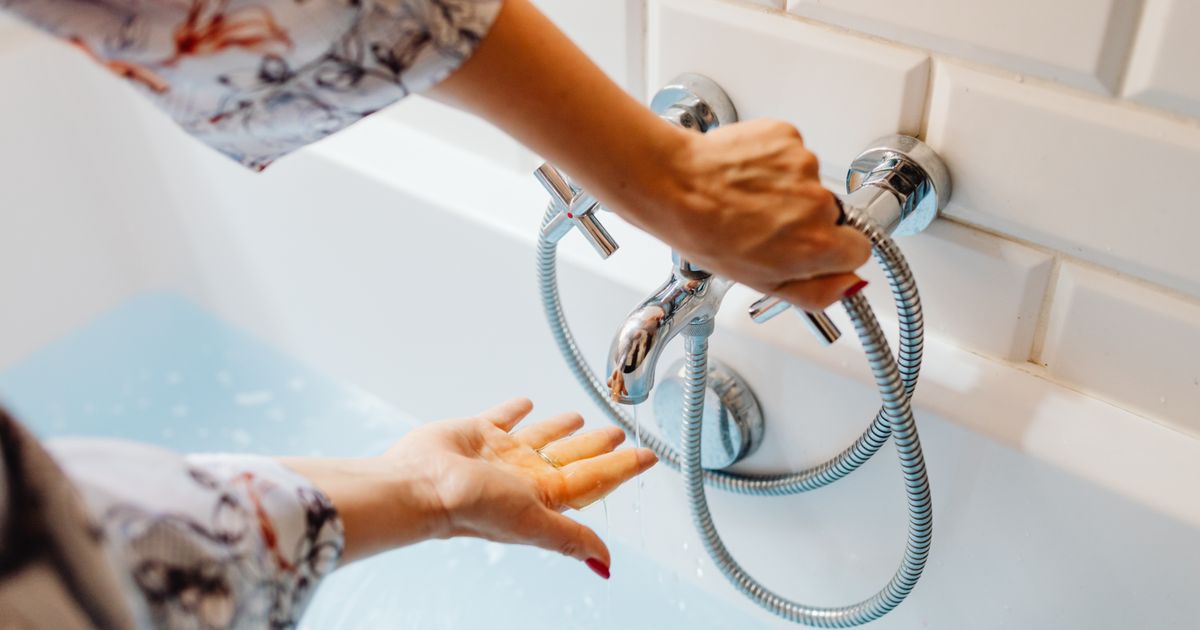
Contrast therapy works by exposing your body to alternating temperatures. You start with hot water, then switch to cold, then back to hot again. This temperature swing creates a pumping effect in your blood vessels that improves circulation throughout your body.
Related: Does Red Light Therapy Work? The Honest Truth
Here's what happens inside: hot water causes your blood vessels to dilate (expand), while cold water makes them constrict (tighten). This repeated cycle acts like a natural pump that pushes oxygen-rich blood into your muscles and flushes out metabolic waste that builds up during hard training.
Many athletes report feeling less muscle soreness and improved recovery after contrast therapy. Research suggests alternating hot and cold exposure may support circulation, temporary relief of post-exercise discomfort, and recovery between training sessions.
The Science Behind Athletic Recovery
Research supports what athletes have noticed firsthand. Studies show contrast therapy reduces pain on the Visual Analog Scale (VAS), decreases swelling, and improves your range of motion in joints. One key benefit: it appears to reduce recovery time from acute injuries like muscle strains and sprains.
The mechanism is straightforward. The alternating temperatures stimulate your lymphatic system, which supports immune function and removes waste products from your muscles. You're not just feeling better. Your body is actually processing recovery more efficiently.
Research on contrast therapy continues to grow. Several studies have evaluated its potential role in supporting post-exercise recovery, reducing perceived muscle soreness, and improving short-term comfort following intense physical activity. Individual experiences and outcomes may vary.
The Contrast Therapy Protocol Athletes Actually Use
You don't need to guess about timing and temperature. The National Champion Caliber Protocol gives you a proven framework.
Here's the breakdown:
- Alternate 1 minute in cold water with 1-2 minutes in hot water
- Repeat this cycle 3-5 times per session
- Total session duration: 6-15 minutes
- Best timing: within 15-30 minutes after your workout
Start conservatively if you're new to this. Your first session might feel intense. Your body adapts quickly, though, and by your third or fourth session, it becomes part of your routine.
Temperature matters too. Cold water typically sits around 50-59 degrees Fahrenheit, while hot water stays in the 104-113 degree range. If you're creating a home contrast therapy space, Prime Regeneration offers premium cold plunge tubs, hot tubs, steam shower systems, and other wellness products that can be combined to create a personalized recovery experience tailored to your space and wellness goals.
Benefits Beyond Just Reducing Soreness
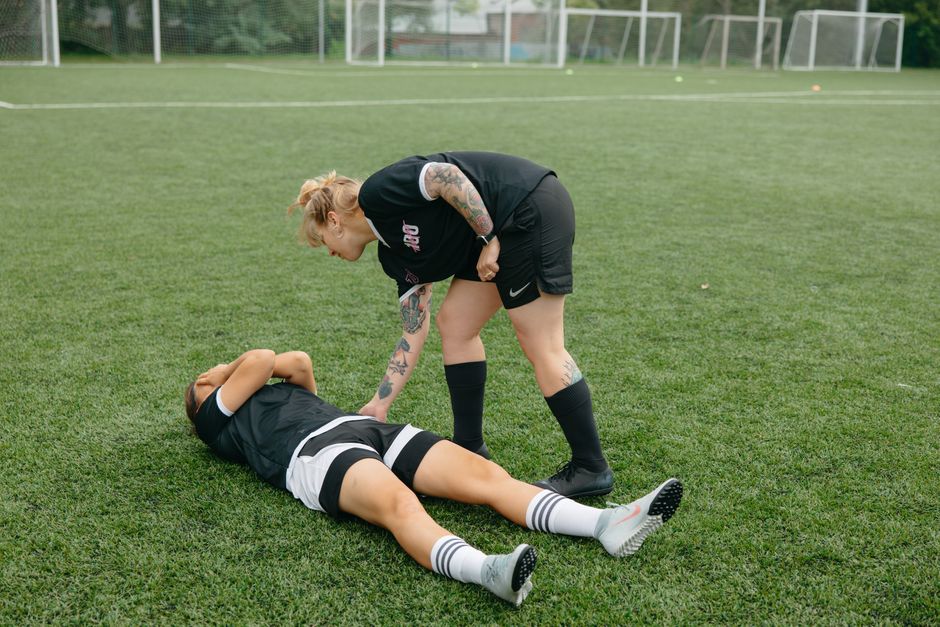
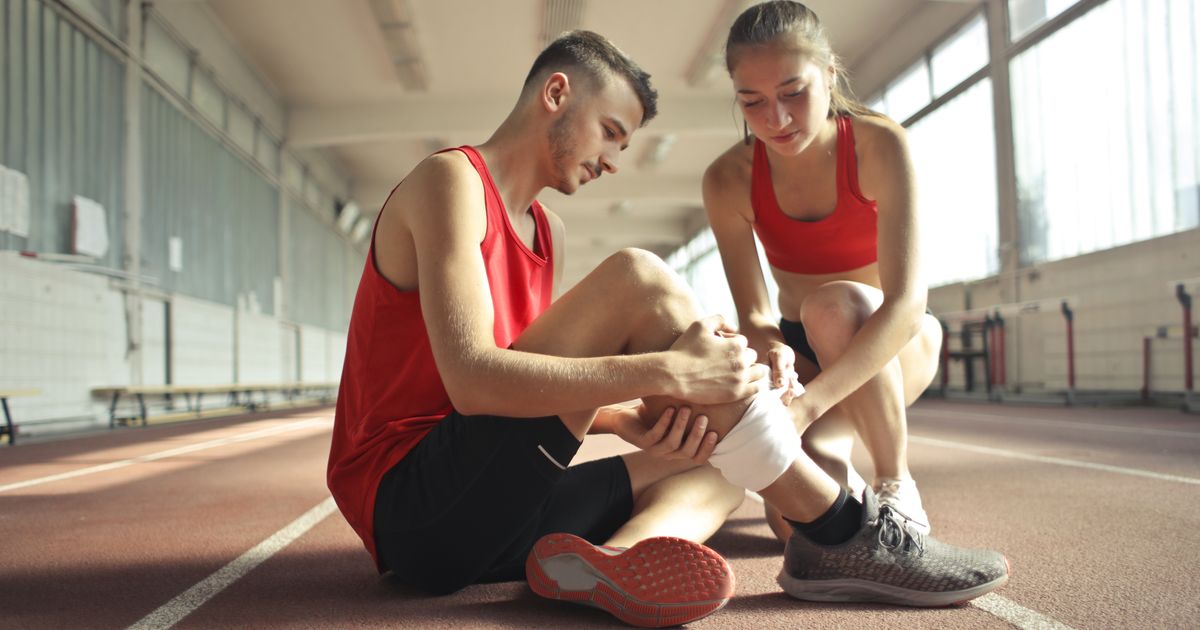
Yes, contrast therapy crushes delayed-onset muscle soreness (DOMS). But the benefits extend further than that.
Many athletes report feeling less sore, improved mobility, and better prepared for their next training session after incorporating contrast therapy into their recovery routine. Alternating hot and cold exposure may also support circulation and temporary post-exercise recovery. Individual experiences and results can vary.
There's also a mental component. The ritual of a structured recovery session signals to your mind and body that training is complete. That psychological closure matters more than some people realize for sleep quality and overall stress management.
For athletes and active individuals, a home contrast therapy setup offers the convenience of enjoying a spa-inspired recovery routine on your own schedule without traveling to a wellness center.
Setting Up Contrast Therapy at Home
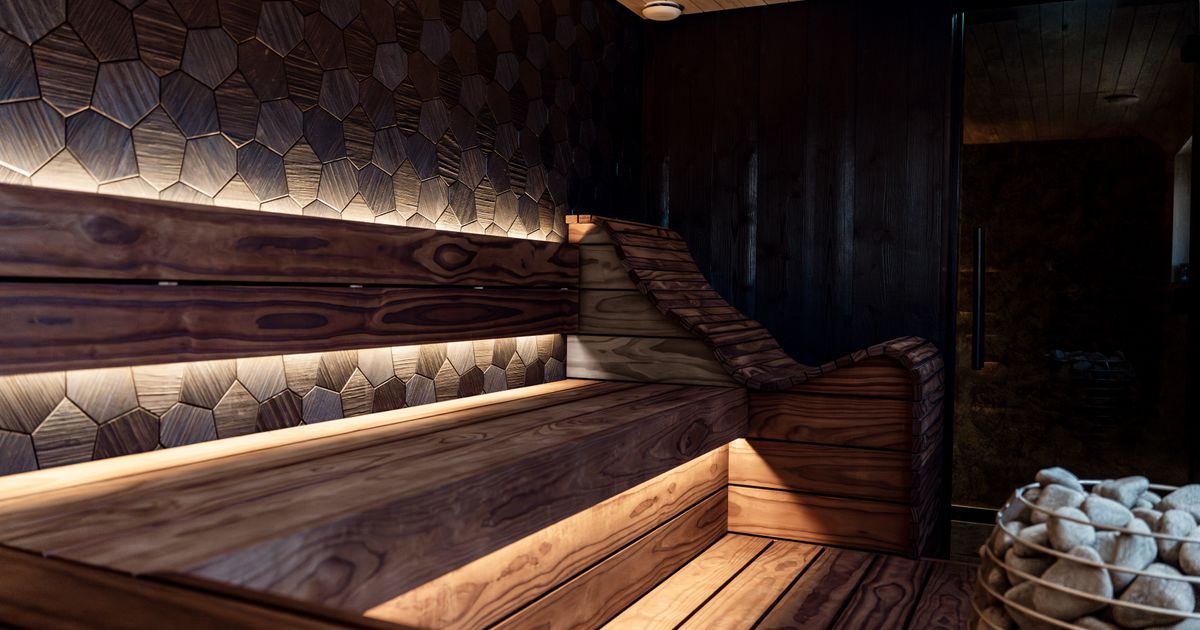
You have options depending on your space and budget. A simple setup uses a cold plunge tub and a hot water source like an infrared sauna or hot tub. A more integrated approach pairs a cold plunge tub with a sauna or steam shower system for seamless alternation.
One advantage of a dedicated home wellness space is convenience. Having contrast therapy equipment at home makes it easier to incorporate a consistent recovery routine into your schedule without traveling to a wellness facility.
Whether you're creating a dedicated home wellness room or upgrading an outdoor retreat, premium contrast therapy equipment can be integrated into a space that's both functional and visually appealing. Many homeowners pair cold plunge tubs with saunas, steam shower systems, hot tubs, and other wellness products to create a personalized recovery environment.
Related: Best Home Contrast Therapy Systems for 2026
Important Safety Considerations
Contrast therapy is generally well-tolerated, but it's not for everyone. If you have cardiovascular conditions, uncontrolled blood pressure, or acute injuries under active medical treatment, talk to your healthcare provider first.
Start with shorter sessions and milder temperatures if you're new to this. Your body will adapt, but rushing into extreme temperatures defeats the purpose. The goal is consistent, sustainable recovery, not dramatic sensation.
Also: don't do contrast therapy when you're dehydrated or immediately after very intense training when your heart rate is still elevated. Give yourself 10-15 minutes to bring your heart rate down, rehydrate, and let your body transition.
Contrast Therapy vs. Other Recovery Modalities
Contrast therapy works well alongside other recovery tools. Many people incorporate contrast therapy alongside other wellness products such as red light therapy, massage chairs, and sauna sessions as part of a broader home wellness routine. Each modality offers a different experience, allowing homeowners to build a recovery space that fits their individual preferences and wellness goals.
Many athletes and active individuals combine different wellness products as part of their regular recovery routine. The best approach depends on your training schedule, personal preferences, and overall wellness goals.
Combining complementary wellness products can help create a convenient home recovery space that supports a consistent wellness routine.
Real-World Athlete Experience
Many professional and recreational athletes include contrast therapy as part of their overall recovery routine. How and when it's used varies depending on the sport, training intensity, and individual preferences.
Many athletes report that incorporating contrast therapy into a consistent recovery routine helps them feel prepared for their next training session. Individual experiences vary, and recovery is influenced by factors such as training, nutrition, sleep, and overall wellness habits.
Many homeowners also appreciate the comfort and convenience of having a dedicated recovery space at home. When wellness products are easily accessible, it can be easier to maintain a consistent recovery routine.
Getting Started with Your Own System
If you're considering adding contrast therapy to your home wellness routine, start by evaluating your available space, lifestyle, and recovery goals. The right setup should fit naturally into your daily routine and be something you'll enjoy using consistently.
Some homeowners begin with a cold plunge tub and later expand their wellness space with a sauna, steam shower system, hot tub, or other complementary wellness products. Building your recovery space over time allows you to create a solution that fits your needs and your home.
Whatever approach you choose, consistency is an important part of any wellness routine. Choosing equipment that's convenient and enjoyable to use can help you maintain healthy habits over time.
As an Authorized Retailer, Prime Regeneration offers premium cold plunge tubs, hot tubs, saunas, steam shower systems, red light therapy products, massage chairs, and other wellness equipment from trusted manufacturers. Our team can help you compare options and create a home wellness space tailored to your lifestyle, available space, and long-term wellness goals.
Related: Best Light Therapy for Home Wellness in 2026
Related: Red Light Therapy Home Equipment Benefits Explained
How long does contrast therapy take to show results?
Many people report noticing changes in how they feel after incorporating contrast therapy into a consistent recovery routine. Individual experiences vary based on factors such as training intensity, frequency of use, sleep, nutrition, and overall wellness habits.
Can contrast therapy replace other recovery methods?
Contrast therapy is best viewed as one part of a well-rounded recovery routine. Contrast therapy is one tool in your recovery toolkit. Sleep, nutrition, and stress management remain foundational. Contrast therapy enhances recovery, not replaces it. Think of it as an amplifier for your existing good habits.
Is contrast therapy safe for existing injuries?
Consult your healthcare provider or physical therapist before using contrast therapy with active injuries. Some injuries benefit from the circulation boost. Others need rest and controlled inflammation initially. A professional can tell you when it's appropriate for your specific situation.
What temperature range is safest for home use?
Many home contrast therapy systems allow you to adjust water temperatures to suit your comfort level and the manufacturer's recommendations. If you're new to contrast therapy, begin with milder temperature differences and shorter sessions before gradually adjusting your routine. Always follow the equipment manufacturer's guidelines for safe operation.