Traditional vs Infrared Sauna for Home: Which Fits Your Wellness Goals

You're thinking about installing a sauna at home, but you're stuck on one question: traditional or infrared? Both promise recovery benefits and that luxurious spa feeling, but they work in completely different ways. The good news is that once you understand how each operates, choosing the right one for your space becomes straightforward.
Whether you're designing a dedicated wellness room or adding a sauna to your home, understanding the differences between traditional and infrared saunas can help you choose the option that best fits your lifestyle and wellness goals.
Let's cut through the marketing noise and talk about what actually matters for your home wellness setup.
In this article
- How Traditional and Infrared Saunas Actually Work
- Speed, Temperature, and the Heat Experience You'll Actually Get
- EMF Exposure and Health Considerations
- Installation: Where These Fit in Your Home
- Which Type Matches Your Wellness Goals
- The Real-World Decision Framework
- Creating Your Home Wellness Setup
How Traditional and Infrared Saunas Actually Work
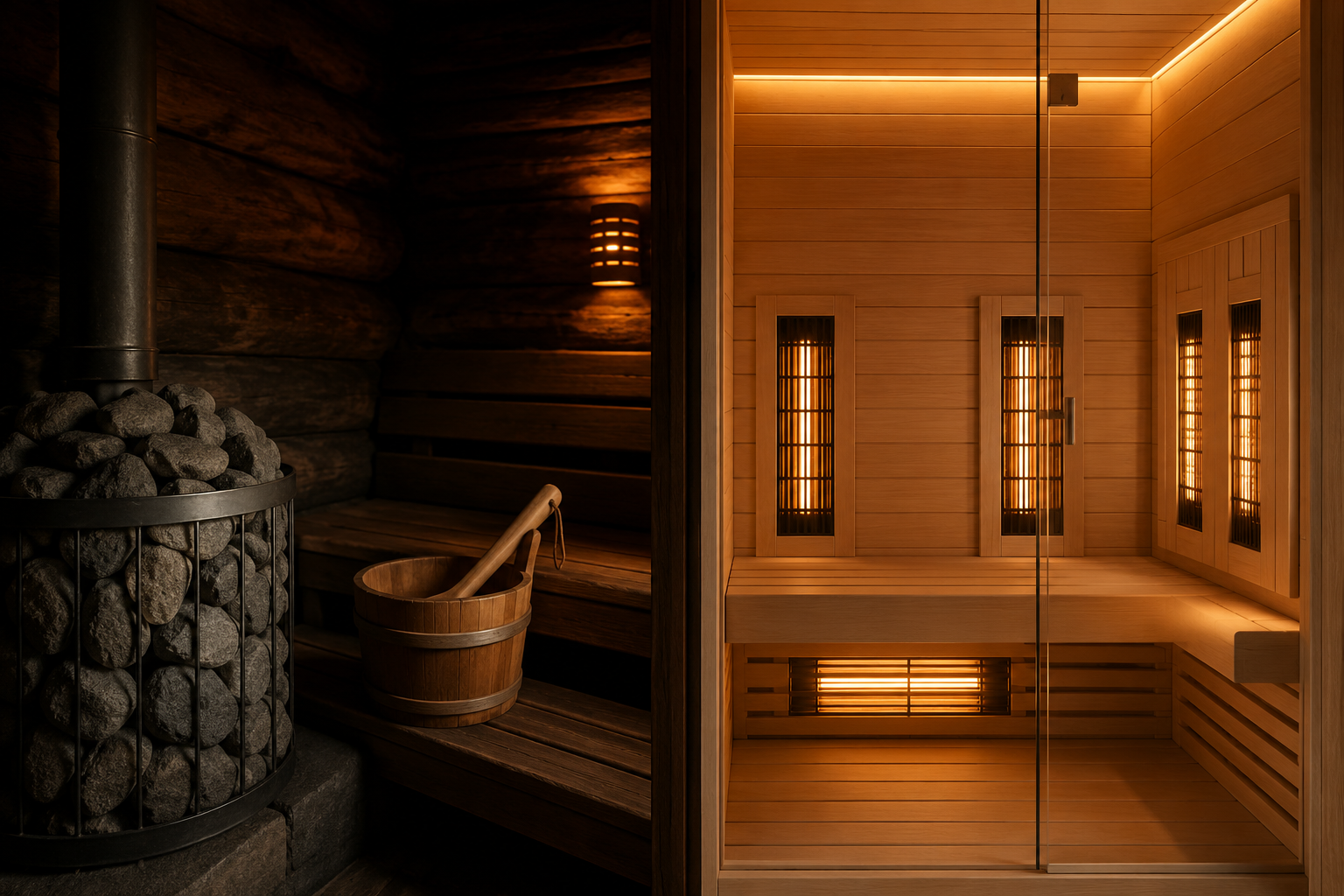
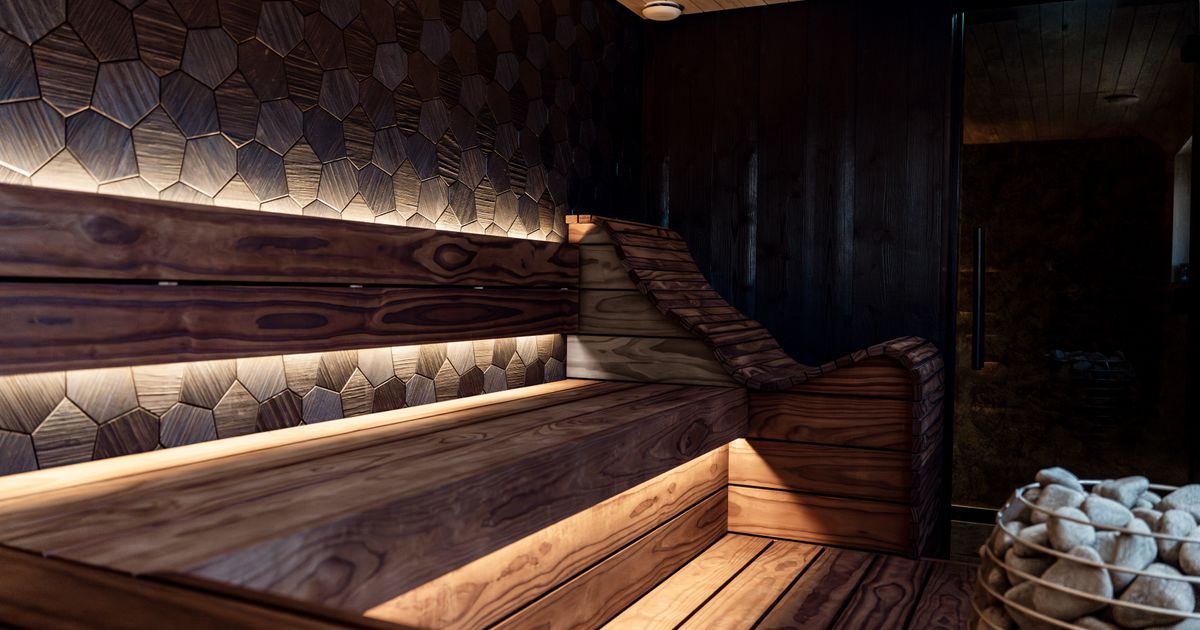
The fundamental difference comes down to heat delivery. A traditional sauna uses a central heater (usually wood-burning or electric) that warms rocks to extreme temperatures, typically 160-195°F. That intense heat warms the air around you, which then warms your body. You're sitting in a very hot room, and that's the experience.
Infrared saunas take a different approach. They use ceramic or metallic panels that emit infrared light wavelengths to directly warm your body without significantly heating the surrounding air. Think of it like how the sun warms your skin without heating the air around you.
Most infrared saunas operate at 120–150°F, creating a comfortable warmth without the higher air temperatures typically experienced in a traditional sauna.
This distinction shapes everything else: installation requirements, time commitment, heat intensity, and how your body responds to the session.
Speed, Temperature, and the Heat Experience You'll Actually Get
If you're impatient (and let's be honest, most homeowners are), infrared saunas win on startup time. You can be experiencing therapeutic warmth in 10-15 minutes. Traditional saunas need 30-45 minutes to reach operating temperature, which requires more planning around your schedule.
Temperature tolerance matters too. Some people love the intense, high-heat experience of a traditional sauna. Others find it overwhelming, especially if they're new to sauna use or prefer gentler daily recovery. Infrared's lower operating temperature makes it more accessible for daily use without the extreme sensation.
That said, traditional saunas deliver that authentic "deep sauna experience" many wellness enthusiasts crave. The hot air penetrates deeply, and many users report that high-temperature environment creates a profound sense of relaxation and ritual.
EMF Exposure and Health Considerations
Some homeowners consider electromagnetic field (EMF) exposure when comparing sauna options. EMF levels can vary depending on the sauna's design, heating technology, and manufacturer. If minimizing EMF exposure is an important consideration for you, compare manufacturer specifications and choose a model that aligns with your preferences.
If you have questions about sauna use in relation to your personal health, consult a qualified healthcare professional. Research on sauna use continues to evolve, and individual needs and preferences may vary.
Installation: Where These Fit in Your Home

Here's where lifestyle and space planning enter the conversation. Traditional saunas need proper ventilation and moisture management because of the steam and high humidity they generate. They require dedicated electrical circuits and sometimes additional HVAC considerations. Indoor installation is possible but demands careful planning.
Infrared saunas are more flexible. They generate minimal moisture and lower temperatures, so they fit more easily into existing spaces like bedrooms, basements, or dedicated wellness rooms. If you're considering an outdoor sauna, both traditional and infrared models are available in a variety of styles. Many homeowners choose traditional barrel or cabin-style saunas for their classic appearance, while infrared models offer flexible installation options for both indoor and outdoor spaces.
Budget-wise, both options exist at various price points. Premium models from quality manufacturers command investment regardless of type, but infrared models often cost less because installation is simpler and doesn't require extensive ventilation work.
Which Type Matches Your Wellness Goals
Your ideal choice depends on how you actually live.
Choose infrared if you: Want daily recovery sessions without a huge time commitment. Prefer gentle, consistent warmth over intense heat. Have limited space or want flexible installation options. Are sensitive to EMF exposure. Are new to sauna use and want a gentler entry point.
Choose traditional if you: Crave the full, immersive sauna ritual and high-temperature experience. Have dedicated space and proper ventilation. Want that authentic sauna house feeling. Prefer wood-burning aesthetics or the ceremonial aspect of traditional sauna culture. Are an experienced sauna user looking for maximum heat intensity.
Some homeowners choose to incorporate both traditional and infrared saunas into different areas of their home, depending on how they plan to use each space. An infrared sauna may be a convenient option for regular sessions, while a traditional sauna can create a more immersive experience for dedicated wellness spaces. Prime Regeneration helps homeowners compare both options and choose the sauna that best fits their space, lifestyle, and long-term wellness goals.
The Real-World Decision Framework
Start by honestly assessing three things:
- Frequency: Will you use this daily (infrared advantage) or a few times weekly (either works)?
- Space and installation: Do you have proper ventilation and dedicated space (traditional), or do you need something flexible (infrared)?
- Experience preference: Do you want the intense, immersive heat ritual (traditional), or consistent, daily recovery warmth (infrared)?
Research continues to explore the effects of sauna use on relaxation and overall wellness. Regardless of the type you choose, the best sauna is the one that fits your lifestyle and that you'll enjoy using consistently.
Creating Your Home Wellness Setup

Once you've chosen your sauna type, think about pairing it with complementary recovery tools. Many homeowners combine a sauna with contrast therapy options like cold plunges for advanced recovery protocols. Others focus on post-sauna relaxation with premium massage seating.
The luxury wellness design approach is about integration. Your sauna becomes part of a cohesive recovery environment that reflects how you actually spend your time and what your body needs.
As an Authorized Retailer, Prime Regeneration offers premium traditional and infrared saunas from trusted manufacturers, backed by manufacturer warranties and expert guidance. Whether you're creating a dedicated wellness room, upgrading your backyard, or adding a sauna to your home, our team can help you compare options and choose the model that best fits your space, lifestyle, and long-term wellness goals.
Can you use an infrared sauna if you have a pacemaker?
Consult your cardiologist or other qualified healthcare professional before using either type of sauna if you have a pacemaker or another implanted medical device. Always follow the guidance provided by your healthcare provider and the sauna manufacturer.
How long should each sauna session be?
Sauna session length depends on the type of sauna, the manufacturer's recommendations, your personal comfort level, and your experience. Many people begin with shorter sessions and gradually increase the duration as they become more comfortable. Always follow the manufacturer's guidelines and listen to your body.
Do infrared saunas require special electrical wiring?
Most residential infrared saunas connect to standard 110V or 220V outlets depending on model size. Traditional saunas often need dedicated 220V circuits. Confirm electrical requirements before purchase and consult an electrician about your home's capacity.
Which sauna is better for weight loss?
Saunas are designed to support relaxation and overall wellness rather than serve as a weight-loss solution. While sauna use increases perspiration during a session, any temporary weight change is primarily due to fluid loss. The best sauna is the one that fits your lifestyle and becomes part of a consistent wellness routine.