Cold Laser Therapy: How It Works & What to Know
Cold laser therapy is a term commonly used for low-level laser therapy, or LLLT. It falls within the broader field of photobiomodulation, which uses low-energy light to interact with biological tissue without relying on the cutting or ablative effects associated with surgical lasers.
Photobiomodulation can be delivered with lasers or light-emitting diodes, depending on the device and application. Research has examined these technologies across a range of clinical and wellness settings, but outcomes depend heavily on wavelength, power, treatment dose, treatment area, and the specific device being used. PubMed
This guide explains how cold laser therapy works, how it differs from common home red-light devices, what researchers have studied, and why the specifications and intended use of the exact device matter.
In this article
- How Cold Laser Therapy Works
- What Has Cold Laser Therapy Been Studied For?
- Cold Laser Therapy vs. Red Light Therapy
- What to Expect During and After Treatment
- What to Consider Before Using Cold Laser Therapy
- Why Device Specifications Matter
- Are Cold Laser Devices FDA Cleared?
- Key Takeaways
- Frequently Asked Questions
How Cold Laser Therapy Works
Cold laser therapy uses low-level red or near-infrared light to deliver light energy to a targeted area. In photobiomodulation research, these wavelengths interact with cellular structures and signaling pathways. PubMed
The term “cold” refers to the relatively low-energy approach compared with surgical lasers. The goal is not to cut or intentionally damage tissue.
Treatment effects cannot be predicted from wavelength alone. Power output, energy dose, exposure time, treatment distance, beam characteristics, and the tissue being exposed can all influence how a particular protocol performs. Research reviews specifically note substantial variation in treatment parameters across studies. PubMed
This is why results from one cold-laser device or clinical study should not automatically be applied to a different laser, LED panel, wearable, or consumer wellness device.
What Has Cold Laser Therapy Been Studied For?
Low-level laser therapy and photobiomodulation have been studied in a wide range of clinical settings. Research has examined applications involving musculoskeletal conditions, dermatology, exercise and recovery, and other areas. However, the strength and consistency of evidence vary considerably by application and treatment protocol. PubMed
Even within a single research area, studies may use different wavelengths, power levels, energy doses, treatment schedules, and devices.
For consumers, the important distinction is that evidence for a particular clinical protocol does not establish that every product marketed as a “cold laser” will produce the same outcome.
Cold Laser Therapy vs. Red Light Therapy
Cold laser therapy and red light therapy are related because both can fall under the broader photobiomodulation category, but the devices are not necessarily the same.
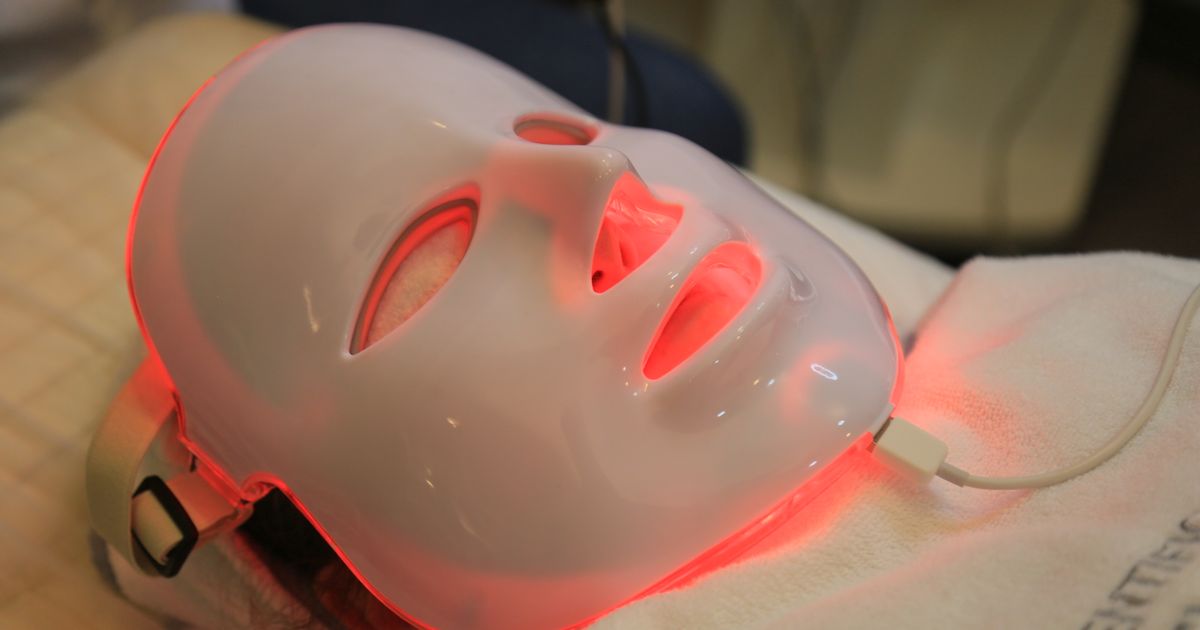
Low-level laser systems generally deliver light in a more targeted manner, while many home red-light devices use LEDs to provide broader coverage through panels, masks, mats, or other formats.
Importantly, LEDs are also used in photobiomodulation research, so the distinction is not simply “laser equals treatment” and “LED equals wellness.” The performance of either technology depends on wavelength, output, dose, treatment time, and intended use. PubMed
If you are comparing cold laser therapy with home red-light equipment, think of them as related light-based technologies with different device designs and intended uses rather than interchangeable products.
For a broader explanation of home LED systems, see our Does Red Light Therapy Work? guide.
What to Expect During and After Treatment
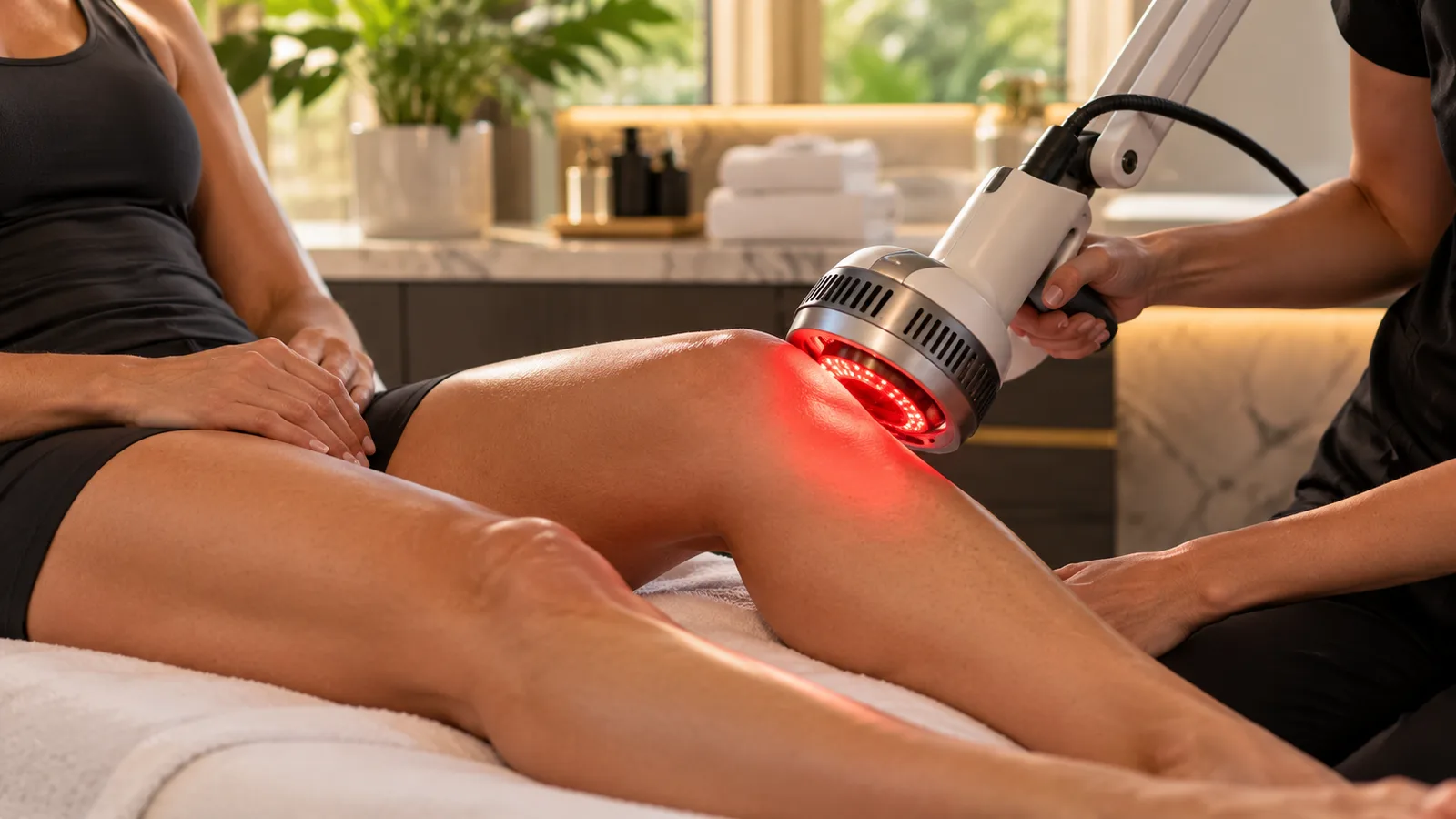
What a cold laser session looks like depends on the device and its intended use. Professional systems may be positioned directly over or near a specific treatment area, while other light-based systems use different delivery methods.
Session length, frequency, treatment distance, and total number of sessions vary by device and protocol. There is no single schedule that applies to every cold laser system.
If a cold laser is being used for a medical purpose, follow the instructions for the specific device and the guidance of the treating healthcare professional rather than using a generic treatment schedule found online.
What to Consider Before Using Cold Laser Therapy
Before using a cold laser or other photobiomodulation device, first identify exactly what type of equipment it is and what the manufacturer says it is intended to do.
Review the wavelength, output specifications, treatment instructions, safety warnings, and regulatory information supplied with the device.
Some low-level light devices are regulated medical devices with specific intended uses, while others are marketed for general wellness or cosmetic applications. Regulatory status should always be checked for the exact product rather than assumed from the words “cold laser” or “light therapy.”
If you are considering cold laser therapy for pain, injury, or another medical concern, discuss the specific treatment and device with a qualified healthcare professional.
If you are exploring home-use LED equipment instead, our Red Light Therapy at Home guide covers device setup, placement, and safety considerations.
For larger-coverage LED systems, see our Full Body Red Light Therapy: Complete Home Guide.
Why Device Specifications Matter
Cold laser and photobiomodulation studies use carefully defined treatment parameters. Wavelength is only one part of the equation.
Other factors may include:
- Power output
- Energy dose
- Treatment duration
- Distance from the treatment area
- Size of the area exposed
- Laser or LED configuration
- Frequency of treatment
Reviews of photobiomodulation research have noted substantial differences in treatment parameters between studies, which is one reason results should not be generalized from one device or protocol to another.
Are Cold Laser Devices FDA Cleared?
Some low-level light and laser devices may be regulated for specific intended uses. FDA status is device-specific, so a clearance or authorization associated with one product should not be interpreted as applying to every product described as cold laser therapy.
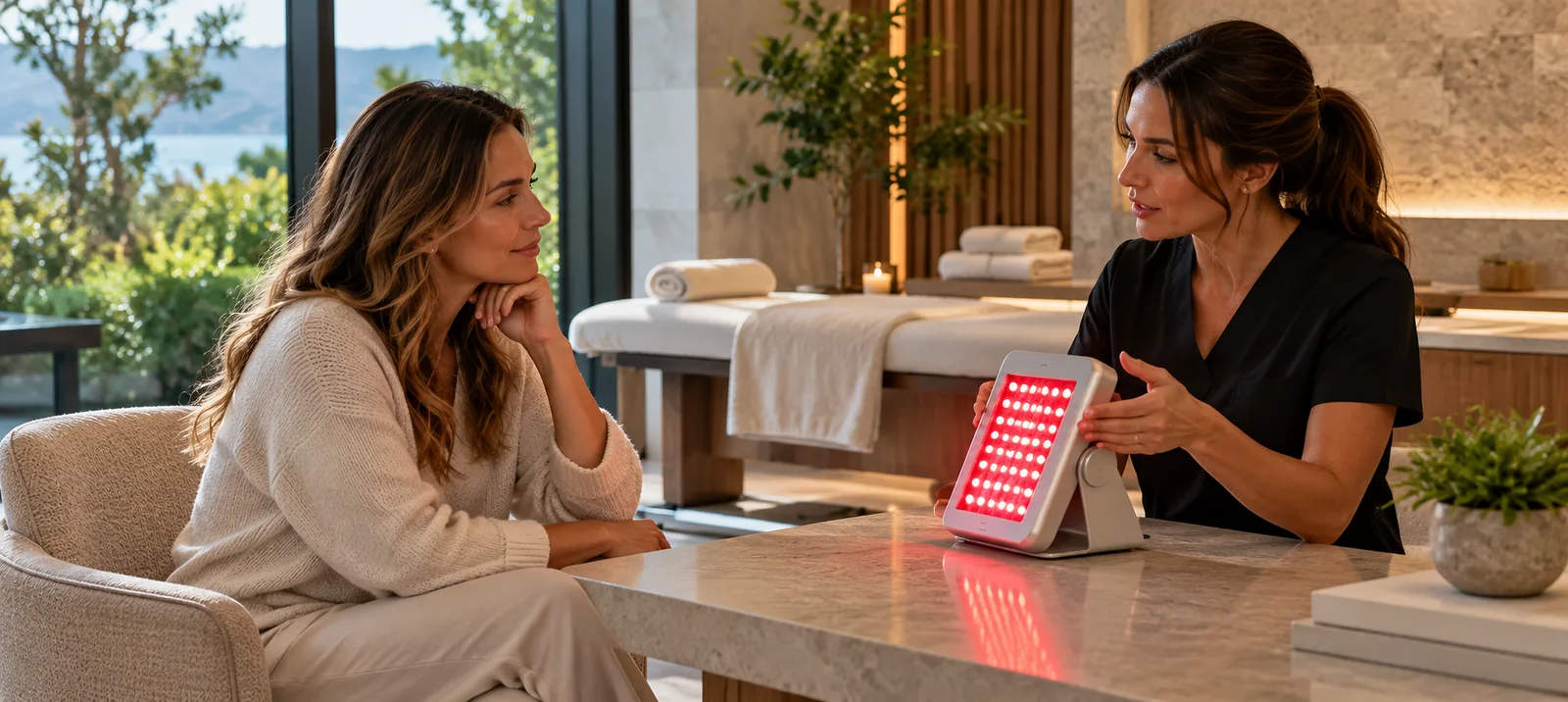
This distinction is especially important when comparing professional equipment with consumer light-therapy devices. Always review the labeling and regulatory information for the exact product rather than relying on general claims about cold laser therapy.
Key Takeaways
- Cold laser therapy is a form of low-level light therapy within the broader field of photobiomodulation.
- Photobiomodulation can involve lasers or LEDs depending on the device and application.
- Wavelength, output, dose, treatment time, and device design can all affect a protocol.
- Research results from one device should not automatically be applied to another light-therapy product.
- Professional cold-laser systems and home LED red-light devices are related technologies but are not necessarily interchangeable.
- For medical applications, follow the instructions for the specific device and guidance from a qualified healthcare professional.
Frequently Asked Questions
Is cold laser therapy the same as red light therapy?
Cold laser therapy and red light therapy are related but are not necessarily the same type of device. Both may fall within the broader field of photobiomodulation and may use red or near-infrared wavelengths. Cold laser systems use laser light, while many home red-light devices use LEDs. Device design, wavelength, output, treatment dose, and intended use all matter.
Is cold laser therapy the same as photobiomodulation?
Cold laser therapy, or low-level laser therapy, is one form of photobiomodulation. Photobiomodulation is the broader term and may involve either lasers or LEDs depending on the device and application. PubMed
Does cold laser therapy use heat?
Cold laser therapy uses relatively low-energy light compared with surgical lasers and is not designed to cut or ablate tissue. This low-energy approach is the basis for the commonly used term “cold laser.”
Are cold laser devices FDA cleared?
Regulatory status varies by individual device and intended use. Some light- or laser-based devices may have FDA clearance for particular applications, but that does not mean all cold-laser products have the same regulatory status. Check the documentation for the exact device you are considering.
Can cold laser therapy be done at home?
Some light-based devices are sold for home use, while other laser systems are intended for professional or clinical settings. Follow the labeling and intended use of the specific device rather than assuming that a professional treatment protocol can be reproduced with a consumer product.
What wavelengths are used in cold laser therapy?
Cold laser and photobiomodulation research commonly involves red and near-infrared wavelengths, but exact wavelengths vary by device and application. The manufacturer's specifications are more useful than relying on a single universal wavelength.