

Red Light Therapy Benefits: What to Know for Home Use

In this article
- Understanding Red Light Therapy Benefits
- Potential Red Light Therapy Benefits and Applications
- How Red Light Therapy Works
- How to Choose Red Light Therapy Devices for Your Home
- Using Red Light Therapy Devices at Home
- Integrating Red Light Therapy Into a Home Wellness Space
- Important Notice
- Frequently Asked Questions About Red Light Therapy
Understanding Red Light Therapy Benefits
Red light therapy uses specific wavelengths of visible red light and, in some devices, near-infrared light. It is also referred to as photobiomodulation in some research and clinical settings.
Interest in red light therapy has grown as panels, masks, pads, wearable devices, and other formats have become available for home use. These products are marketed for a variety of cosmetic, wellness, and therapeutic applications, but the strength of evidence is not the same for every claimed benefit.
Research has examined red and near-infrared light for areas including skin appearance, hair growth, exercise recovery, and other applications. Results vary according to the condition being studied, device, wavelength, light output, treatment area, duration, and study design.
It is also important to distinguish between general wellness products and devices that have received FDA clearance for a specific intended use. FDA clearance for one device or application does not mean every red light therapy product is cleared or proven for the same purpose.
This guide explains commonly discussed red light therapy benefits, where research is still developing, and what to consider when comparing devices for home use.
Potential Red Light Therapy Benefits and Applications
Red light therapy has been studied for a variety of cosmetic, wellness, and therapeutic applications. The evidence differs considerably depending on the specific use and device.
Skin Appearance
Red light therapy has been studied for cosmetic skin applications, including the appearance of fine lines and wrinkles and other aspects of skin appearance.
Some light-based devices have received FDA clearance for specific cosmetic indications. This does not mean that every red light therapy device has been evaluated or cleared for those same uses.
When comparing a device for facial or skin use, review its stated intended use, wavelengths, positioning instructions, treatment area, and manufacturer documentation.
Hair and Scalp Applications
Red and low-level light devices have also been studied for certain types of hair loss, and some specific devices have received FDA clearance for hair-growth indications.
Results from one device should not be generalized to every red light therapy hat, helmet, cap, or panel. Consumers should check the exact intended use and regulatory status of the product they are considering.
Exercise and Recovery Research
Photobiomodulation has been studied in exercise and recovery research, including its potential relationship to muscle performance, soreness, and recovery.
Research findings vary, however, and study protocols often use specific wavelengths, doses, timing, and equipment that may differ from consumer products.
A home red light therapy device should therefore be used according to its manufacturer instructions rather than as a substitute for a professionally prescribed rehabilitation or recovery program.
Other Areas of Research
Red and near-infrared light are being studied for additional applications, but the quality and amount of evidence vary substantially.
Consumers should be cautious of products that promise broad results for numerous unrelated conditions. Claims should be evaluated based on the specific device, its intended use, manufacturer documentation, and applicable regulatory status.
How Red Light Therapy Works
Red light therapy delivers specific wavelengths of light to an exposed treatment area. In research settings, this process is often referred to as photobiomodulation.
Scientists are studying how red and near-infrared wavelengths may influence biological processes at the cellular level. Proposed mechanisms include interactions involving cellular energy production and signaling, but the exact response depends on factors such as wavelength, dose, treatment time, tissue type, and device design.
Red and near-infrared light are not interchangeable, and there is no single wavelength or treatment protocol that applies to every device or intended use.
For home equipment, follow the manufacturer's specifications for:
- Wavelengths
- Treatment distance
- Session duration
- Frequency
- Treatment area
- Eye protection
- Positioning
- Contraindications and warnings
More light or longer sessions should not automatically be assumed to provide better results.
How to Choose Red Light Therapy Devices for Your Home
Not all red light devices are created equal. When evaluating options, consider these factors:
- Wavelengths: Review the exact red and near-infrared wavelengths provided by the manufacturer. Different devices use different wavelength combinations depending on their design and intended use.
- Light output: Compare manufacturer-published information such as irradiance or other output specifications when available. Check the distance at which those measurements were taken.
- Coverage area: Consider how much of the body the device can illuminate at the recommended positioning distance.
- Device format: Panels may provide broader coverage, while masks, pads, wraps, hats, and handheld devices are designed for more specific areas or uses.
- Positioning requirements: Check the recommended treatment distance and whether the device requires a stand, wall mount, tabletop placement, or direct contact with the body.
- Controls: Depending on the model, controls may include timers, wavelength selection, intensity settings, pulsing options, or preset programs.
- Eye-safety instructions: Review whether the manufacturer recommends or requires eye protection for your particular device.
- Warranty and documentation: Compare warranty terms, manufacturer instructions, intended use, and available product documentation before purchasing.
When you're ready to explore options, Red Light Therapy devices at Prime Regeneration are available with manufacturer support and specifications. Our selection includes devices with published specifications and warranty information.
Using Red Light Therapy Devices at Home
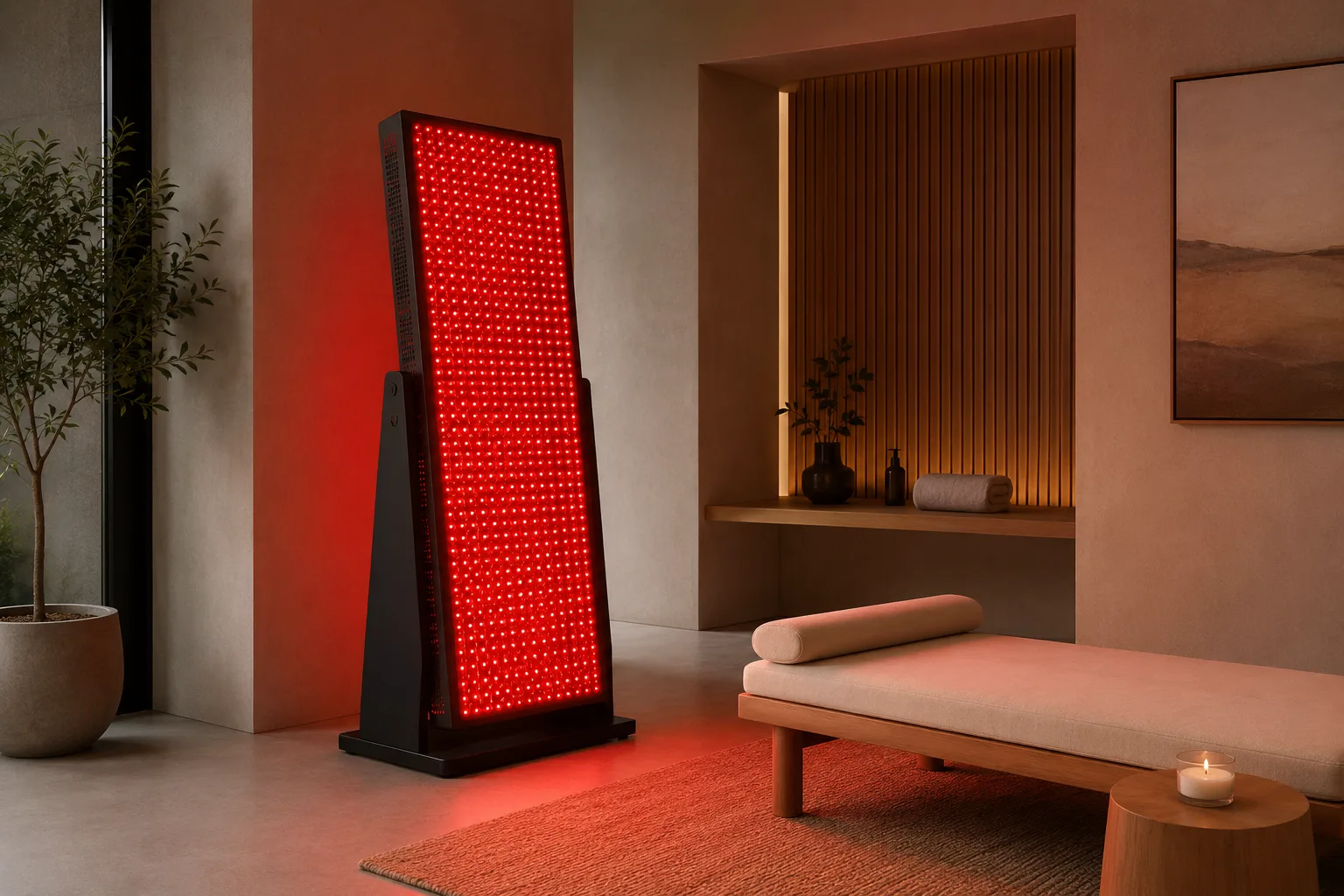
There is no universal red light therapy schedule that applies to every device.
Recommended treatment distance, duration, frequency, and positioning depend on the product and its intended use. A facial mask, flexible body pad, wearable device, and large full-body panel may all have very different operating instructions.
Before beginning use:
- Read the complete manufacturer instructions
- Follow the recommended positioning distance
- Follow stated session-duration limits
- Use eye protection when instructed
- Keep ventilation openings unobstructed
- Inspect the device and cables before use
- Follow any contraindications or warnings provided by the manufacturer
Do not increase treatment time, frequency, or intensity simply because a device appears comfortable to use.
Results and individual experiences can vary, and home red light therapy equipment should not be used as a substitute for professional medical evaluation or treatment.
Integrating Red Light Therapy Into a Home Wellness Space
Red light therapy devices can range from compact masks and wearable equipment to large panels that require dedicated floor or wall space.
Before choosing a location, consider:
- Device dimensions
- Recommended treatment distance
- Electrical access
- Ventilation requirements
- Stand or mounting requirements
- Space needed to position the body comfortably
- Storage when the device is not in use
- Manufacturer restrictions regarding heat, moisture, and humidity
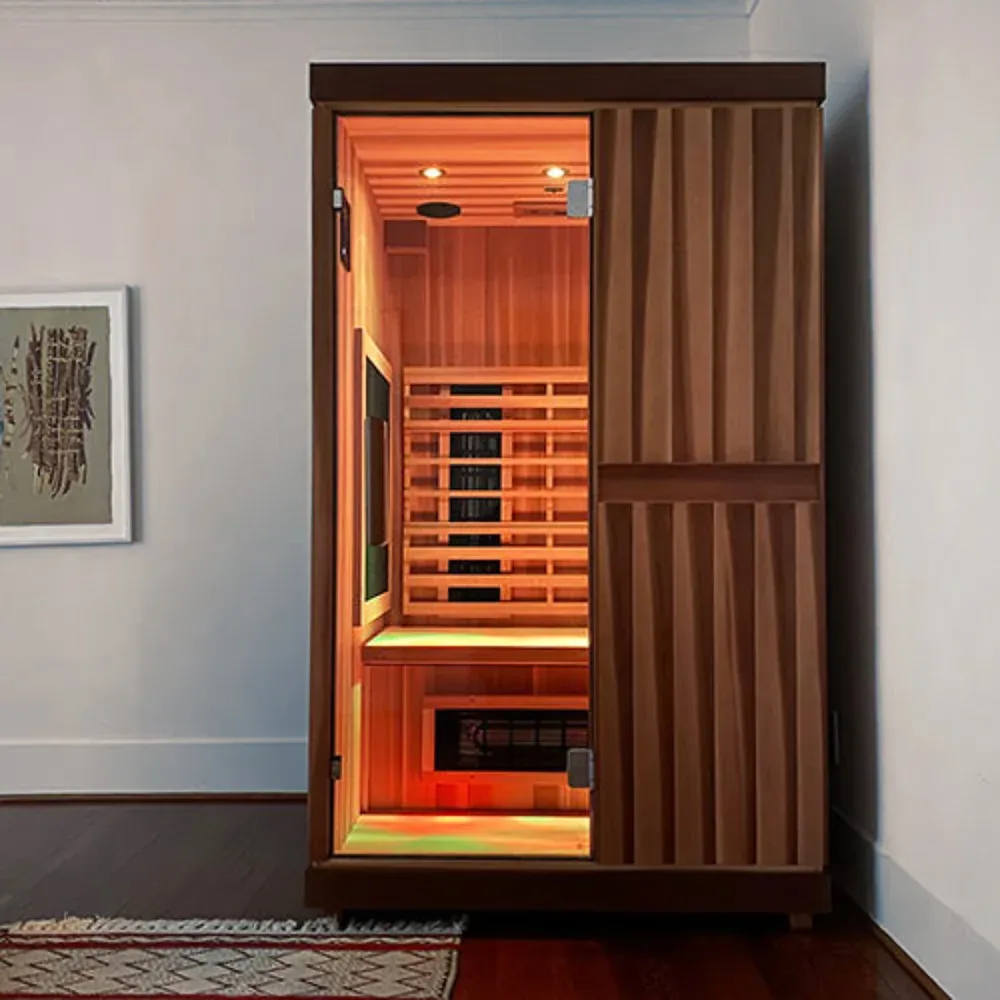
If your wellness room also contains a sauna, steam shower, cold plunge, or other equipment, treat each product as a separate system and follow its individual installation and operating requirements.
Do not place or operate a standard red light therapy device inside a sauna, steam shower, or other high-heat or high-humidity environment unless the manufacturer specifically approves that use.
Explore Red Light Therapy Devices at Prime Regeneration to compare product formats, specifications, features, and manufacturer warranty information.
Important Notice
This article is provided for general informational and product-comparison purposes only. It is not medical advice and should not be used to diagnose, treat, cure, or prevent any disease or medical condition.
Research findings for red light therapy and photobiomodulation vary depending on the application, device, wavelength, dose, treatment protocol, and study design. Results reported in clinical research should not automatically be assumed to apply to every consumer red light therapy product.
Follow the instructions supplied with your specific device, including recommendations for treatment distance, duration, frequency, positioning, eye protection, and contraindications.
Consult a qualified healthcare professional before use if you are pregnant, have an eye or skin condition, take medications that may cause photosensitivity, are undergoing medical treatment, or have questions about whether red light therapy is appropriate for you.
FDA clearance, when applicable, relates to a specific device and intended use. It should not be interpreted as approval of every claimed benefit associated with red light therapy.
Product specifications, regulatory status, intended uses, warranties, and manufacturer instructions may change. Review current documentation for the specific product you are considering.
Frequently Asked Questions About Red Light Therapy


