

Indoor vs Outdoor Sauna: Which Is Right for Your Home?
The choice between an indoor and outdoor sauna isn't one-size-fits-all. Both provide heat exposure in different settings, but the experience, maintenance demands, and practical realities differ significantly. Here's what you need to know to make the right call for your home.
In this article
- Indoor vs Outdoor Sauna: The Core Difference
- Why Indoor Saunas Win on Convenience
- Maintenance Reality: Indoor Durability vs Outdoor Weather Resistance
- The Experience Factor: Where Outdoor Saunas Excel
- Installation and Space Considerations
- Cost Breakdown: Initial Investment and Long-Term Spend
- How Often You Plan to Use It
- Traditional vs Infrared: A Separate Decision
- How to Choose: Your Decision Framework
- Making the Investment: Product Information and Support
- FAQs
Indoor vs Outdoor Sauna: The Core Difference
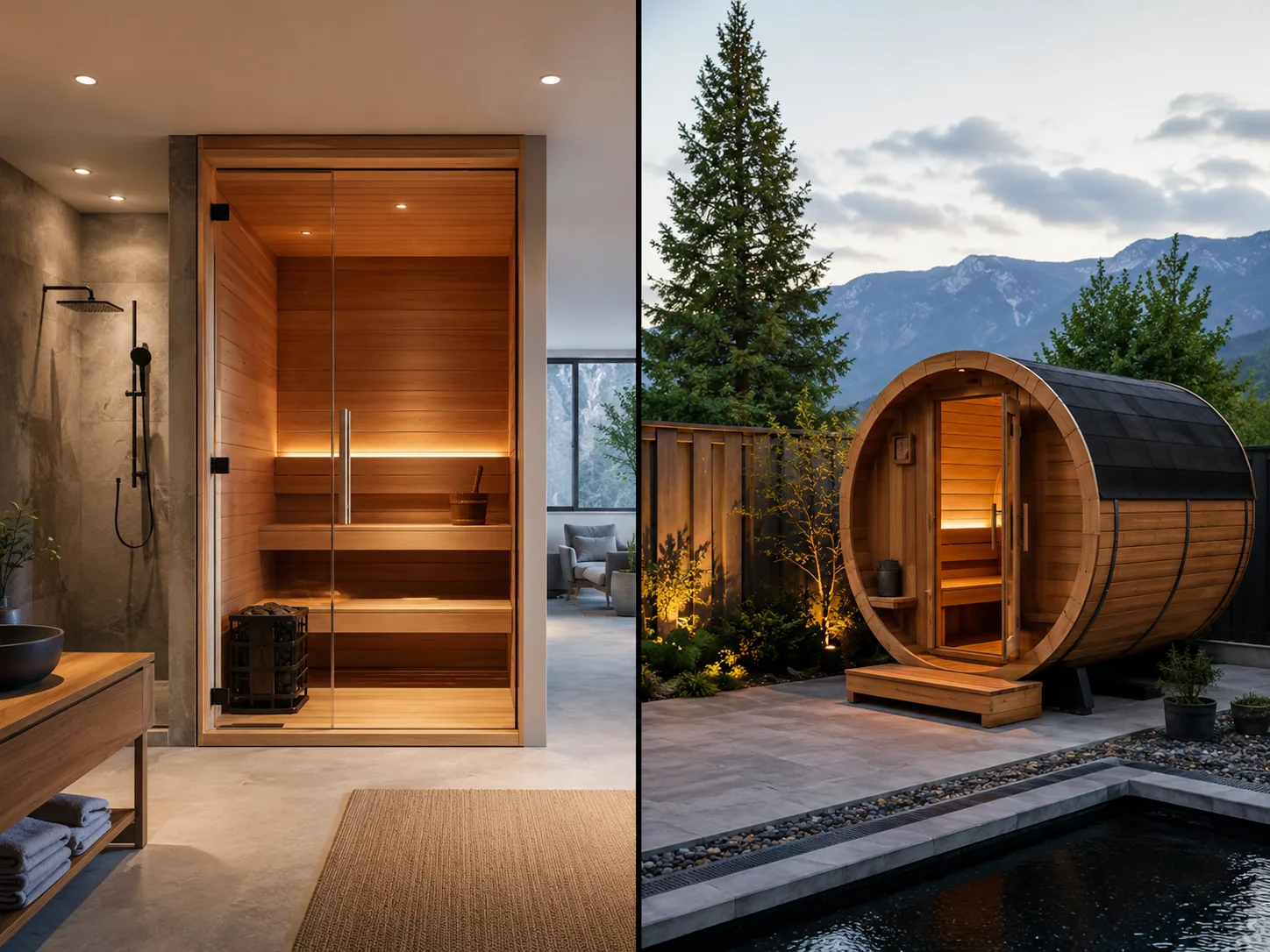
An indoor sauna sits inside your home, basement, or attached structure. An outdoor sauna is freestanding in your yard or garden. That simple distinction cascades into real differences in how you use them, how long they last, and what you get out of the experience.
An indoor sauna is installed within a climate-controlled space such as a home gym, basement, spare room, or dedicated wellness room. An outdoor sauna is designed for exterior installation and typically uses materials and construction methods intended to withstand changing weather conditions.
Indoor models can offer easier everyday access, while outdoor models allow homeowners to create a separate backyard wellness space without using interior square footage. Neither option is universally better—the right choice depends on your available space, preferred sauna style, installation requirements, and how you expect to use it.
Why Indoor Saunas Win on Convenience
Indoor saunas are genuinely practical. You walk downstairs or across a hallway, step inside, and enjoy heat without leaving your home. When you're done, a shower is usually steps away. No weather delays. No trudging through snow or rain in your towel.
Compact indoor models like the SaunaLife Model X2 fit into tight spaces, making them ideal for homes where outdoor square footage is limited or non-existent.
Indoor sauna installation can sometimes be simpler because the structure is protected by the existing building, but total installation cost depends on the sauna model, electrical requirements, site preparation, flooring, ventilation, and heater selection. Many indoor sauna kits use prefabricated panels or modular construction, which can simplify assembly compared with building a custom sauna room.
If you plan to use your sauna multiple times per week, the friction-free access of an indoor setup becomes a real lifestyle advantage. It removes barriers to regular use.
Maintenance Reality: Indoor Durability vs Outdoor Weather Resistance
Indoor saunas are generally protected from direct rain, snow, UV exposure, and large outdoor temperature swings. Their maintenance is therefore focused primarily on keeping the interior clean, dry, and properly ventilated.
Outdoor saunas are designed for exterior use, but their exterior materials remain exposed to weather. Maintenance requirements depend on the wood species, roof system, finish, climate, and manufacturer instructions. Periodic inspection of the roof, exterior wood, doors, glass, fasteners, and drainage areas can help identify maintenance needs early.
Always follow the manufacturer's care instructions rather than applying generic wood treatments, sealants, or finishes that may not be approved for the sauna.
The Experience Factor: Where Outdoor Saunas Excel
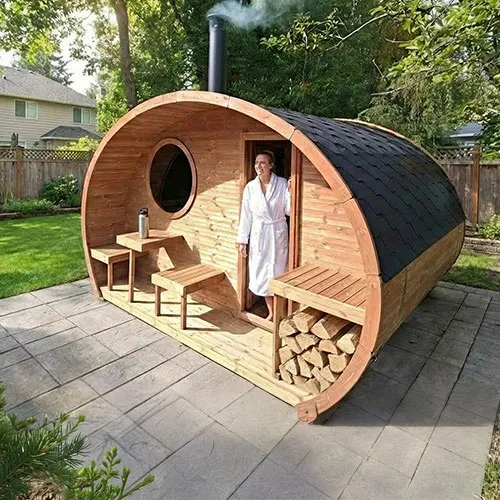
If you want the full sauna experience, outdoor offers a different environment.
Outdoor saunas allow for more thoughtful design if you have space. You can create a dedicated wellness space in your yard. Imagine sitting in a barrel or cabin with views, surrounded by trees, with privacy and fresh air.
Models like the SaunaLife Model G6 offer pre-assembled options that deliver an immersive outdoor environment without requiring construction expertise.
Outdoor sauna cabins and barrels also provide more flexibility for homeowners who want a dedicated sauna environment separated from the main living space. Depending on the model, this can include larger bench layouts, panoramic glass, porches, changing areas, or traditional barrel and cabin designs.
Installation and Space Considerations
Indoor saunas require a suitable climate-controlled installation area, sufficient clearances, and electrical service matched to the selected heater. The surrounding room must also have adequate ventilation to manage the warm air and moisture generated during sauna use.
Outdoor saunas require a stable, level foundation or support surface along with appropriate electrical service unless a compatible wood-burning heater is used.
Before choosing a traditional electric sauna, review our sauna heater sizing guide to help match heater output to the sauna room.
Drainage, access, required clearances, local building requirements, and final placement should all be considered before purchase.
Space constraints often decide this debate. No yard? Indoor is your answer. Ample yard but limited indoor room? Outdoor makes sense.
Cost Breakdown: Initial Investment and Long-Term Spend
Sauna cost depends more on size, materials, heating system, construction style, and included features than on whether the sauna is indoors or outdoors.
Compact indoor sauna kits may be less expensive than large outdoor cabins, while premium combination indoor saunas can cost more than smaller outdoor barrel or cube models. Outdoor installations may also require additional site preparation, foundations, electrical runs, roofing components, or delivery planning.
Compare the complete installed cost rather than the sauna price alone.
Long-term maintenance also varies by sauna type, materials, climate, and manufacturer recommendations. Indoor saunas are generally protected from direct weather exposure, while outdoor models may require additional exterior inspection and care over time.
When comparing sauna options at Prime Regeneration, look beyond the initial product price and consider heater requirements, electrical work, site preparation, delivery, assembly, and any foundation or installation costs.
How Often You Plan to Use It
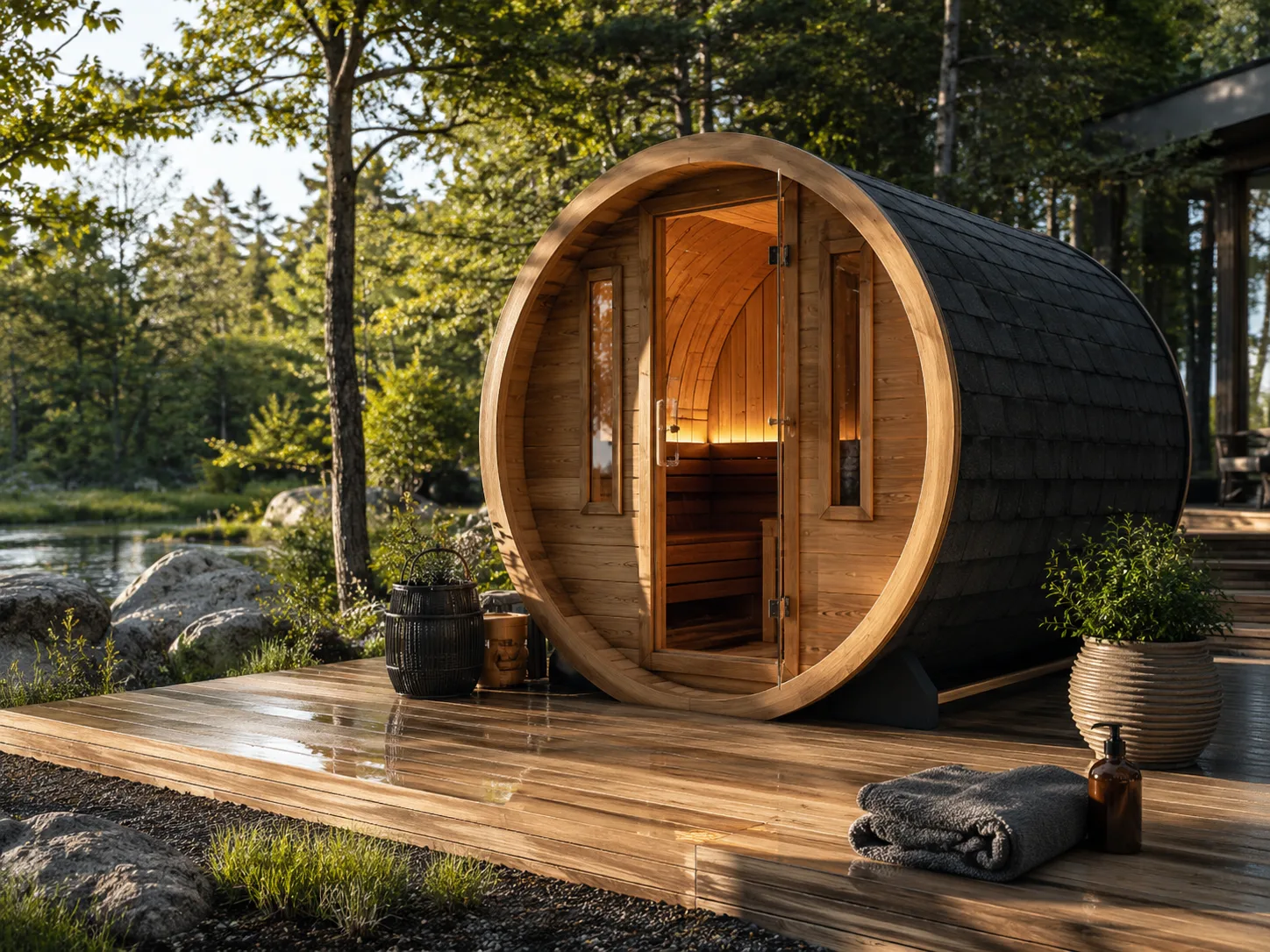
Convenience can influence how easily a sauna fits into your routine. An indoor sauna may appeal to homeowners who want immediate access from a bedroom, gym, or wellness room without going outdoors.
An outdoor sauna creates more separation from the home and can make sauna use feel like a dedicated retreat. For some buyers, that added experience is part of the appeal rather than an inconvenience.
Think about the route from your home to the sauna, proximity to a shower or cold plunge, weather conditions in your area, and whether you prefer a sauna integrated into your house or located in a separate wellness space.
Traditional vs Infrared: A Separate Decision
Indoor versus outdoor location is separate from the question of sauna heating type. Indoor saunas are available in traditional electric, infrared, and combination configurations. Outdoor saunas commonly use electric or wood-burning traditional heaters, depending on the sauna and installation.
Traditional sauna heaters warm the sauna room and typically allow water to be poured over heated stones when the manufacturer permits it. Infrared saunas use infrared emitters that directly warm the body and operate differently from a traditional heated sauna room.
Combination models such as the Finnmark FD-5 Trinity provide both infrared and traditional sauna heating within an indoor cabin, giving buyers more flexibility in one unit.
How to Choose: Your Decision Framework
Choose indoor if:
- You have suitable climate-controlled interior space
- You want convenient access from your home
- You prefer protection from outdoor weather
- You want a sauna integrated into a home gym, bathroom, or wellness room
- A compact footprint is important
- You prefer generally lower exterior-maintenance requirements
Choose outdoor if:
- You have suitable yard, patio, or garden space
- You do not want to use interior square footage
- You want a standalone backyard wellness environment
- You prefer barrel, cube, or outdoor cabin designs
- You want the sauna near an outdoor shower, cold plunge, pool, or patio
- You are comfortable with the exterior maintenance required for your climate and sauna model
Making the Investment: Product Information and Support
Once you've decided between indoor and outdoor installation, compare the actual sauna models based on dimensions, capacity, heater requirements, electrical specifications, materials, ventilation, installation needs, warranty, and delivery requirements.
Prime Regeneration offers both indoor and outdoor sauna options and provides access to manufacturer specifications, installation documentation, sizing information, and warranty details to help buyers compare models before purchasing.
The best sauna is not simply indoor or outdoor—it is the sauna that fits your available space, preferred heating experience, installation requirements, and home wellness plans.
If you are still comparing sauna types, our guide on how to choose a home sauna walks through size, heating style, installation, and other buying considerations.
FAQs
Do indoor saunas need ventilation?
Yes. Indoor saunas require proper ventilation, but the exact ventilation design depends on the sauna and heater manufacturer. Some sauna kits incorporate dedicated intake and exhaust vents, while the surrounding installation room may also need adequate airflow to manage heat and humidity. Follow the ventilation instructions for both the sauna and selected heater.
Can you put an outdoor sauna under a covered patio?
Possibly, depending on the sauna model, heater, structure, and required clearances. A covered installation must still comply with the sauna and heater manufacturer's clearance, ventilation, electrical, and fire-safety requirements. Before placing an outdoor sauna beneath a roof, pavilion, or other structure, confirm the specific installation requirements for that model and check applicable local codes.
How long does an indoor sauna last?
LSauna lifespan depends on construction materials, installation quality, climate, frequency of use, and maintenance. Indoor models are protected from direct weather exposure, while outdoor models require exterior care appropriate to their materials and environment. Review the manufacturer's warranty and maintenance instructions for the specific sauna you are considering.
Is an outdoor sauna a good property investment?
An outdoor sauna can enhance a home's wellness amenities and may appeal to certain buyers, but there is no guaranteed return on investment. Its effect on property value depends on the local market, quality of installation, condition, and buyer preferences. It is best viewed primarily as a lifestyle and wellness upgrade rather than a guaranteed financial investment.


