

Best Outdoor Saunas for 2026: Complete Buying Guide

You're ready to transform your backyard into a dedicated space for relaxation, sauna bathing, and time with family or friends. An outdoor sauna can become a permanent part of your backyard, but choosing the right model requires more than comparing appearance and price.
The best outdoor sauna for your property depends on factors including heat type, construction materials, size, heater requirements, climate, installation needs, delivery access, warranty coverage, and budget.
Keep the existing link on outdoor sauna going to your Outdoor Saunas collection.
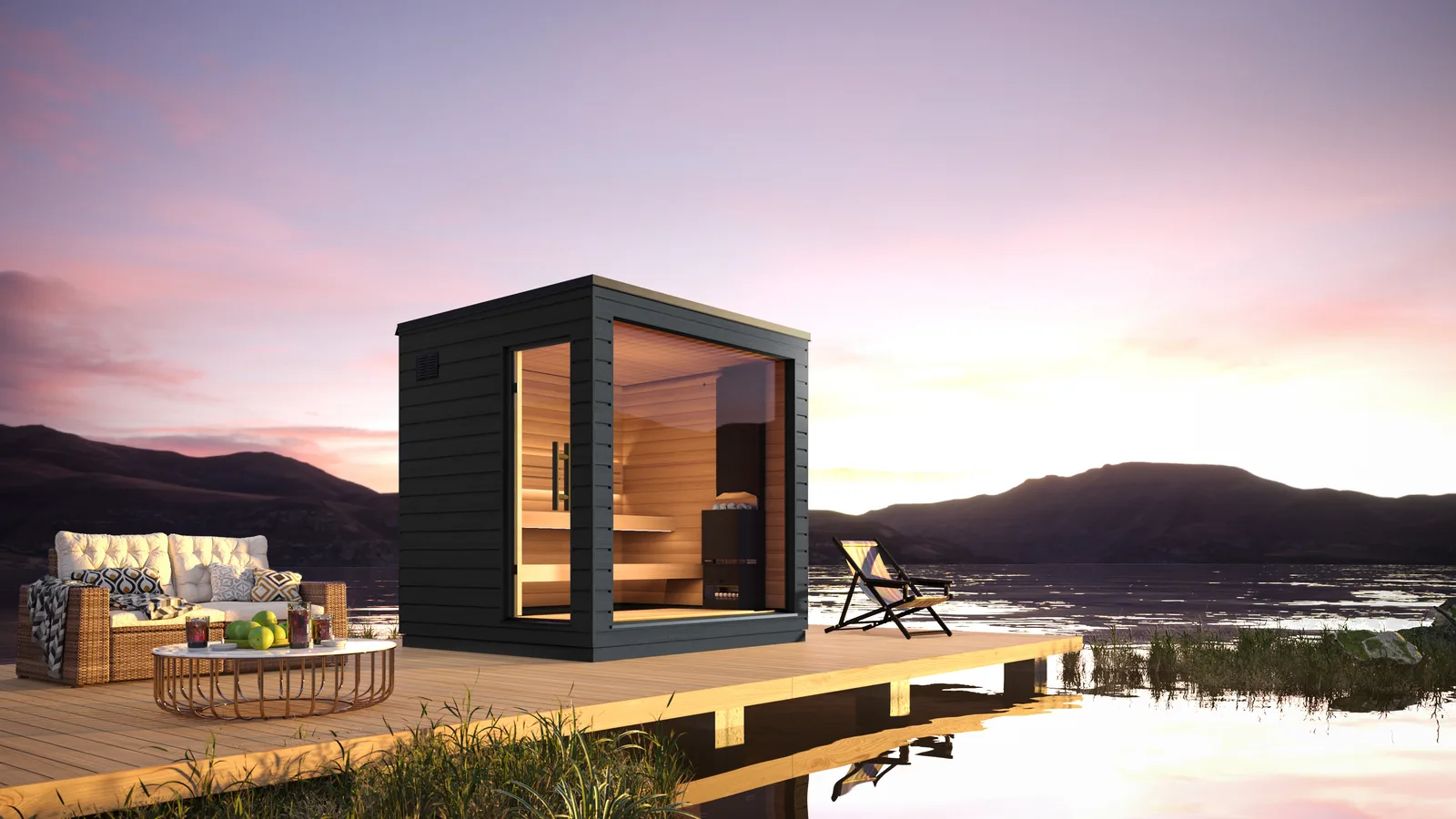
This guide explains the major outdoor sauna styles, heating options, materials, sizing considerations, electrical requirements, installation factors, maintenance needs, warranties, and costs so you can compare models more confidently.
In this article
- Understanding Sauna Heat Types
- Outdoor Sauna Styles to Consider
- Size, Layout, and Space Planning
- Choosing the Correct Sauna Heater Size
- Installation and Electrical Requirements
- Maintenance and Ongoing Care
- Comparing Brands and Warranty Support
- Outdoor Sauna Brands to Compare
- Budget Considerations and Value
- Local Codes and Property Restrictions
- Outdoor Sauna Buying Checklist
- Before choosing an outdoor sauna, confirm:Exterior dimensions and available installation spaceInterior dimensions and realistic seating capacitySauna style: cube, cabin, barrel, garden, or another configurationTraditional electric, wood-burning, or infrared heatRecommended heater output and room-volume rangeElectrical or chimney requirementsExterior and interior construction materialsRoof and weather-protection requirementsFoundation or site-preparation requirementsShipping dimensions and total shipment weightCurbside delivery and unloading requirementsAssembly requirementsLocal permit and setback requirementsManufacturer warrantyReplacement-part and dealer supportTotal cost including heater, controls, stones, electrical work, delivery, and installation
- Important Notice
Understanding Sauna Heat Types
The heating system affects sauna temperature, warm-up time, electrical requirements, maintenance, and the overall sauna experience. The three primary residential options are traditional electric, wood-burning, and infrared.
Traditional Wood-Burning Saunas use a wood-fired sauna stove to heat sauna stones and the surrounding room. Water can be poured over heated stones to produce bursts of steam, or löyly. Wood-burning systems appeal to buyers looking for a traditional sauna experience or for locations where electrical service may be limited. They require proper chimney installation, ventilation, manufacturer-specified safety clearances, and more hands-on operation than electric heaters.
Traditional Electric Saunas are among the most convenient options for residential outdoor installations. Electric sauna heaters warm sauna stones and the surrounding air while providing consistent temperature control. Many residential systems use 240V electrical service, although exact voltage, amperage, circuit, and control requirements depend on the heater and sauna configuration. Required electrical work should be completed according to manufacturer specifications and applicable electrical codes.
Infrared Saunas use infrared heating elements to warm the body more directly rather than relying primarily on heating the surrounding air. They generally operate at lower air temperatures than traditional saunas and may appeal to buyers who prefer a gentler heat environment. Electrical requirements, heater configuration, and operating temperatures vary by manufacturer.
The right heating method depends on the experience you want, available electrical service, property layout, climate, maintenance preferences, and the sauna models available in your preferred size and style.
Outdoor Sauna Styles to Consider
Outdoor saunas come in several structural styles, and the shape can affect interior space, bench layout, delivery, installation, and backyard appearance.
Cabin and Cube Saunas
Cabin and cube-style saunas use more conventional upright walls and typically provide generous headroom and flexible bench layouts. Many modern cube designs also incorporate large glass fronts or panoramic windows.
Barrel Saunas
Barrel saunas use a rounded design that creates a distinctive outdoor appearance. Their curved walls can reduce unused interior air space, but bench width, standing height, and interior layout vary considerably by model.
Garden Saunas
Garden saunas are typically larger architectural structures intended to become a more substantial backyard feature. Depending on the design, they may provide larger sauna rooms, covered entrances, changing areas, terraces, or expansive glass.
Pre-Assembled vs. Sauna Kits
Some outdoor saunas arrive as component kits that are assembled at the installation site, while others may arrive partially or fully assembled. Before purchasing, verify assembly requirements, shipment dimensions, total weight, unloading equipment, property access, and whether a forklift, crane, or other equipment may be required.
Material Quality and Construction
Outdoor sauna construction must withstand repeated heating cycles while also handling exposure to rain, sun, wind, snow, and seasonal temperature changes. Construction materials should therefore be evaluated differently from those used in an indoor sauna.
Spruce, thermally modified spruce, cedar, and other sauna-appropriate woods are commonly used for structural and exterior components. Aspen and thermo-aspen are also frequently used for benches and interior surfaces because they perform well in sauna environments and remain comfortable to the touch.
Cedar, hemlock, spruce, and thermally modified woods are all used by sauna manufacturers, but the exact material matters less than how it has been selected, dried, treated, and engineered for the intended application. Buyers should review the manufacturer's material specifications rather than assuming one wood species automatically makes a sauna superior.
Exterior construction and roofing protect the sauna from weather exposure. Look for properly designed roofing, water-shedding exterior surfaces, durable doors and windows, and construction intended for outdoor use. Some models require additional roofing material or exterior finishing after installation, so review what is included before purchasing.
Interior benches, backrests, and wall surfaces experience repeated heat exposure and should use sauna-appropriate materials with smooth finishes and comfortable surface temperatures. Review the manufacturer's specifications for interior wood species and recommended maintenance.
Size, Layout, and Space Planning
Outdoor saunas are available in everything from compact two-person designs to large structures accommodating families or groups. Rather than choosing by advertised capacity alone, compare both exterior dimensions and usable interior dimensions.
Compact Outdoor Saunas: Compact models typically accommodate one to three bathers and can work well where yard space is limited. Smaller sauna rooms generally heat faster and may require lower-output heaters than larger spaces.
Mid-Size Outdoor Saunas: Mid-size models often accommodate families or small groups while allowing more flexible bench arrangements and interior movement.
Large Outdoor Saunas: Larger outdoor saunas may accommodate several bathers and can function as substantial backyard structures. They require additional planning for foundation size, electrical capacity, delivery access, heater output, and placement.
Before purchasing, measure the available installation area and consider roof overhang, door swing, drainage, electrical access, pathway width, delivery equipment, property-line setbacks, and surrounding structures. Also verify local building, zoning, and HOA requirements before placing an order.
Choosing the Correct Sauna Heater Size
Sauna heater selection should be based primarily on the sauna room's interior volume rather than seating capacity alone.
Calculate the room's cubic volume using its interior length, width, and height. Glass, stone, tile, concrete, and other uninsulated surfaces can increase the effective heating requirement, so heater selection should follow both the sauna manufacturer's recommendations and the heater manufacturer's specified room-volume range.
An undersized heater may struggle to heat the room effectively, while simply choosing the largest available heater is not necessarily appropriate.
Not sure which heater capacity you need? Read our Sauna Heater Sizing Guide to learn how room volume, glass, and other uninsulated surfaces can affect heater selection.
Installation and Electrical Requirements

Many traditional electric outdoor saunas use 240V electrical service, but exact electrical requirements depend on the heater output, control system, lighting, and sauna configuration. Required voltage, amperage, wire size, breaker size, grounding, disconnects, and control wiring should always be verified using the manufacturer's specifications.
Electrical installation should be completed by a qualified professional in accordance with applicable electrical codes and local requirements.
Wood-burning sauna heaters require manufacturer-specified safety clearances, appropriate wall and floor protection, ventilation, and a compatible chimney system. Requirements vary by heater, chimney configuration, property, and jurisdiction, so follow the manufacturer's installation manual and applicable local building and fire codes.
Outdoor sauna delivery and assembly vary considerably by model. Some saunas arrive as flat-packed or component kits requiring onsite assembly, while others may arrive largely or fully assembled. Verify shipment dimensions, total weight, unloading requirements, site access, foundation preparation, and assembly responsibilities before ordering.
Installation costs vary based on site preparation, foundation requirements, electrical panel capacity, distance from the electrical panel, trenching, permits, delivery access, assembly requirements, and whether specialized unloading equipment is needed. Consider these costs when comparing the total price of different sauna models.
Maintenance and Ongoing Care
Outdoor saunas require regular upkeep to stay functional and attractive. Budget for these ongoing needs when making your purchase decision.
Cleaning requirements vary by manufacturer, but routine care typically includes keeping benches and floors clean, allowing the sauna to dry thoroughly after use, and avoiding harsh cleaning products that could damage wood surfaces. Follow the manufacturer's care instructions for your specific model.
Exterior wood maintenance depends on the wood species, factory finish, climate, and level of weather exposure. Some exterior surfaces may require periodic treatment or refinishing, while thermally modified or factory-finished materials may have different maintenance requirements. Inspect the exterior regularly for weathering or damage.
Heater maintenance depends on the heating system. Sauna stones should be inspected and replaced or rearranged according to manufacturer recommendations, while electrical and wood-burning heaters have their own inspection and maintenance requirements.
Ventilation and moisture management are important for both sauna performance and longevity. Keep ventilation openings clear, monitor the structure for moisture intrusion, and maintain proper drainage around the sauna foundation.
Maintenance requirements can also affect warranty coverage, so review the manufacturer's care instructions and warranty exclusions before purchasing.
Comparing Brands and Warranty Support
When comparing outdoor sauna brands, look beyond appearance and advertised capacity. Review construction materials, replacement-part availability, heater compatibility, installation documentation, warranty terms, and manufacturer support.
Established sauna manufacturers generally provide detailed specifications, installation manuals, warranty documentation, and replacement components. Dealer support can also be valuable when comparing heater packages, controls, shipping requirements, and warranty differences.
At Prime Regeneration, we carry outdoor sauna brands backed by established manufacturers and applicable manufacturer warranty coverage. We help customers compare dimensions, construction materials, heater requirements, delivery considerations, controls, and warranty differences before selecting a sauna.
Outdoor Sauna Brands to Compare
Outdoor sauna manufacturers differ in construction methods, materials, design, assembly requirements, and heater compatibility. Rather than looking for one universal “best” brand, compare manufacturers based on the type of sauna you want and the requirements of your property.
SaunaLife offers outdoor sauna designs ranging from modern cube-style models to larger garden saunas and barrel configurations.
Finnmark Designs offers premium sauna models that combine traditional sauna construction with modern heating technologies, including outdoor and combination sauna options.
Other manufacturers may specialize in particular materials, architectural designs, pre-assembled construction, or heater systems.
When comparing brands, verify dimensions, construction materials, heater compatibility, warranty coverage, shipping method, assembly requirements, and replacement-part availability.
Budget Considerations and Value

Outdoor sauna pricing varies substantially based on size, construction materials, glass area, heater package, control system, roofing, lighting, delivery method, and whether the sauna arrives as a kit or assembled structure.
Compact sauna kits generally occupy the lower end of the market, while larger architectural outdoor saunas and premium sauna packages can reach well into five figures.
Do not compare sauna prices based solely on the advertised base price. Determine whether the package includes the sauna heater, controls, sauna stones, lighting, roofing components, accessories, and freight.
A lower-priced sauna may ultimately cost more once required components, electrical work, site preparation, and shipping are added.
A strong overall value combines appropriate construction quality, manufacturer support, clear warranty coverage, suitable heater performance, reasonable maintenance requirements, and a design that fits your property and expected use.
If you're comparing specific models, browse the Prime Regeneration Outdoor Sauna Collection to review current dimensions, materials, capacity, heater options, warranty information, and delivery requirements.
Local Codes and Property Restrictions
Your enthusiasm for a backyard sauna must clear regulatory hurdles. Before purchasing, verify local requirements with your city or county building department.
Building permits are often required for structures above a certain size or cost threshold. Permits involve inspections, which protect you and your home's value.
Zoning setbacks dictate how close the sauna can be to property lines, neighboring homes, or right-of-way easements. Violating setbacks can force you to relocate or remove the sauna.
HOA restrictions may limit structure types, size, appearance, or placement. Check your CC&Rs before designing.
Electrical codes govern circuit capacity, grounding, weatherproofing, and inspector sign-off. These aren't optional; they protect safety and prevent insurance claims.
Requirements vary considerably by location. Contact your city or county building department and, when appropriate, consult a qualified local contractor or electrician before purchasing or installing an outdoor sauna.
Outdoor Sauna Buying Checklist
Before choosing an outdoor sauna, confirm:
Exterior dimensions and available installation space
Interior dimensions and realistic seating capacity
Sauna style: cube, cabin, barrel, garden, or another configuration
Traditional electric, wood-burning, or infrared heat
Recommended heater output and room-volume range
Electrical or chimney requirements
Exterior and interior construction materials
Roof and weather-protection requirements
Foundation or site-preparation requirements
Shipping dimensions and total shipment weight
Curbside delivery and unloading requirements
Assembly requirements
Local permit and setback requirements
Manufacturer warranty
Replacement-part and dealer support
Total cost including heater, controls, stones, electrical work, delivery, and installation
Important Notice
Saunas involve heat and moisture. Before use, consult appropriate health professionals about suitability for your individual circumstances, especially if you have cardiovascular conditions, are pregnant, or take medications. Follow all manufacturer safety instructions, including ventilation, electrical requirements, and operating guidelines.
Prime Regeneration is an online retailer providing product information only—not medical advice, installation services, or treatment recommendations. Always work with appropriately qualified professionals for required electrical and structural work.
What's the difference between outdoor and indoor saunas?
Outdoor saunas are specifically designed for exterior placement and require additional consideration for weather exposure, drainage, foundations, roofing, and outdoor electrical requirements. Indoor saunas benefit from a climate-controlled surrounding environment but require appropriate ventilation and moisture management inside the home. The better choice depends on available space, property layout, climate, and personal preference.
Do I need a professional electrician for an outdoor sauna?
Traditional electric sauna heaters often require dedicated high-voltage electrical service and code-compliant wiring. Exact requirements vary by heater and control system. Required electrical work should be performed by a qualified electrician according to the manufacturer's specifications and local electrical requirements.
How long does an outdoor sauna last?
There is no universal lifespan for an outdoor sauna. Longevity depends on construction materials, climate, weather exposure, roof and foundation design, heater maintenance, drainage, ventilation, and routine care. Following the manufacturer's maintenance instructions and addressing weather-related damage promptly can help extend the usable life of the sauna.
What's the best heat type for beginners?
Traditional electric saunas are a popular choice for first-time sauna owners because temperature control is straightforward and they do not require the fire management associated with wood-burning heaters. Infrared models may appeal to people who prefer lower ambient temperatures, while wood-burning saunas offer a more traditional hands-on experience. The best choice depends on available electrical service, preferred temperature range, maintenance expectations, and the type of sauna experience you want.
What size outdoor sauna should I buy?
Choose based on how many people will regularly use the sauna, but also compare interior dimensions rather than relying only on advertised capacity. A sauna marketed for four people may feel very different depending on bench length, depth, ceiling height, heater placement, and interior layout.
How do I choose the right sauna heater size?
Measure the sauna's interior length, width, and height to calculate room volume. Then account for glass and other uninsulated surfaces according to the heater manufacturer's sizing guidelines. Choose a heater whose recommended room-volume range matches the sauna rather than selecting one based solely on kilowatt output.
Can an outdoor sauna sit directly on the ground?
Usually, an outdoor sauna should be installed on a stable, level, properly prepared base rather than directly on soil. Foundation requirements vary by sauna design and may include concrete slabs, pavers, gravel bases, piers, or other manufacturer-approved foundations. Always follow the sauna manufacturer's installation requirements.
Are outdoor saunas delivered assembled?
It depends on the manufacturer and model. Some outdoor saunas arrive as component kits requiring onsite assembly, while others arrive partially or fully assembled. Larger assembled saunas may require a forklift, crane, or other unloading equipment, so verify delivery specifications before ordering.


