Article: Contrast Therapy at Home: Setup, Equipment & Safety Guide
Contrast Therapy at Home: Setup, Equipment & Safety Guide
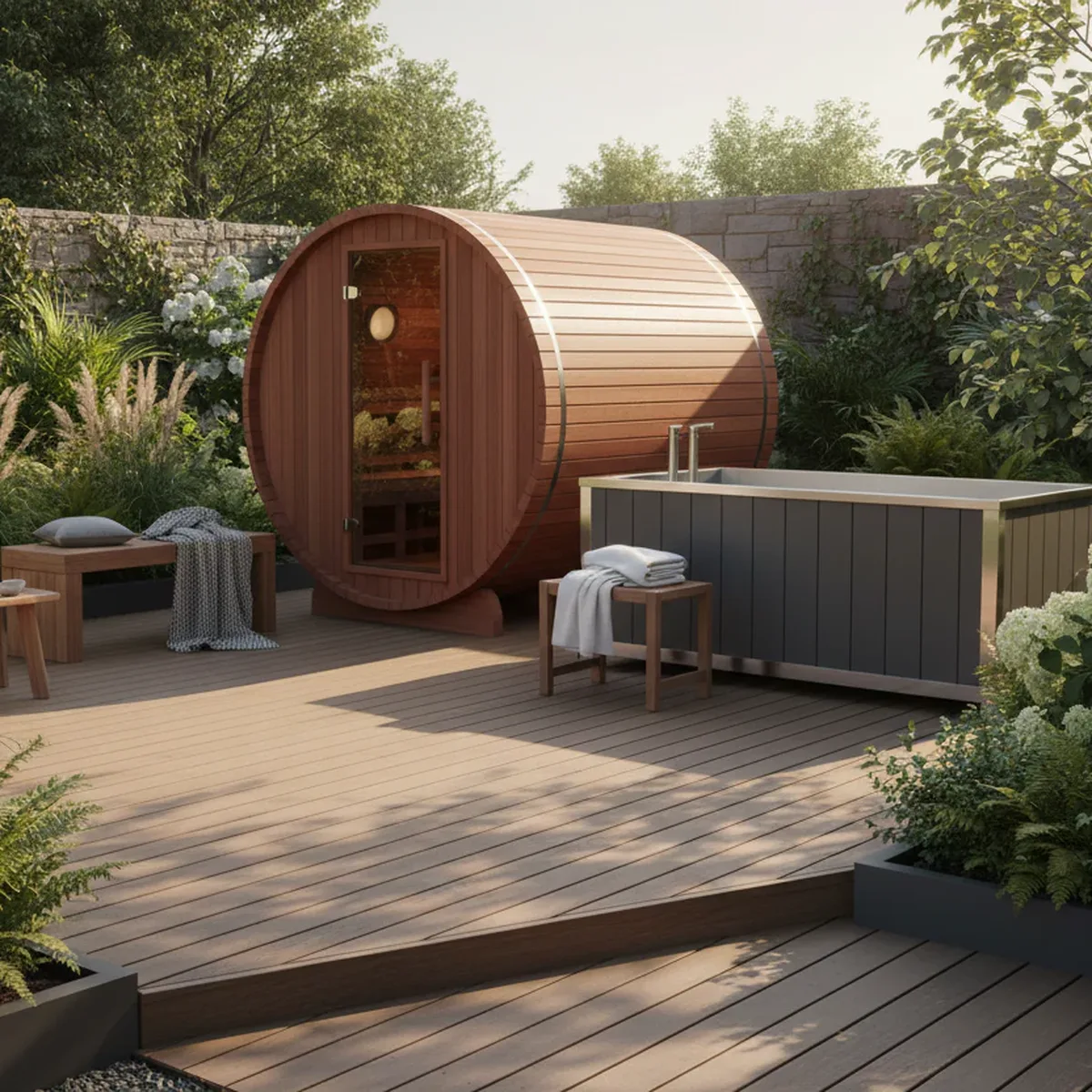
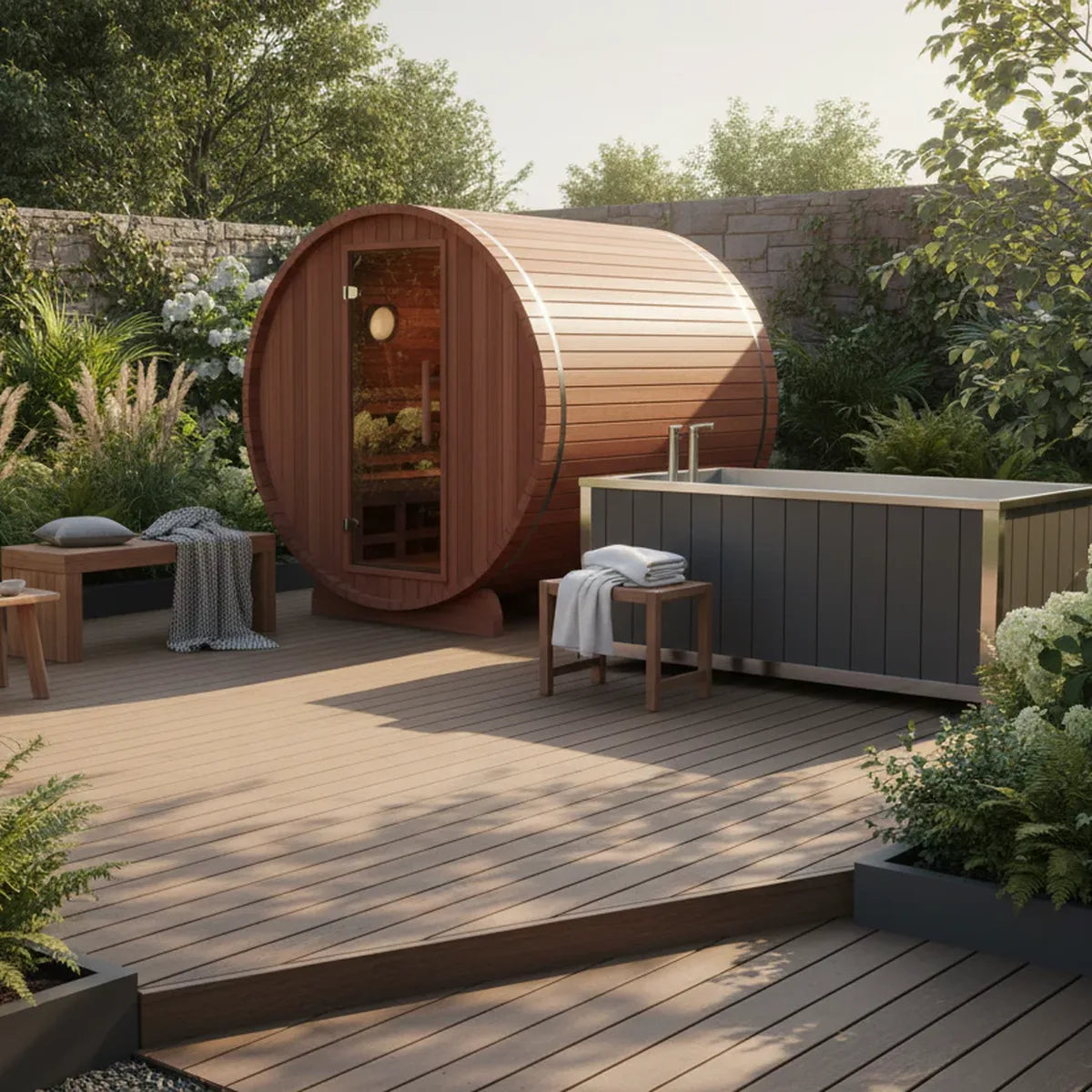
Contrast therapy generally refers to alternating between heat and cold exposure as part of a structured wellness routine. At home, this may involve moving between a sauna and cold plunge, a steam shower and cool shower, or another combination of properly installed heat and cold equipment.
A home contrast therapy setup can range from a simple bathroom-based arrangement to a dedicated indoor wellness room or backyard retreat. The right design depends on your available space, preferred equipment, utilities, installation requirements, budget, and ability to maintain each product properly.
This guide explains how to compare equipment, plan the layout, prepare the space, and follow manufacturer-supported use and safety guidance.
In this article
- What Is an At-Home Contrast Therapy Setup?
- Heat Options for a Home Contrast Therapy Space
- Infrared Saunas
- Steam Showers
- Hot Tubs
- A hot tub may also be incorporated into a home wellness or backyard contrast therapy space.
- Cold Options for a Home Contrast Therapy Space
- Planning the Layout
- Create a Clear Transition Path
- Include a Rest Area
- Flooring
- Drainage
- Before purchasing:
- Plan Delivery Access
- Professional Installation
- How to Use Contrast Therapy Equipment at Home
- Avoid Extreme Settings
- Do Not Use the Equipment Alone When Assistance May Be Needed
- Contrast Therapy Safety Considerations
- Maintenance and Water Care
- Warranty Considerations
- Building Your Contrast Therapy Space Over Time
- Frequently Asked Questions
- Choosing Contrast Therapy Equipment for Your Home
What Is an At-Home Contrast Therapy Setup?
A contrast therapy setup includes access to both a controlled heat source and a controlled cold source.
Common heat options include:
• Traditional saunas
• Infrared saunas
• Combination saunas
• Steam showers
• Hot tubs
• Manufacturer-approved heated immersion systems
Common cold options include:
• Cold plunges
• Immersion tubs
• Cold-water tubs
• Cool showers
• Manufacturer-designed hot-and-cold systems
The products do not need to be physically connected. In many homes, the sauna or steam shower is placed near—but separate from—the cold plunge or immersion tub.
The goal should be a practical space that allows safe movement, straightforward equipment operation, and proper maintenance.
Heat Options for a Home Contrast Therapy Space
Traditional Saunas
Traditional saunas heat the air inside the room and may allow water to be applied to sauna stones when the heater and installation are designed for that use.
Before choosing a traditional sauna, review:
• Interior and exterior dimensions
• Heater size and electrical requirements
• Recommended room volume
• Ventilation guidance
• Required clearances
• Sauna-stone requirements
• Indoor or outdoor placement approval
• Installation instructions
• Warranty coverage
Traditional saunas can be installed indoors or outdoors when the exact model is designed for the intended environment.
Infrared Saunas
Infrared saunas use infrared heating elements rather than relying solely on high air temperatures. They are available in compact one-person models as well as larger multi-person cabins.
When comparing infrared saunas, consider:
• Seating capacity
• Exterior dimensions
• Electrical requirements
• Heater configuration
• Control options
• Interior materials
• Assembly requirements
• Floor protection
• Indoor-use limitations
• Manufacturer warranty
Do not assume that every infrared sauna is approved for outdoor use. Follow the placement instructions for the exact model.
Steam Showers
A steam shower can provide a heat option within a properly designed bathroom or wet-room environment.
Steam systems may require:
• An appropriately sized steam generator
• A fully enclosed shower area
• Water-resistant materials
• Proper ceiling design
• Plumbing and electrical work
• Drainage
• Ventilation
• Access for maintenance
• Professional installation
The generator must be correctly sized for the shower’s dimensions, materials, ceiling height, and other manufacturer-defined factors.
Hot Tubs
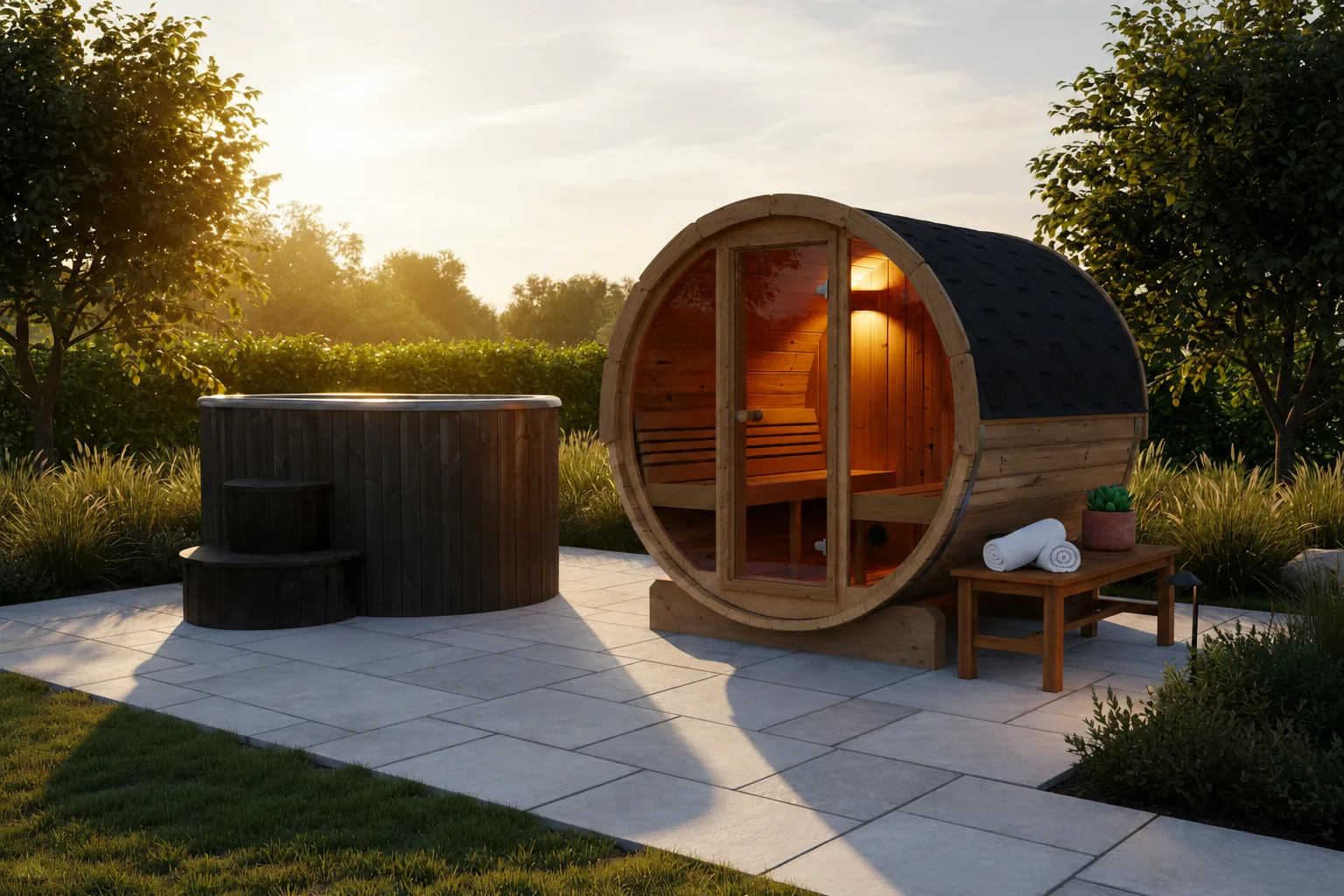
A hot tub may also be incorporated into a home wellness or backyard contrast therapy space.
Before purchasing, review:
• Seating capacity
• Filled weight
• Foundation requirements
• Electrical service
• Delivery access
• Water-care requirements
• Cover and weather protection
• Drainage planning
• Local installation requirements
• Warranty and service availability
Hot tubs should be installed on a surface and electrical system appropriate for the specific model.
Cold Options for a Home Contrast Therapy Space
Cold Plunges
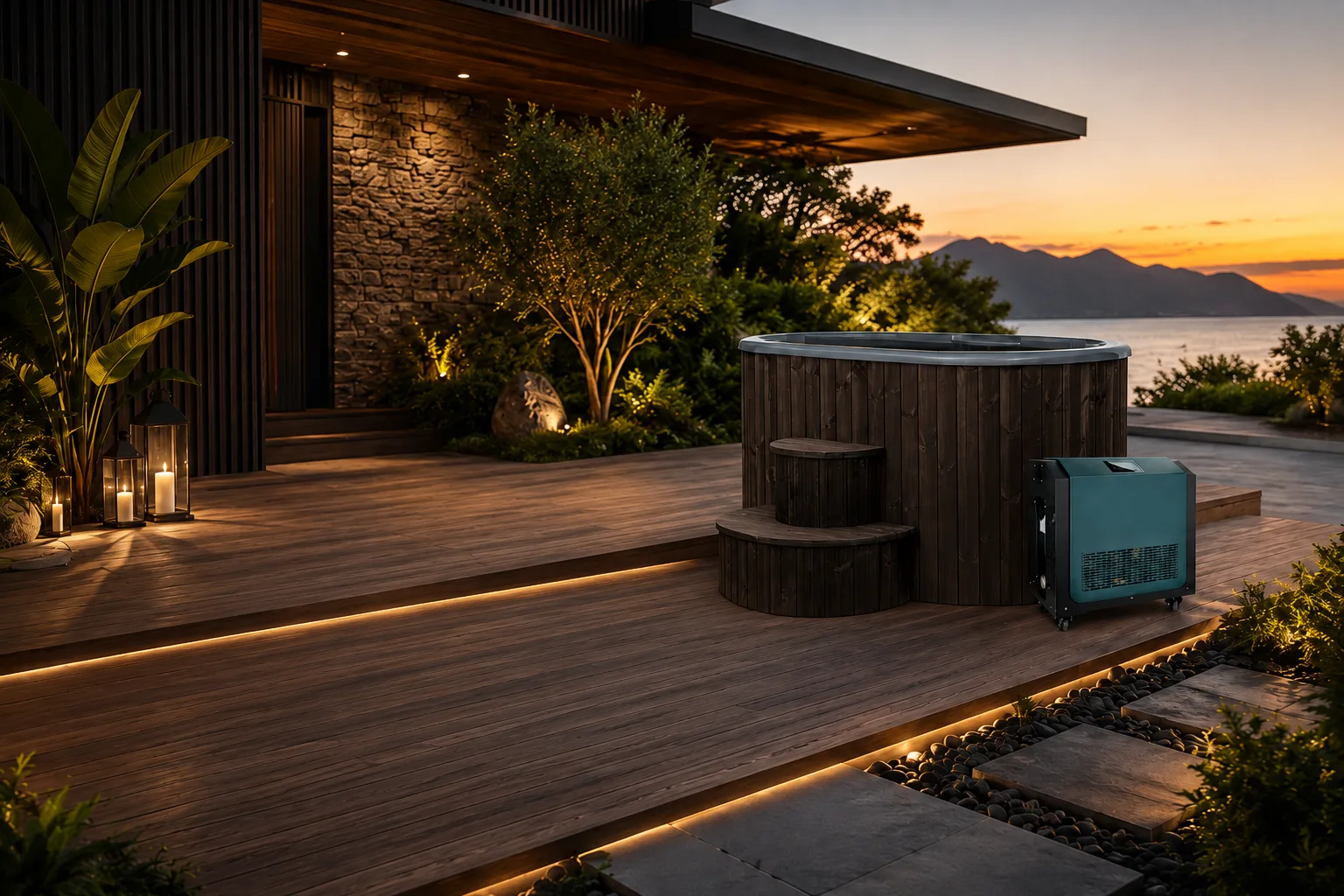
Cold plunges are available in compact, portable, self-contained, and built-in formats. Some include integrated chillers and filtration, while others require separate equipment.
Compare:
• Tub dimensions
• Water capacity
• Temperature range
• Chiller specifications
• Filtration system
• Sanitation requirements
• Electrical needs
• Drainage
• Indoor or outdoor approval
• Cover availability
• Maintenance schedule
• Warranty coverage
A plunge that works well in a garage may not be appropriate for a finished indoor room without additional flooring, drainage, moisture control, or ventilation planning.
Immersion Tubs
Immersion tubs may be designed for cold water, warm water, or both, depending on the product.
Do not assume that every immersion tub includes active temperature control. Confirm whether the system includes a chiller, heater, filtration, plumbing connections, or other required components.
Also review the manufacturer’s water-care and maintenance instructions before choosing a location.
Cool Showers
A cool shower may offer a simpler way to include a temperature transition without installing a separate plunge tub.
This option can work well in bathrooms where plumbing, drainage, moisture-resistant surfaces, and ventilation are already available.
However, a shower should still be operated according to personal comfort and appropriate professional guidance when needed. Avoid extreme temperature changes or routines copied from unrelated products or online sources.
Planning the Layout
Keep Heat and Cold Equipment Separate
A sauna, steam system, cold plunge, and other water-based equipment should each be installed according to their own instructions.
Do not place a cold plunge inside a sauna. Do not place electrical equipment in a wet area unless it is specifically designed and approved for that environment.
Allow enough space between products for safe movement, maintenance access, and equipment ventilation.
Create a Clear Transition Path
The path between hot and cold areas should be:
• Uncluttered
• Well lit
• Slip resistant
• Free of loose cords
• Wide enough for comfortable movement
• Close to towel storage or seating
• Designed to prevent water from spreading into dry areas
Avoid layouts that require users to cross stairs, uneven surfaces, sharp corners, or long outdoor paths while wet.
Include a Rest Area
A small rest or transition area can make the space more functional.
Consider including:
• A stable bench or chair
• Towel hooks or shelving
• Water access
• Soft but adequate lighting
• Non-slip flooring
• Storage for cleaning supplies
• Space to cool down comfortably
The room does not need to be large, but it should feel organized and easy to use.
Flooring, Drainage, and Moisture Control
Flooring
Areas around cold plunges, hot tubs, steam showers, and other water-based equipment should have flooring appropriate for moisture exposure.
Possible materials may include:
• Sealed concrete
• Porcelain or ceramic tile
• Natural stone approved for wet environments
• Manufacturer-approved waterproof flooring
• Slip-resistant surfaces designed for wet areas
Confirm that the floor can support the filled weight of the equipment.
Drainage
Plan how the equipment will be filled, emptied, cleaned, and serviced.
Depending on the product and location, drainage may involve:
• An existing floor drain
• A manufacturer-supplied drain hose
• A nearby approved drainage point
• Plumbing installed by a qualified professional
• Water-removal equipment permitted by the manufacturer
Do not drain chemically treated water into landscaping or storm drains without confirming local requirements.
Ventilation and Humidity
Steam systems, hot tubs, indoor plunge tubs, and wet areas can increase humidity.
Appropriate ventilation may help manage condensation and protect surrounding walls, ceilings, flooring, and furnishings. Consult qualified professionals when designing a wet room or installing equipment that may affect indoor moisture levels.
Electrical and Installation Requirements
Review Electrical Needs Early
Saunas, steam generators, chillers, hot tubs, and other wellness products may require different voltages, amperage, breaker sizes, disconnects, outlet types, or dedicated circuits.
Do not assume that equipment can be connected to an existing household outlet.
Before purchasing:
• Review the product manual
• Confirm voltage and amperage requirements
• Check plug and hardwiring requirements
• Identify whether a dedicated circuit is needed
• Confirm indoor or outdoor electrical ratings
• Review required clearances
• Consult a licensed electrician when appropriate
Avoid extension cords unless the manufacturer explicitly permits them.
Plan Delivery Access
Large wellness equipment may arrive by freight and can be heavy or oversized.
Measure:
• Doorways
• Hallways
• Staircases
• Gates
• Elevators
• Corners
• Ceiling height
• The full delivery path
Confirm whether delivery includes curbside service, liftgate service, threshold delivery, room-of-choice delivery, assembly, or installation.
Professional Installation
Qualified professionals may be needed for:
• Electrical work
• Plumbing
• Drainage
• Ventilation
• Foundations
• Deck reinforcement
• Structural changes
• Steam-room construction
• Equipment anchoring
• Local permit requirements
Follow all manufacturer instructions and applicable local codes.
How to Use Contrast Therapy Equipment at Home
Follow Each Product’s Instructions
There is no universal temperature, session length, number of transitions, or weekly schedule that applies to every person or every equipment combination.
Follow the instructions provided with each exact product.
Do not copy a routine from:
• A different sauna model
• A different cold plunge
• A professional sports facility
• A social media video
• An unrelated clinical study
• A general online protocol
The appropriate use guidance may differ by product, user, environment, and intended use.
Avoid Extreme Settings
Higher heat, colder water, longer exposure, or additional rounds do not automatically provide better results.
Use the controls within the manufacturer-supported operating range and avoid adjusting a routine solely to make it more intense.
Stop using the equipment if you feel dizzy, faint, short of breath, confused, unsteady, excessively uncomfortable, or otherwise unwell.
Do Not Use the Equipment Alone When Assistance May Be Needed
Consider whether another responsible adult should be nearby, particularly when someone is new to the equipment, has mobility limitations, or may have difficulty entering or leaving a sauna, hot tub, or plunge safely.
Never use the equipment while impaired by alcohol, recreational substances, sedating medication, or anything else that may affect judgment, balance, awareness, or temperature perception.
Contrast Therapy Safety Considerations
Heat and cold exposure may not be appropriate for everyone.
Consult a qualified healthcare professional before beginning when appropriate, particularly if you:
• Are pregnant or breastfeeding
• Take medication
• Have a medical condition
• Have concerns involving the heart, blood pressure, circulation, breathing, skin, nerves, or temperature sensitivity
• Have recently had surgery or an injury
• Have difficulty entering or leaving the equipment safely
• Are uncertain whether heat or cold exposure is appropriate for you
This is not a complete list. A qualified healthcare professional can provide guidance based on individual circumstances.
Do not use wellness equipment as a substitute for professional medical advice, diagnosis, rehabilitation, or treatment.
Maintenance and Water Care
Review Maintenance Before Purchasing
Each product has different cleaning and maintenance requirements.
These may include:
• Wiping down sauna interiors
• Inspecting heaters and controls
• Replacing filters
• Sanitizing water
• Checking water chemistry
• Flushing steam generators
• Cleaning jets or plumbing lines
• Draining and refilling tubs
• Inspecting covers and seals
• Protecting equipment from weather
• Maintaining clear ventilation areas
Choose equipment you can realistically maintain according to the manufacturer’s schedule.
Warranty Considerations
Review:
• Warranty length
• Covered parts
• Labor coverage
• Commercial versus residential exclusions
• Installation requirements
• Registration requirements
• Water-care requirements
• Outdoor-use restrictions
• Transferability
• Shipping-damage procedures
• Availability of replacement parts
Improper installation, unsuitable water conditions, unsupported outdoor placement, or failure to follow maintenance instructions may affect warranty coverage.
Building Your Contrast Therapy Space Over Time
You do not need to purchase every component at once.
Some homeowners begin with:
• A sauna and cool shower
• A cold plunge and existing hot tub
• A steam shower and immersion tub
• One primary product with space reserved for a future addition
Starting with one well-planned piece can make it easier to understand your space, utilities, maintenance needs, and preferred routine before expanding.
Choose equipment based on the product documentation, available room, installation requirements, and long-term ownership needs rather than dramatic claims or universal protocols.
Frequently Asked Questions
What is a home contrast therapy setup?
A home contrast therapy setup generally combines access to a controlled heat source and a controlled cold source. This may include a sauna, steam shower, or hot tub paired with a cold plunge, immersion tub, or cool shower.
How long should a contrast therapy session last?
There is no universal session length. Follow the instructions for each exact product and consult a qualified healthcare professional when appropriate. Do not use schedules copied from unrelated products or online sources.
What temperature should I use?
Use temperatures within the operating range and instructions supplied by the product manufacturer. Avoid assuming that one temperature recommendation is appropriate for every person, sauna, hot tub, cold plunge, or immersion tub.
How often can contrast therapy equipment be used?
Usage frequency varies by product and individual. Follow the manufacturer’s instructions and any appropriate professional guidance.
Can beginners create a home contrast therapy routine?
Beginners should review all instructions, avoid extreme settings, and make sure they can enter and leave the equipment safely. A qualified healthcare professional should be consulted when health concerns, pregnancy, medication, or uncertainty is involved.
Can I combine any sauna with any cold plunge?
Products can be placed within the same wellness space when their installation requirements are compatible, but each piece should be treated as separate equipment. Confirm electrical, drainage, flooring, clearance, ventilation, and environmental requirements for each model.
Can Prime Regeneration help me compare equipment?
Yes. Prime Regeneration offers premium saunas, cold plunges, immersion tubs, steam shower systems, hot tubs, sauna heaters, and related home wellness equipment.
Our team can help customers compare available specifications, dimensions, electrical requirements, delivery information, warranty coverage, installation considerations, and manufacturer-supported guidance.
Choosing Contrast Therapy Equipment for Your Home
The right home contrast therapy setup depends on your space, preferred equipment, utilities, installation needs, maintenance expectations, and comfort level.
Before purchasing, compare:
• Product dimensions
• Indoor or outdoor approval
• Electrical requirements
• Plumbing and drainage
• Ventilation
• Flooring and structural support
• Delivery access
• Controls
• Maintenance
• Warranty protection
• Manufacturer instructions
Prime Regeneration offers premium home wellness products from established manufacturers and trusted supplier partners. Explore available saunas, cold plunges, immersion tubs, steam shower systems, hot tubs, and related equipment to begin planning a setup that fits your home.
Shop Contrast Therapy Equipment at Prime Regeneration
Important Notice
This article is provided for general educational purposes and is not medical advice. Heat and cold exposure may not be appropriate for everyone.
Follow the instructions supplied with each exact product. Consult a qualified healthcare professional regarding pregnancy, breastfeeding, medications, medical conditions, recent surgery or injury, temperature sensitivity, mobility concerns, or other health questions.