
Article: Hot Cold Contrast Therapy at Home: Beginner Setup & Safety Guide
Hot Cold Contrast Therapy at Home: Beginner Setup & Safety Guide

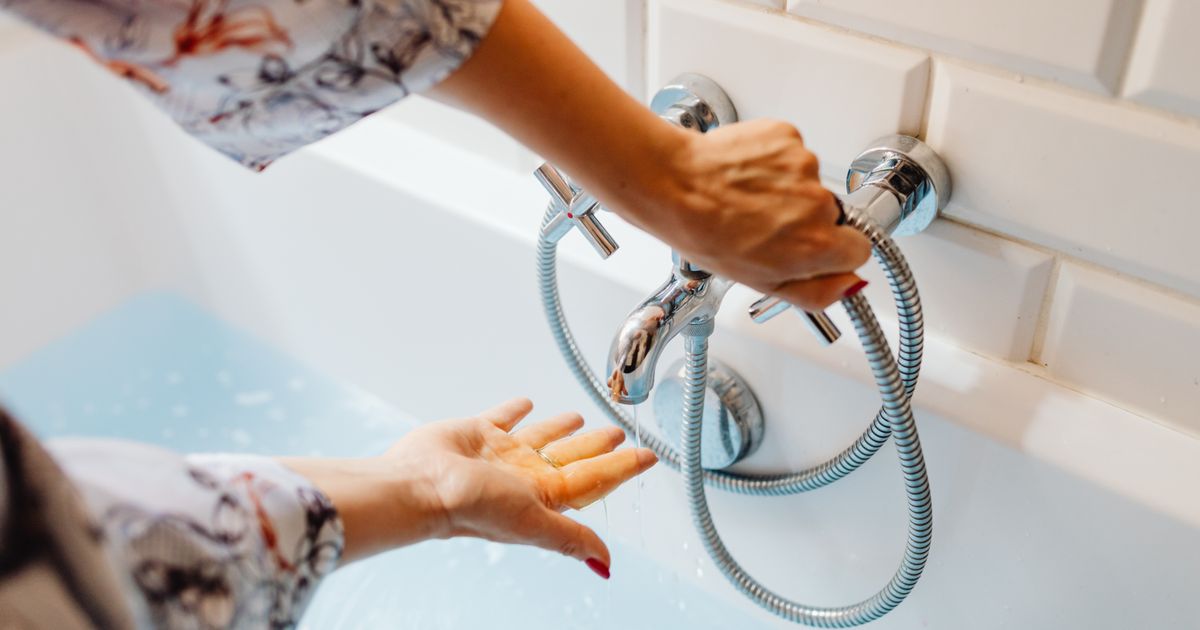
Hot cold contrast therapy involves alternating between hot and cold water immersion. Heat causes blood vessels to widen (vasodilation), while cold causes them to narrow (vasoconstriction). This cycling effect engages your cardiovascular system in a deliberate way. Contrast therapy is one approach among many recovery methods available.
If you're thinking about adding this to your home routine, you have several options available. You don't need expensive equipment to get started, though premium contrast therapy setups offer convenience and temperature control. Let's break down how to use it properly, when to consider it, and what safety rules you need to follow.
In this article
- How Hot Cold Contrast Therapy Works
- The Proper Technique: Step-by-Step
- Safety First: Who Should NOT Use Contrast Therapy
- Temperature Guidelines and Timing
- Setting Up Contrast Therapy at Home
- What to Expect: Realistic Outcomes
- Common Mistakes to Avoid
- Contrast Therapy vs. Other Recovery Methods
- Building Your Home Wellness Space
- Frequently Asked Questions
How Hot Cold Contrast Therapy Works
Contrast therapy involves cycling between heat and cold exposure. When you expose your body to heat, blood vessels dilate and blood flow increases. Then you switch to cold, which causes the opposite effect: vasoconstriction narrows those vessels. When you cycle back to heat, the vessels dilate again. This repeated cycling is what distinguishes contrast therapy from using heat or cold alone.
The contrast effect engages your cardiovascular system in a deliberate way. That said, this is not a substitute for medical treatment, and anyone with existing heart conditions or high blood pressure should consult a healthcare provider before starting contrast therapy.
The Proper Technique: Step-by-Step
Following proper technique matters for safety. Here's a standard protocol:
- Start with heat: Immerse yourself in hot water (around 98-104°F) for 3 to 4 minutes. Your body acclimates gradually.
- Switch to cold: Move to cold water (around 50-59°F) for 1 minute, or as long as you can comfortably tolerate. Do not force yourself past your limit.
- Repeat the cycle: Return to heat for 3 to 4 minutes, then back to cold for 1 minute. Complete 3 to 4 full cycles.
- Total session time: Plan for about 20 minutes total, including transitions.
A few practical tips: start conservatively if you're new to this. You can begin with a 2-minute hot phase and 30-second cold phase if needed. Your tolerance may build over time. Gradually extend the cold phase as your body adapts. Never rush the transitions, and always finish on the warm side.
Safety First: Who Should NOT Use Contrast Therapy
Contrast therapy is not appropriate for everyone. Do not use hot cold contrast therapy if you have:
- Open wounds or active skin infections
- Exposed hardware like k-wires from recent surgery
- Diagnosed cardiac arrhythmias or heart conditions
- High blood pressure (uncontrolled)
- Severe nerve damage or reduced temperature sensation
- Pregnancy
- Active inflammation or acute injury
The primary physical risks include skin damage from improper water temperatures. If your water is too hot, you risk burns. If you stay in cold water too long, you risk excessive cold exposure. There is also a documented risk of heart arrhythmia if you have an underlying cardiac condition. This is why medical clearance matters, especially if you're over 40 or have any family history of heart issues.
Bottom line: Talk to your doctor before you start, particularly if you have any existing health conditions, take medications that affect heart rate, or have never done contrast therapy before.
Temperature Guidelines and Timing
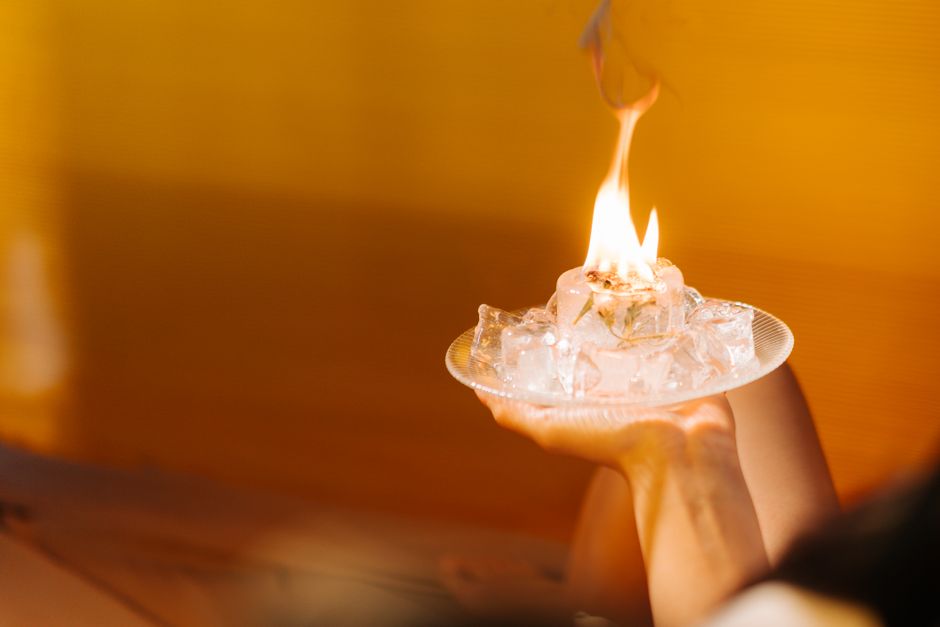
Water temperature is important for safety. Too hot and you risk burns. Too cold and you risk excessive cold exposure.
Hot phase: 98-104°F (37-40°C). This range is warm but not scalding. You should be able to stay submerged without immediate discomfort after 10-15 seconds. If you need to pull out immediately, it's too hot.
Cold phase: 50-59°F (10-15°C). This is genuinely cold. Your breath might catch for the first few seconds. If you cannot stay in for at least 30 seconds, the cold may be too extreme for you at this time.
Use a waterproof thermometer if you're setting this up at home. Many premium immersion tubs and cold plunge tubs come with temperature controls built in, which removes guesswork.
Setting Up Contrast Therapy at Home
You have several options, depending on your budget and space. The simplest is alternating between a hot shower and a cold shower, though temperature control is less precise and water usage is higher.
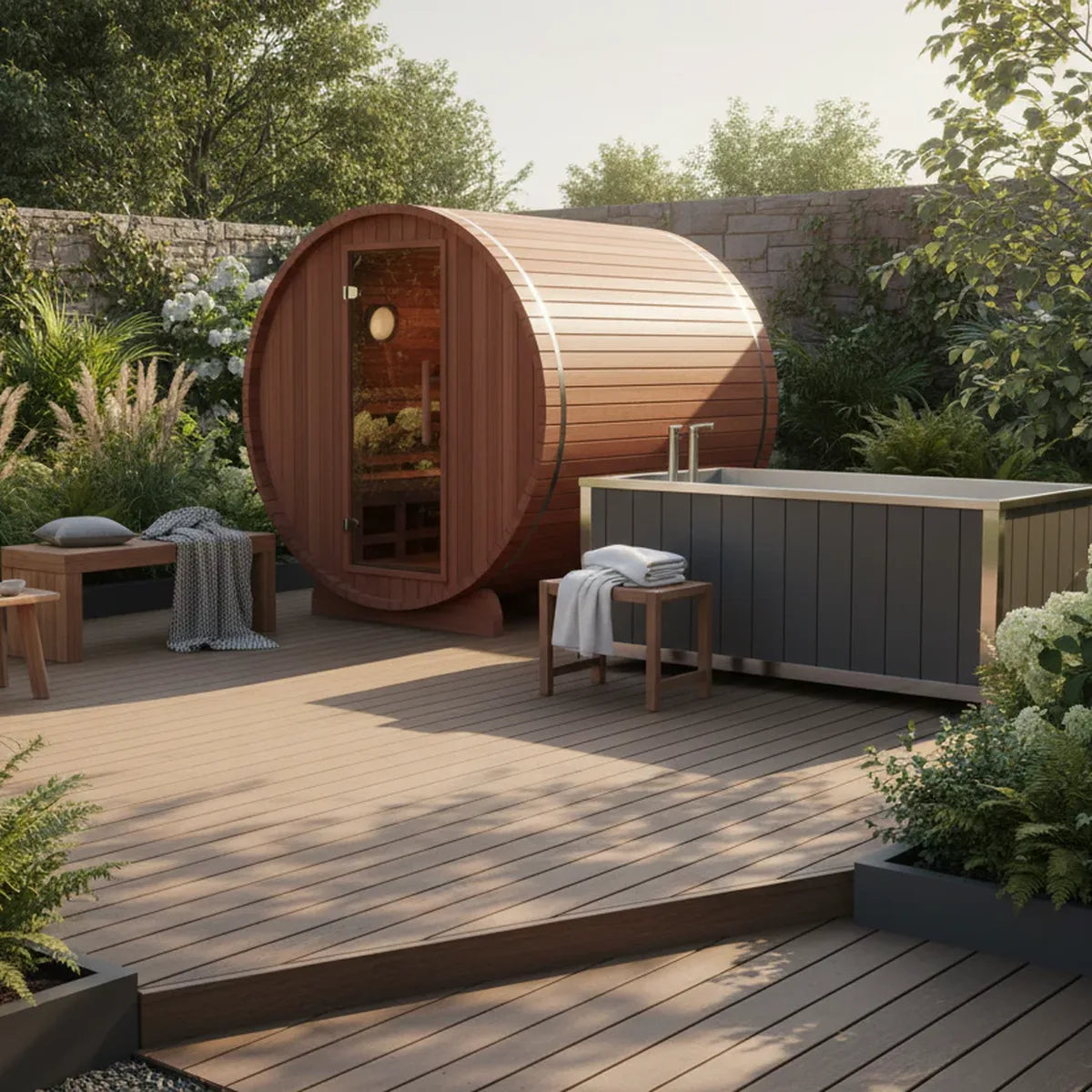
A better setup uses two separate tubs or basins. Fill one with hot water and one with cold. This lets you move between them quickly and maintain consistent temperatures throughout your session. If you want a more convenient, reliable experience, Prime Regeneration offers premium wellness equipment designed for home recovery spaces, including dedicated systems that manage both temperature and timing.
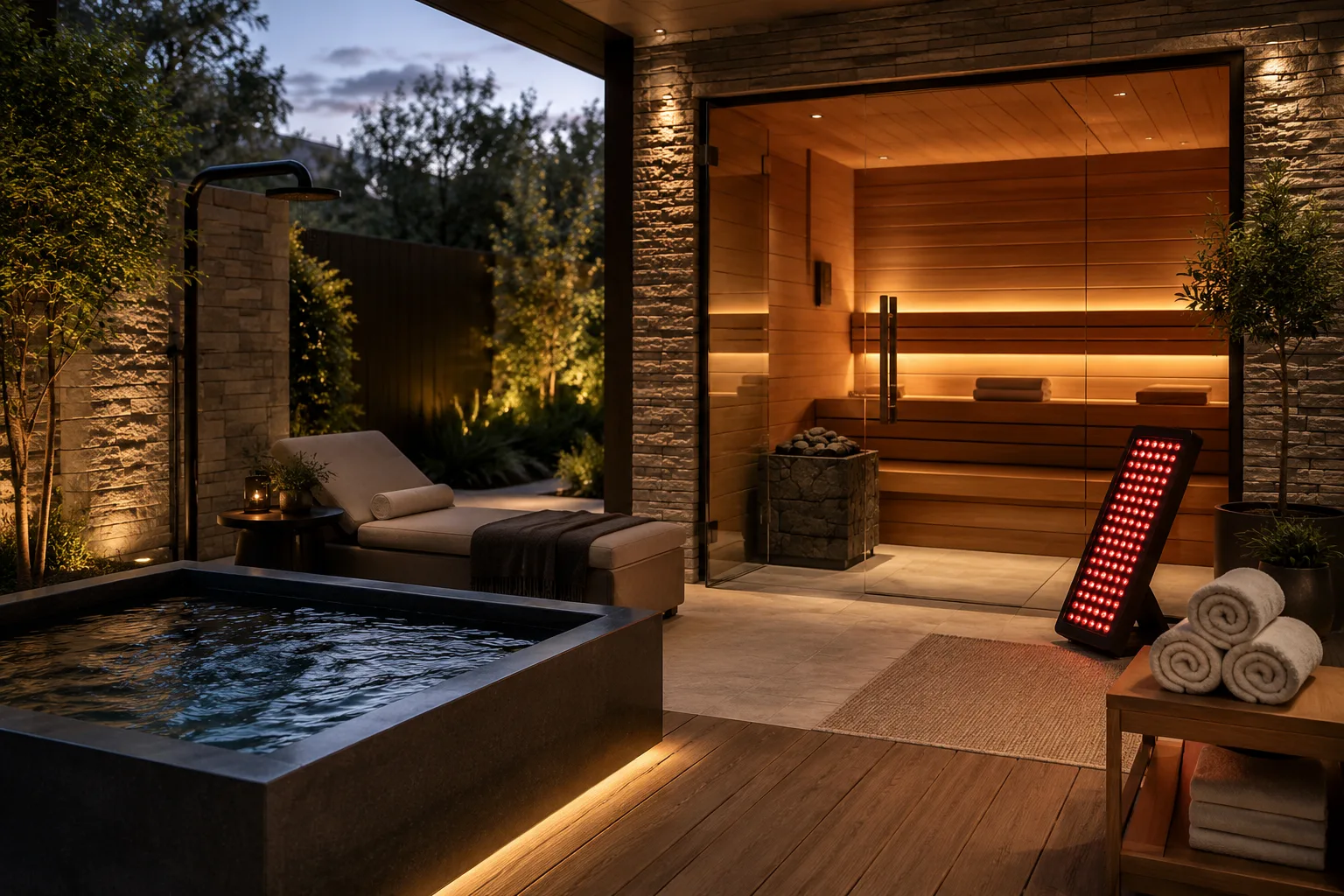
For a comprehensive setup, consider pairing an infrared sauna or hot tub with a cold plunge. This creates a complete contrast therapy environment in your backyard or recovery room. The investment is substantial, but if you're interested in home recovery equipment, you're building a dedicated space.
What to Expect: Realistic Outcomes
Contrast therapy creates noticeable physical sensations. Your skin will feel tingly and flushed afterward. Your heart rate will increase during the hot phases. These are normal physiological responses to temperature changes.
Individual responses to contrast therapy vary considerably. What works for one person may feel different for another. Contrast therapy is one tool among many wellness approaches. It pairs with proper sleep, nutrition, movement, and stress management. If you're recovering from an injury or managing a specific condition, check in regularly with your healthcare provider about whether contrast therapy remains appropriate for you.
Common Mistakes to Avoid

People new to contrast therapy often make the same errors. Learn from them:
- Water that's too extreme: Thinking more intense means better results. Stick to the recommended temperature ranges.
- Staying in cold too long: Trying to extend your tolerance beyond comfort. Start with 30 seconds and adjust gradually. One minute is a reasonable duration.
- Skipping the warm finish: Always end on the hot phase. Finishing on cold leaves your system in a different state than finishing warm.
- Ignoring medical contraindications: The biggest one. Assuming you're fine when you haven't checked with a doctor. Do not guess.
Contrast Therapy vs. Other Recovery Methods
How does contrast therapy compare to other popular approaches? Here's an overview:
Contrast therapy vs. infrared sauna: An infrared sauna uses heat exposure. Contrast therapy cycles between heat and cold. Infrared saunas provide sustained heat; contrast therapy is more dynamic. Many people use both as separate practices.
Contrast therapy vs. ice baths alone: Ice baths provide cold exposure only. Contrast therapy alternates between hot and cold. They are different approaches to temperature exposure.
Contrast therapy vs. red light therapy: Red light therapy uses specific light wavelengths. Contrast therapy uses temperature cycling. They operate through different mechanisms and are separate practices.
Building Your Home Wellness Space
If contrast therapy interests you, you may be thinking about creating a dedicated recovery zone at home. A thoughtfully designed wellness space can support consistent use.
Start small if needed. You don't need everything at once. A good progression looks like: hot tub or heated immersion setup first, then add cold plunge capability, then expand with infrared sauna, red light therapy, or massage equipment as budget allows. The key is creating a space where you can use your equipment consistently.
If you're ready to invest in premium equipment that simplifies temperature control and removes the DIY hassle, Prime Regeneration offers high-end wellness products. Our team can help you explore equipment options that fit your layout and budget.
Frequently Asked Questions
Can I do contrast therapy every day?
How long before I notice effects from contrast therapy?
Individual timelines vary widely. Some people notice changes within a few sessions. Others need 4-6 weeks of consistent practice. The key is consistency. Stick with it for at least a month before deciding whether it's right for you.
Is contrast therapy appropriate during pregnancy?
Pregnant individuals should not use contrast therapy without explicit approval from their OB-GYN. Always get medical clearance before starting any new recovery protocol during pregnancy.
What should I do if I feel dizzy or lightheaded during contrast therapy?
Stop immediately and get out of the water. Dizziness signals that your body is responding intensely to the temperature changes. This might mean your water temperatures are too extreme, your cycle is too long, or you're doing it too frequently. Next time, start more conservatively: shorter hot and cold phases, fewer cycles, lower temperature contrast. If dizziness persists, consult your doctor before attempting again.
,%20while%20cold%20causes%20them%20to%20narrow%20(v...)